
Roofing
Why Two Roofs on the Same Street Cost Different Money
Two similar Connecticut houses can get very different roof prices. Squares, pitch, layers, valleys, access and deck condition explain most of the gap.
Read the article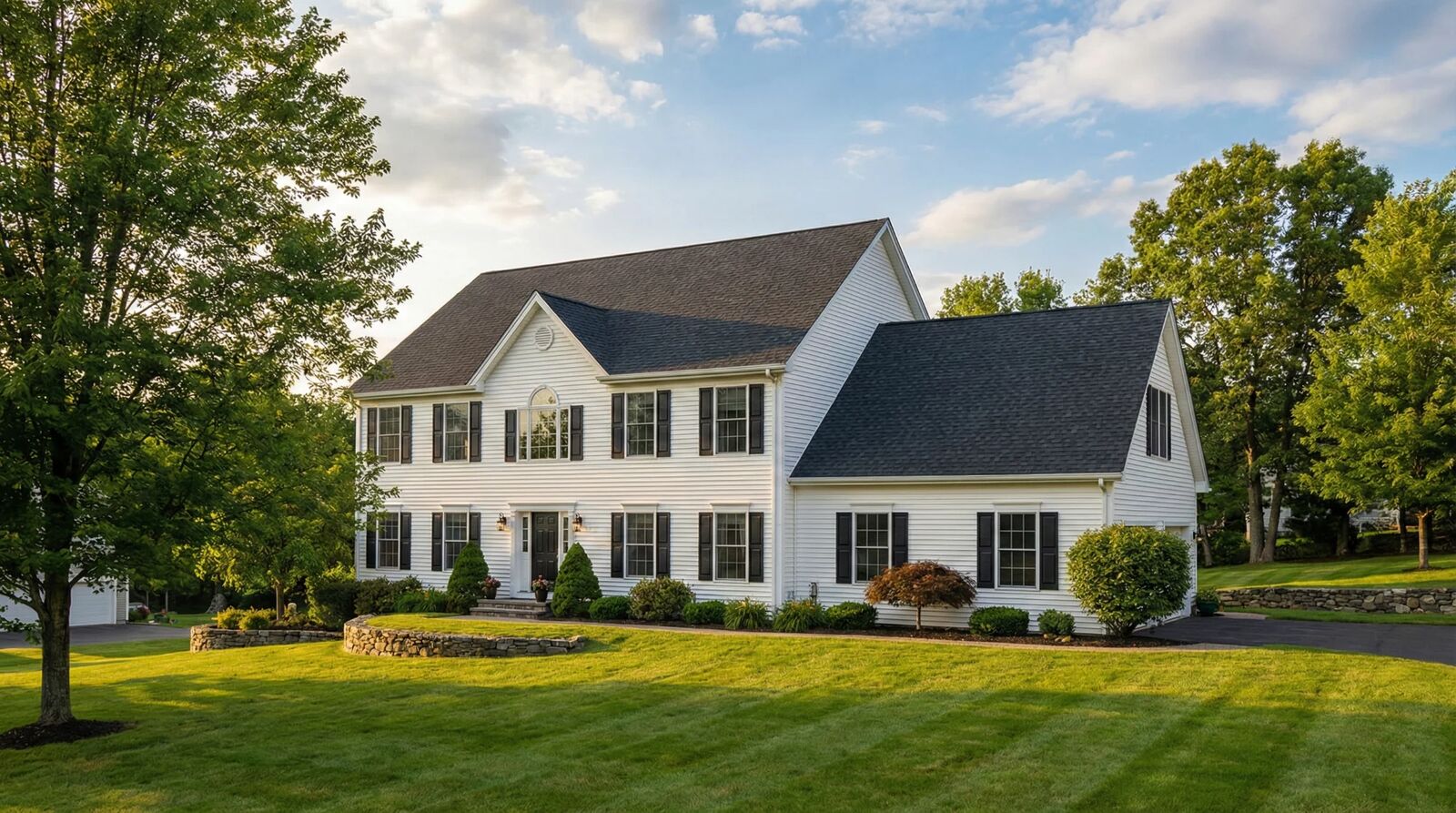
Straight answers about roofs, siding and windows on Connecticut houses — what the state building code actually requires, what jobs cost, and how to tell a good quote from a bad one.
Two similar Connecticut houses can get very different roof prices. Squares, pitch, layers, valleys, access and deck condition explain most of the gap.
Read the articleAfter wind or hail, document the damage from the ground, keep receipts for temporary repairs, and get the roof assessed. The first steps for Connecticut homeowners.
Three roofing estimates only compare if the scope matches. How to line up specification, registration, insurance, permit responsibility and hidden damage terms.
Connecticut requires home improvement contractors to register with the state. Here is what that registration covers, what it does not, and what to verify.
Water first. An active roof leak outranks appearance every time. Here is which Connecticut exterior projects genuinely save money bundled and which do not.
Condensation on the room side of the glass is a humidity problem. Fog trapped between the panes is a failed insulated glass seal, and wiping will never clear it.
Insert windows keep your trim and cost less but shrink the glass. Full-frame replacement costs more, restores the full opening, and exposes what is behind.
Vinyl siding panel thickness runs from about 0.040 to 0.055 inch, and the gauge changes rigidity, lock strength and price. Here is what it buys you in Connecticut.
Siding sheds most water, not all of it. The house wrap, lapping direction, window flashing and kickout flashing behind it are what keep a Connecticut wall dry.
Cedar shake runs $20,000 to $50,000 or more in Connecticut, lasts 30 to 40 years, and needs real maintenance. Here is when asphalt is the better buy instead.
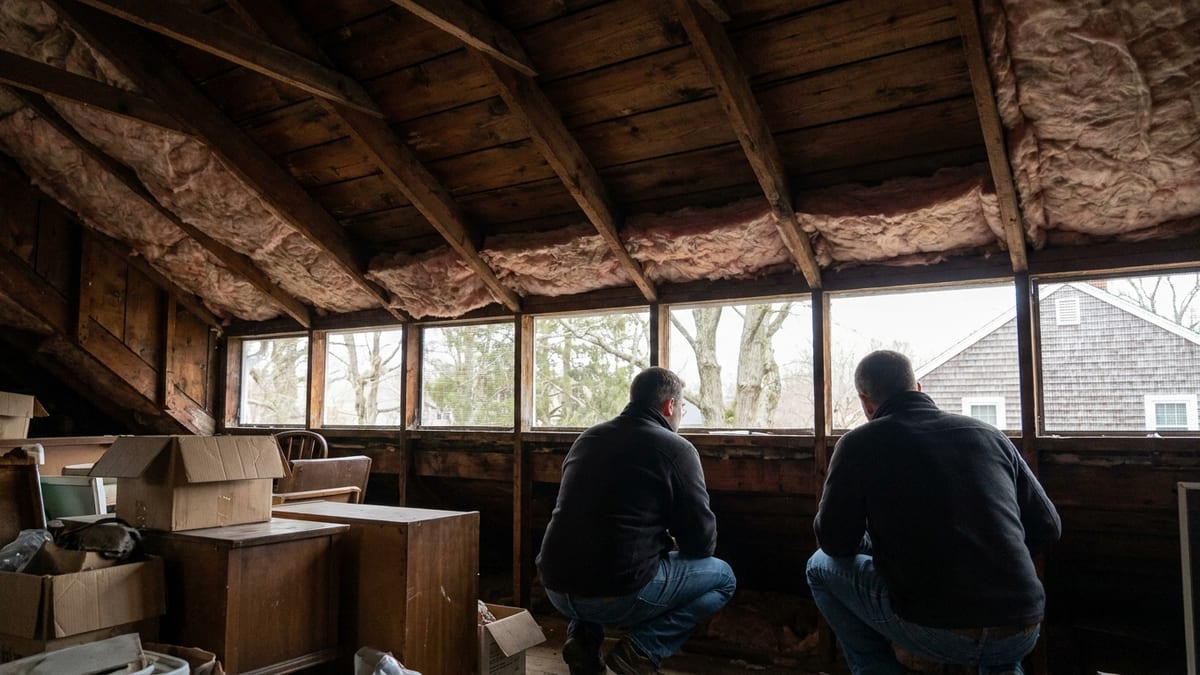
Intake at the soffit, exhaust at the ridge. When insulation blocks the intake, a hot attic cooks shingles from below and a new roof fails on the same schedule.
Two roofing prices are only comparable when both quotes specify the same work. Here is every line a Connecticut roofing quote should contain, and why.
U-factor and SHGC decide whether a replacement window suits our climate. Connecticut needs 0.22 or lower and 0.17 or higher, and one of those is a minimum.
Ice dams push water backward under shingles, which only shed water that keeps moving. Here is what ice and water shield covers, and why attic work is the real fix.
Faded siding is cosmetic. Soft sheathing, interior stains and gaps at the trim are not. Here is how to tell which problem you actually have on a Connecticut home.
Fiber cement and vinyl fail in different ways and cost very different money. An honest comparison for Connecticut houses, including when vinyl is the better buy.
Vinyl runs about $8,000 to $35,000 and fiber cement $18,000 to $80,000 in Connecticut. Here is what sets your position in those ranges, and what a quote should say.
Not every leak means a new roof, and not every intact roof is fine. Here are the signals that decide it, and the ones contractors use to sell you the bigger job.
Yes, in every town we serve. Here is who pulls it, what gets inspected, and why siding and window replacements usually work differently from roofing.
Connecticut assigns every town a design wind speed and a ground snow load. Those two figures decide how your roof must be fastened and built. Here is yours.
Connecticut roof replacement runs about $8,000 to $30,000 for asphalt on a typical home. Here is what moves the number and how to compare quotes properly.
In a Connecticut local historic district, like-for-like replacement needs no Certificate of Appropriateness. Changing the material does, and that sets the schedule.
An insert window sits inside the old frame, so the clear opening shrinks. On a bedroom already near the minimum, a tidy replacement can quietly end compliance.
Book a free on-site estimate and one of our team will look at what you actually have, measure it, and put the number in writing.