Windows
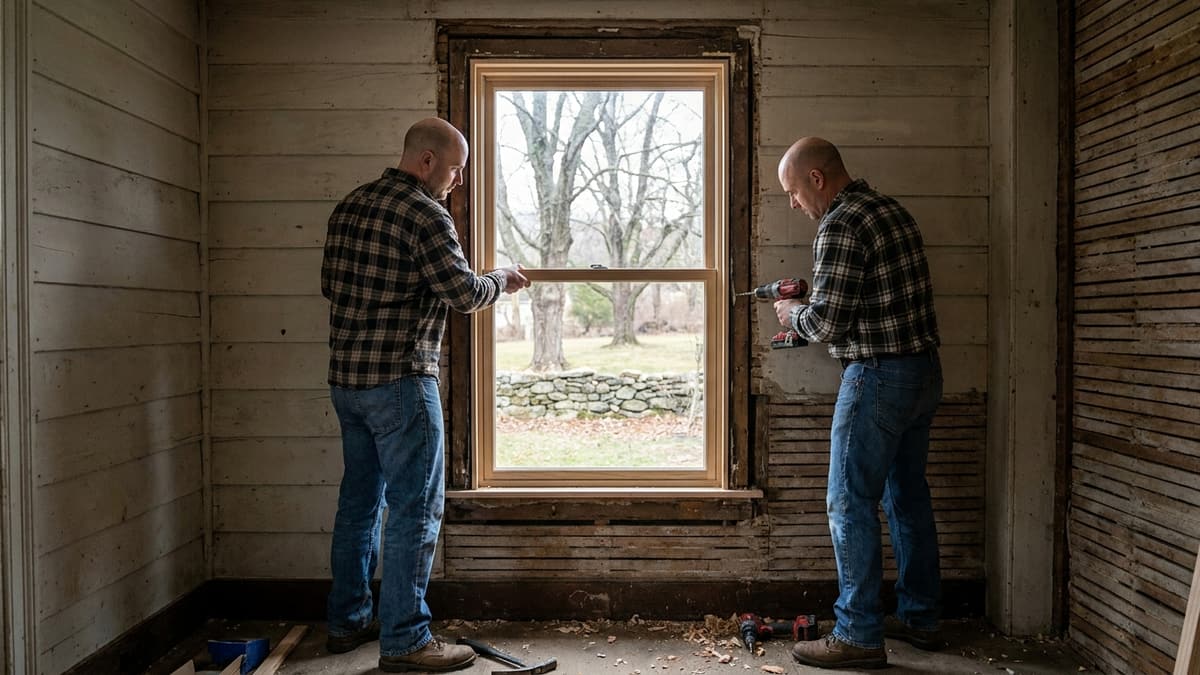
Storm Windows or Replacement Windows on an Old House?
Storm windows cost far less and keep original sash in place. Replacement windows hit the ENERGY STAR Northern targets. Here is how to choose on a Connecticut house.
Read the article
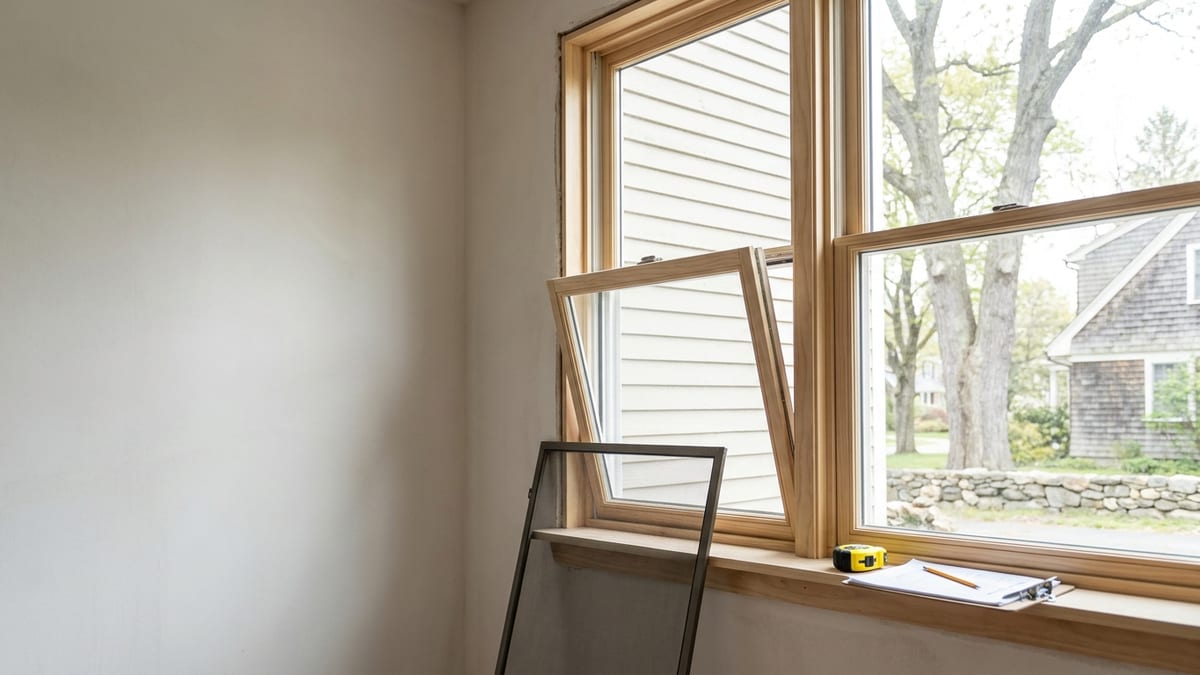
Replacement windows in Connecticut: ENERGY STAR Northern zone numbers, what installation method actually matters, and where the money goes.
Storm windows cost far less and keep original sash in place. Replacement windows hit the ENERGY STAR Northern targets. Here is how to choose on a Connecticut house.
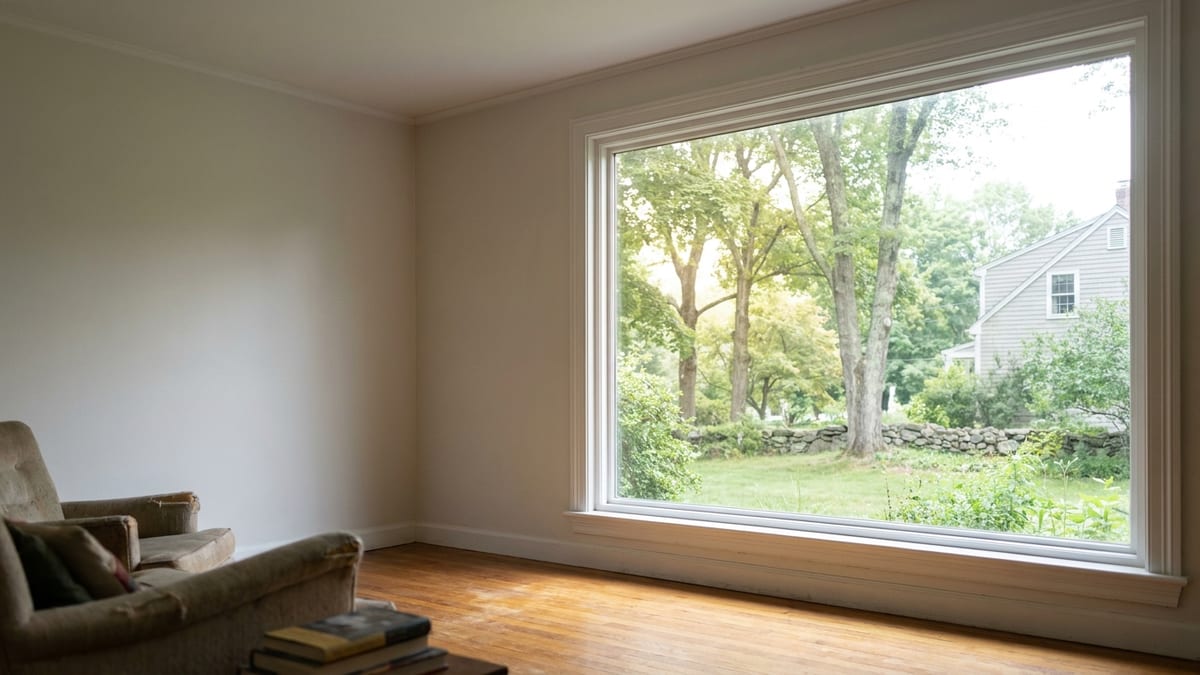
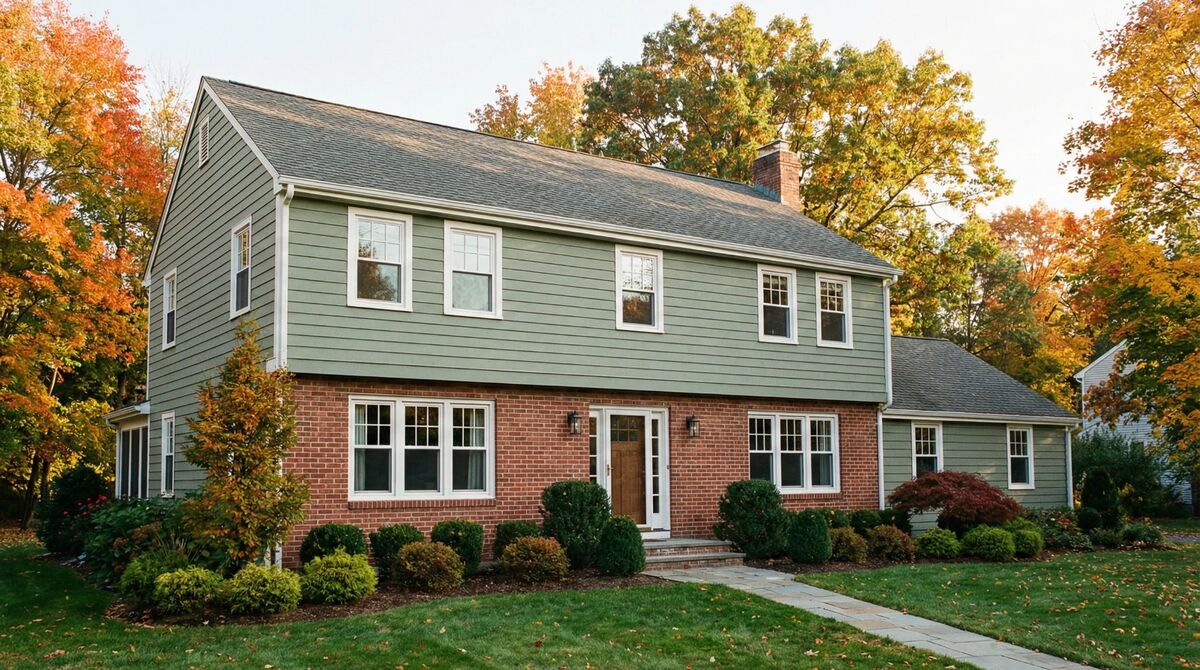
Read the articleA picture window in Connecticut generally runs $300 to $2,500 or more installed, depending on size, frame material and whether the opening needs rebuilding.
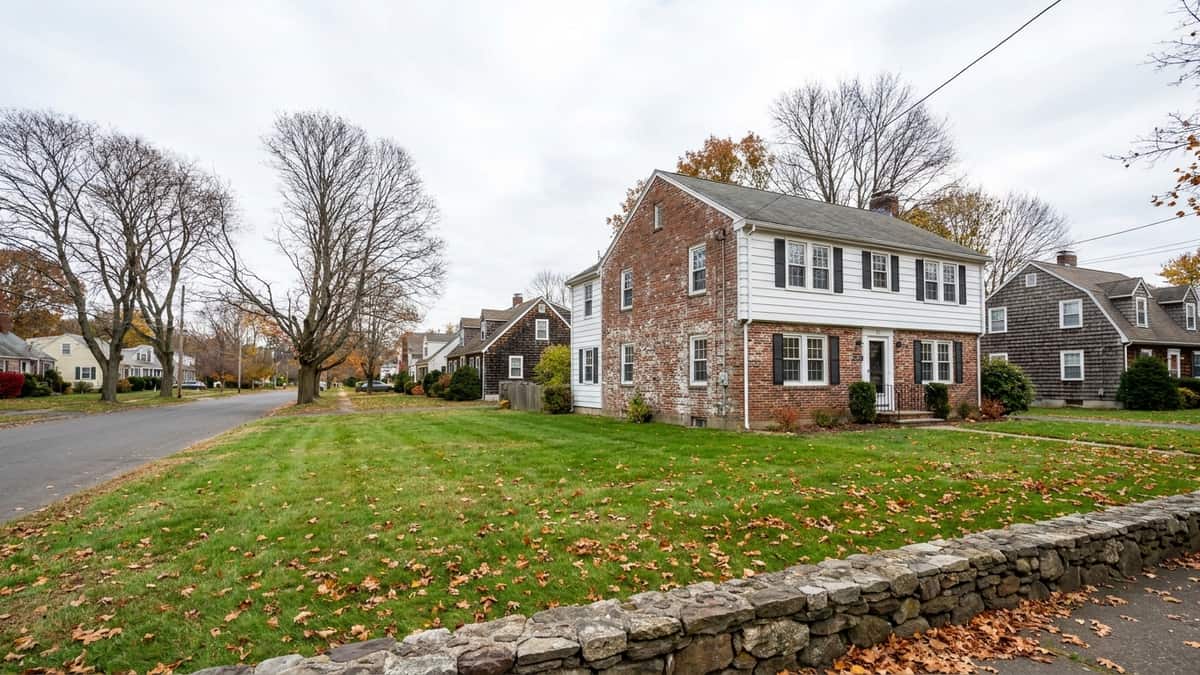
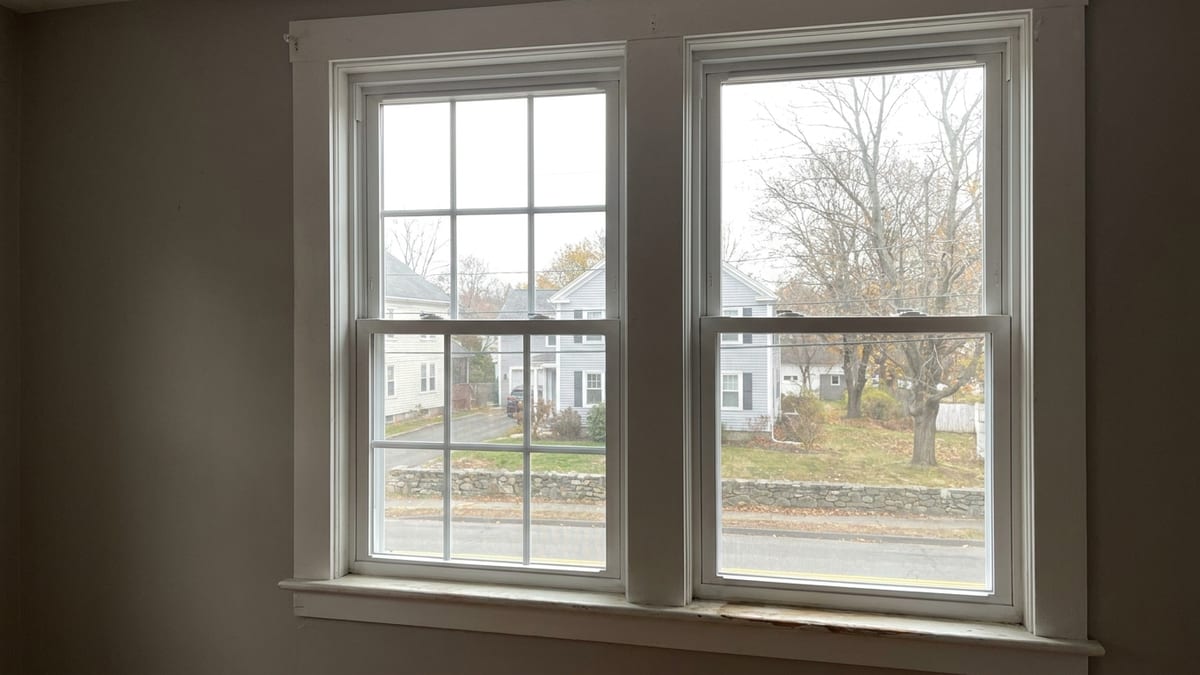
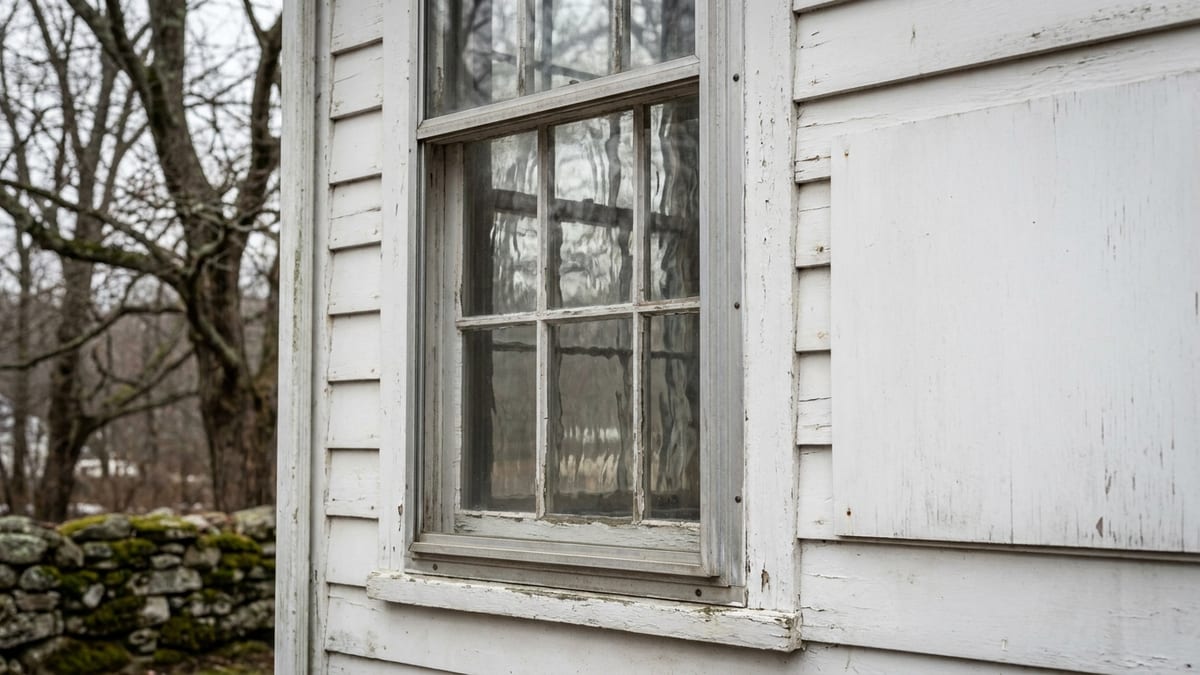
West Hartford and Hartford colonials carry original weight-and-pulley sashes, plaster returns and pre-1978 paint. Here is what that means for a window job.
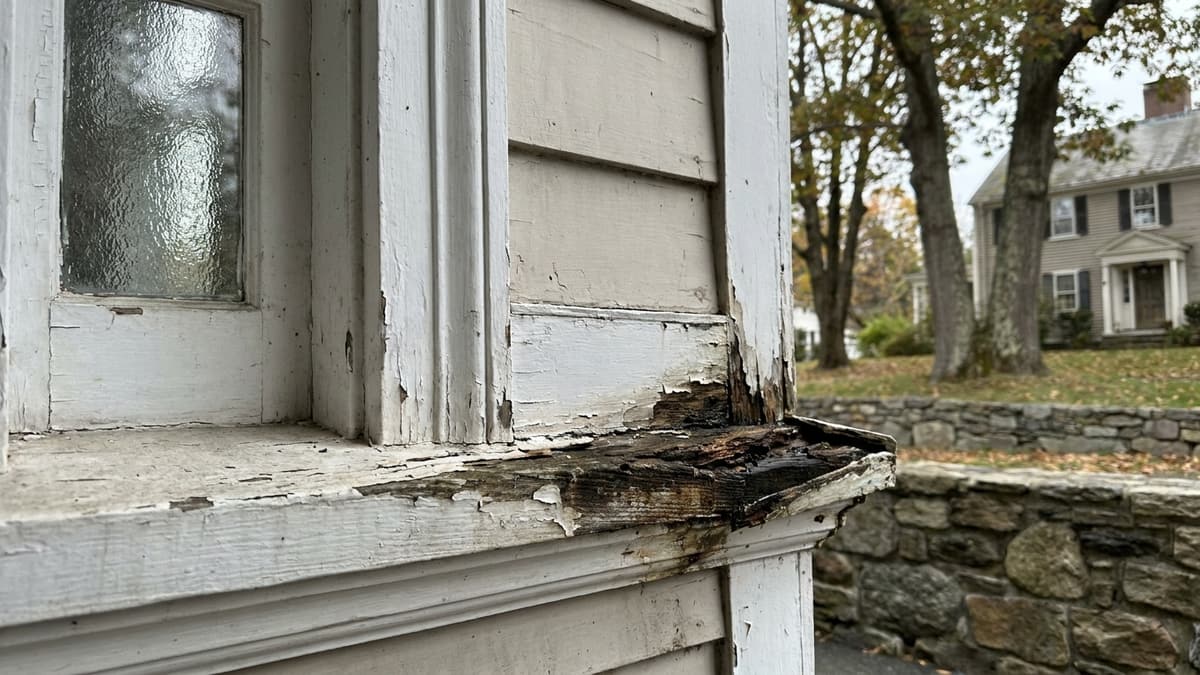
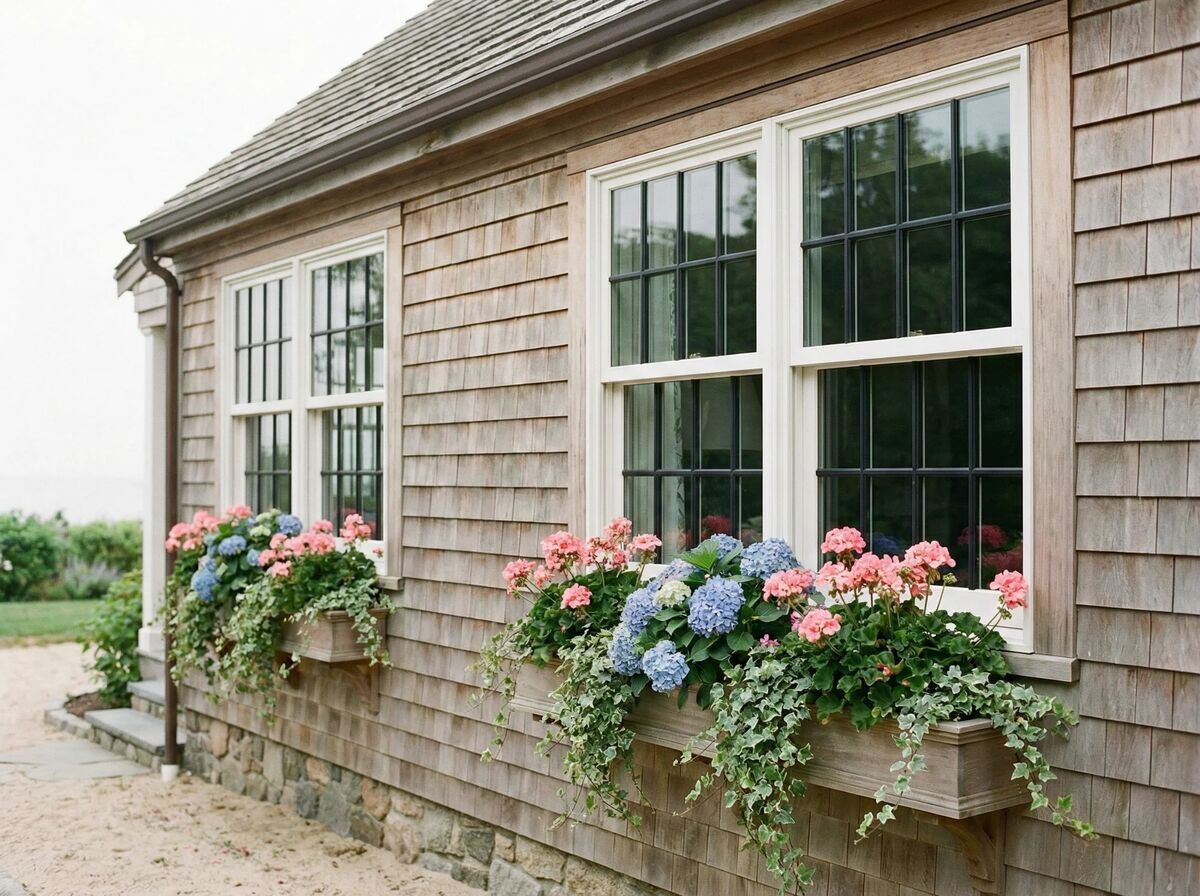
Rotted window sills and trim can often be repaired with epoxy or PVC for far less than new windows. Here is how to tell which repair the rot actually needs.
Low-E coatings and argon fill are what get a Connecticut window to a 0.22 U-factor. Here is what each one does, what it costs, and when it stops paying.
A replacement window quote should list the unit, the screen, the hardware, the trim, the disposal and the warranty. Here is what belongs on the page.
Grid patterns are an upcharge on every replacement window. Here is what grilles between the glass, simulated divided lite and true divided lite actually cost.
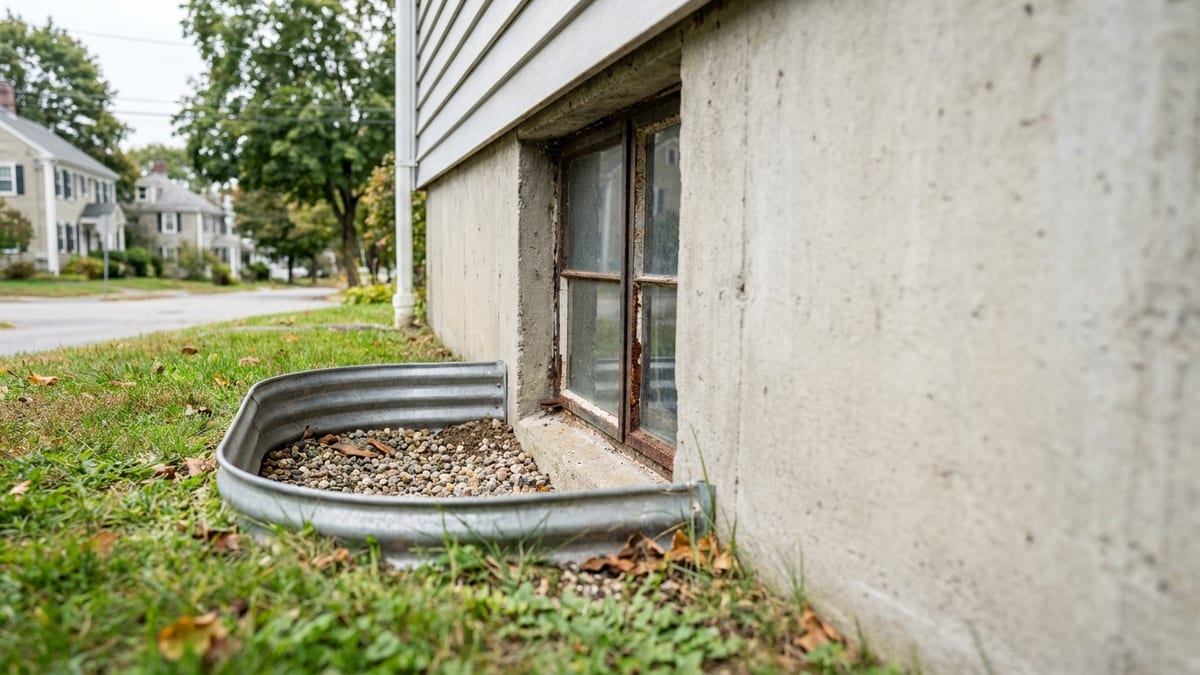
Basement window replacement in Connecticut generally runs $300 to $700 per unit installed. Here is what drives the price, plus egress and window well factors.
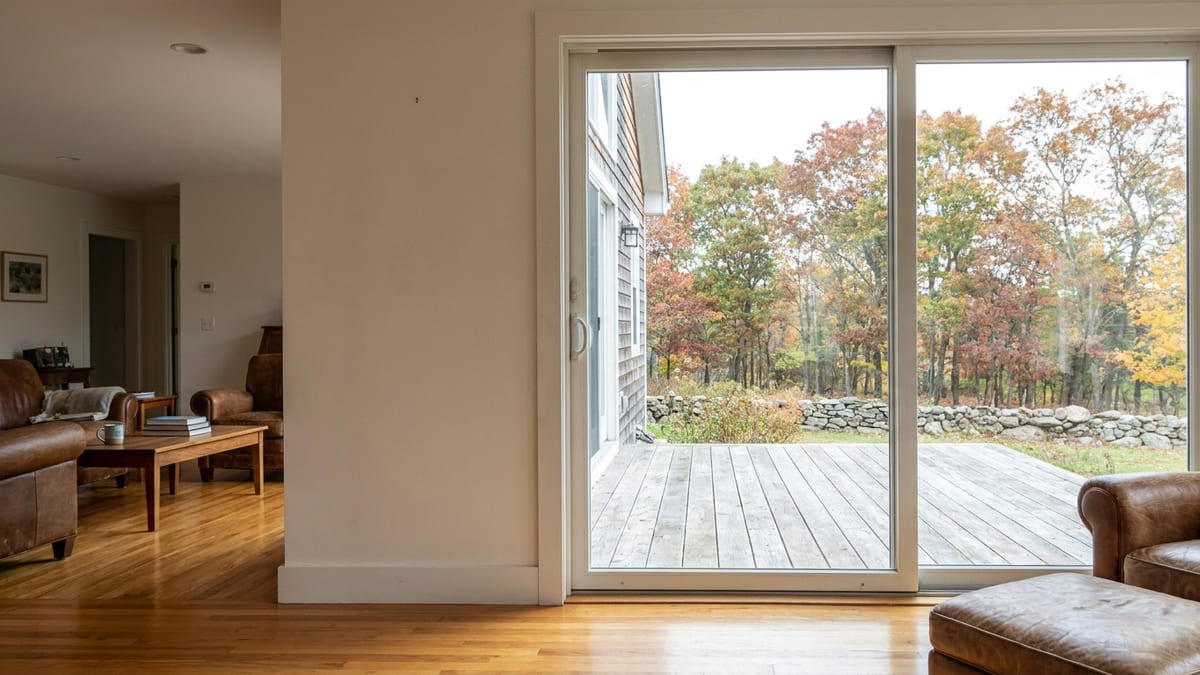
A patio door is priced as a large custom window unit in Connecticut, generally $1,000 to $2,500 or more installed. Here is what moves the number and why.
Most Connecticut window jobs take one to two days on site, but the full timeline runs three to eight weeks because custom units have to be ordered first.
Casement windows seal tighter and open fully; double-hung windows cost less and fit Connecticut's older homes. Here is how to choose room by room.
Doing all your windows at once lowers the price per unit and finishes the job. Phasing spreads the cost. Here is how to decide, and which windows to do first.
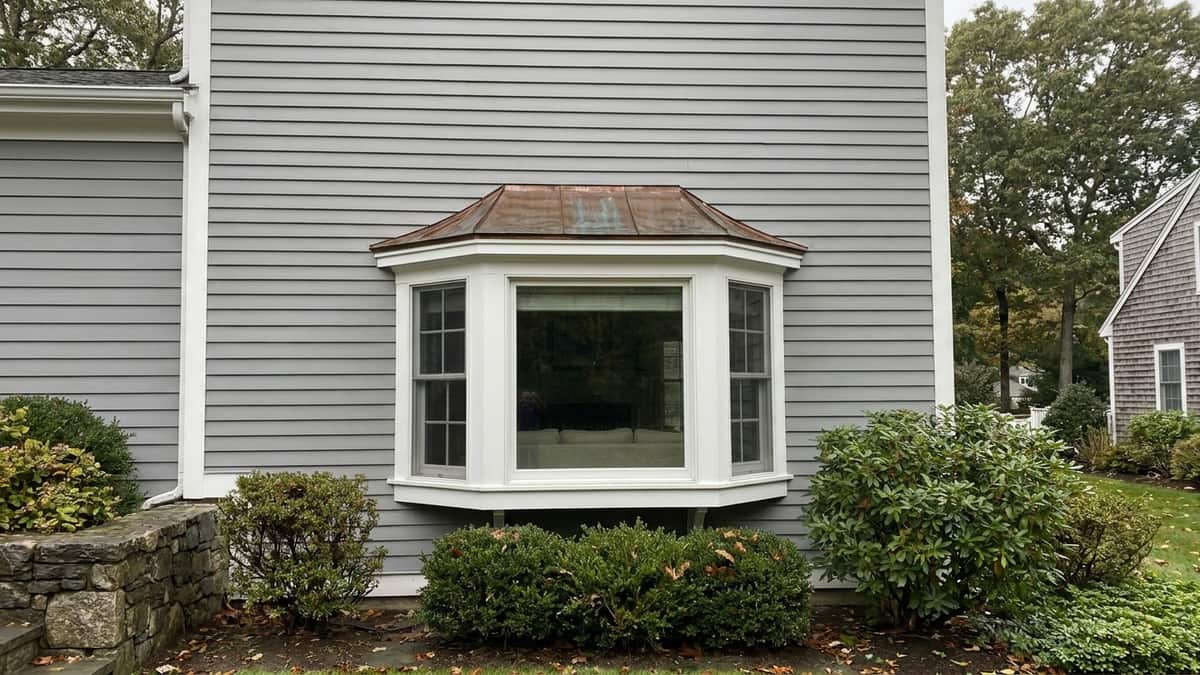
A bay or bow is a structure, not just a window. Here is how Connecticut's published per-window ranges apply, what the roof and support add, and when to skip it.
Vinyl replacement windows cost less and insulate well. Fiberglass is stronger, holds dark colors and suits wide openings. Here is how to choose in Connecticut.
Air sealing and new sash hardware fix most drafts for a fraction of replacement cost. Here is how to tell a repairable window from one that is genuinely done.
Triple-pane glass lowers U-factor and cuts noise, but costs more per window. Here is when the upgrade pays off on a Connecticut home and when double-pane wins.
Standard vinyl replacement windows in Connecticut generally run $300 to $700 installed, premium wood and fiberglass $800 to $1,500 or more. Here is why.
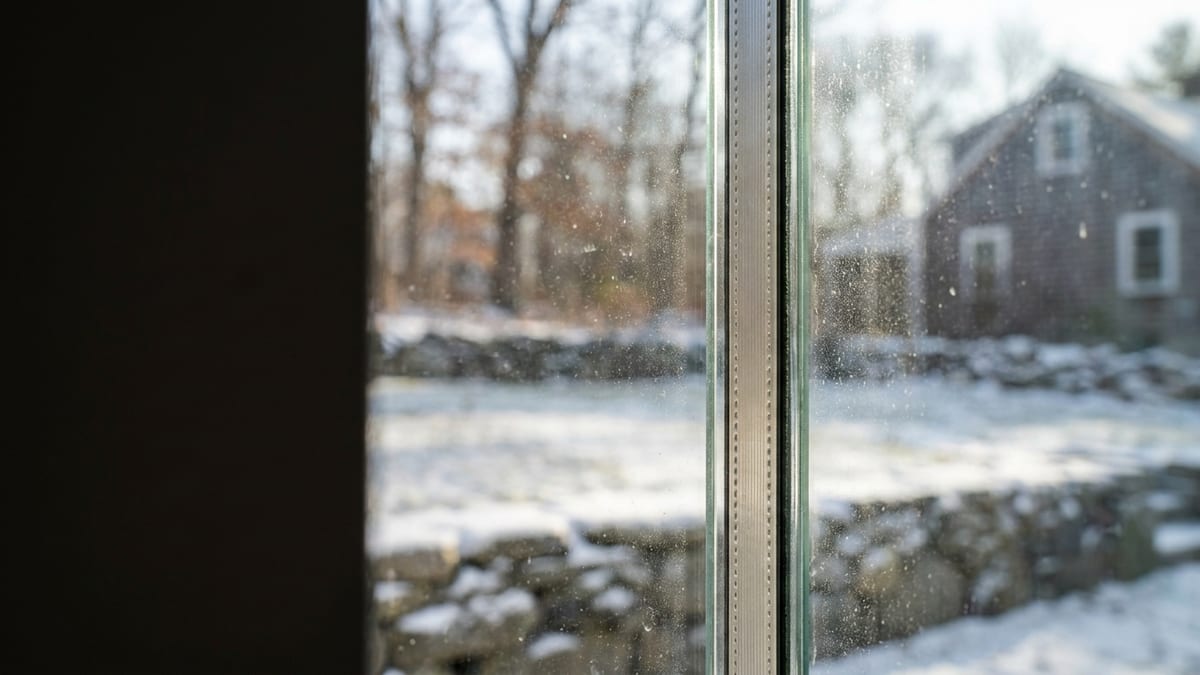
Condensation on the room side of the glass is a humidity problem. Fog trapped between the panes is a failed insulated glass seal, and wiping will never clear it.
Insert windows keep your trim and cost less but shrink the glass. Full-frame replacement costs more, restores the full opening, and exposes what is behind.
U-factor and SHGC decide whether a replacement window suits our climate. Connecticut needs 0.22 or lower and 0.17 or higher, and one of those is a minimum.
An insert window sits inside the old frame, so the clear opening shrinks. On a bedroom already near the minimum, a tidy replacement can quietly end compliance.
Book a free on-site estimate and one of our team will look at what you actually have, measure it, and put the number in writing.