Short answer
A picture window in Connecticut generally falls in the same per unit ranges as any other replacement window: roughly $300 to $700 for standard vinyl, $800 to $1,500 or more for wood or fiberglass, and $1,000 to $2,500 or more for large or custom units. Because a picture window is fixed glass in a wide opening, glass area and the glass package move the price more than anything else. Labor climbs when the unit is heavy enough to need extra hands or when the opening itself has to change size.
On this page
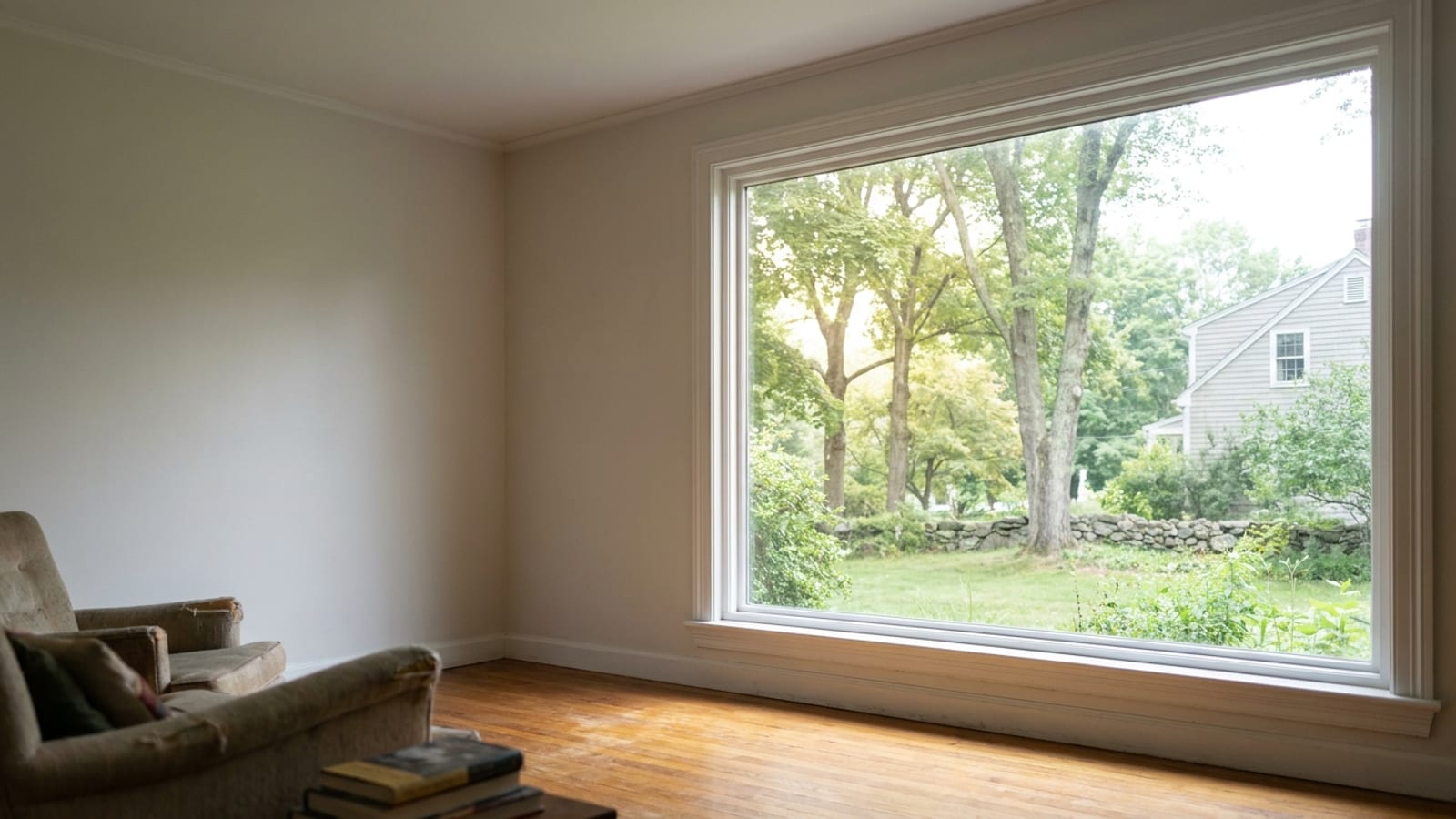
A picture window is fixed glass. There is no sash, no balance system and no lock, so the hardware that drives cost in an operating window is simply absent. What replaces it is glass area, and glass area is heavy, expensive to insulate well and awkward to carry up a lawn. That trade is the whole story of what these units cost.
This post deals specifically with fixed picture units. If you are pricing a full house of mixed window types, the broader breakdown in our guide to what one replacement window costs in Connecticut is the better starting point.
General Connecticut ranges
These are the ranges published for our market. They are not a quote, and the spread inside each row is wide for good reason.
| Unit type | General Connecticut range, installed |
|---|---|
| Unit typeStandard vinyl picture window | General Connecticut range, installed$300 to $700 per window |
| Unit typePremium wood or fiberglass | General Connecticut range, installed$800 to $1,500 or more per window |
| Unit typeLarge or custom unit | General Connecticut range, installed$1,000 to $2,500 or more per window |
| Unit typeWhole house, 10 to 15 windows | General Connecticut range, installed$5,000 to $20,000 or more |
Large and custom units are common in Fairfield County, where homes tend to be bigger and the openings are wider to begin with. A single wide fixed unit in a Greenwich living room can cost more than three bedroom double-hungs put together, and that is not a market premium, it is square footage of insulated glass.
What actually moves the number
Glass area and the glass package
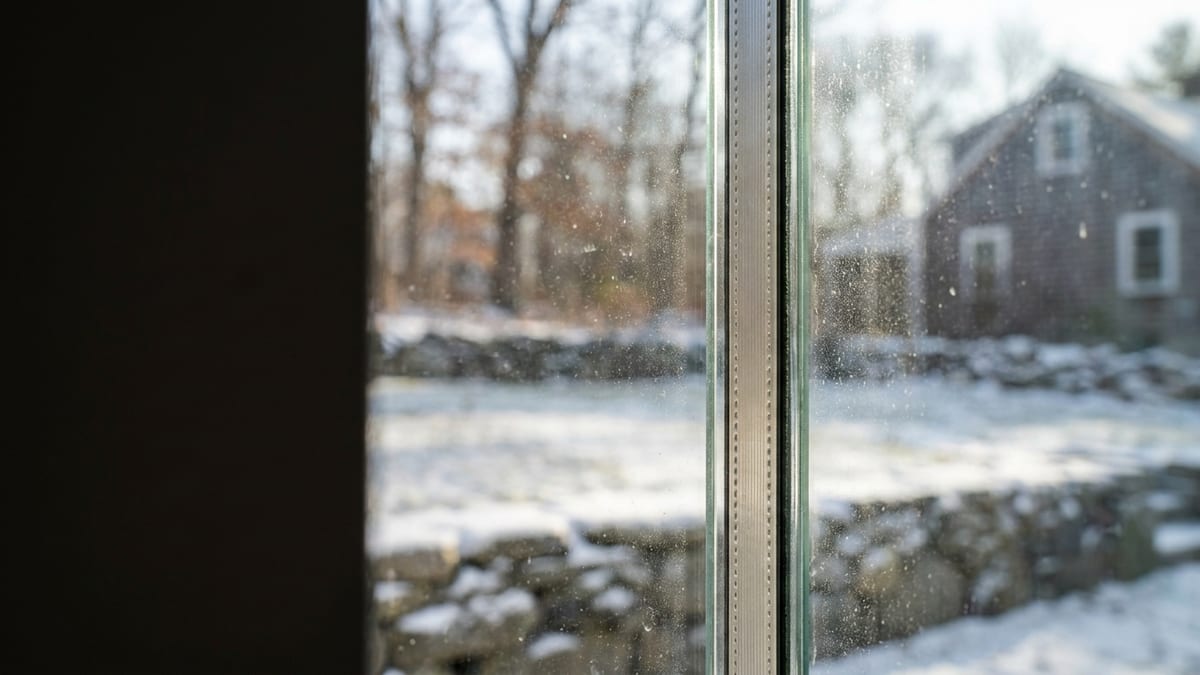
An insulated glass unit is priced by area, and the cost does not stay linear forever. Past a certain size manufacturers move to thicker lites, different spacers and sometimes a third pane for structural reasons rather than energy reasons. Low-E coatings and argon fill are standard on anything worth installing here, and they add less than homeowners expect. Tempered safety glazing, which is required when glass sits low to the floor or near a door, adds more.
Weight and access
A large fixed unit is a two or three person lift. If it has to come through a narrow hallway, go up a staircase, or get set from a second story, the labor line grows. Crews price access honestly or they price it as a surprise later. Ask how the unit is getting to the opening during the measurement visit.
Frame material
Vinyl is the value answer and performs well. Fiberglass holds a slimmer sightline at large sizes, which matters when the point of the window is the view. Wood with an exterior cladding is the premium answer and the usual choice when interior trim is stained rather than painted. The range from vinyl to premium wood can be two or three times the unit price on the same opening.
What is behind the trim
A picture window sits in a wide opening, which means a header is carrying load above it. Replacing the unit in the existing opening touches none of that. Making the opening wider or taller does, and that turns a window job into a framing job with a permit attached.
Insert or full frame
An insert sits inside the existing frame. It is faster, it does not disturb your interior or exterior trim, and it costs less. It also loses glass area, because the new frame sits inside the old one. On a picture window that loss is visually noticeable in a way it rarely is on a basement unit, and it is the single most common disappointment after installation.
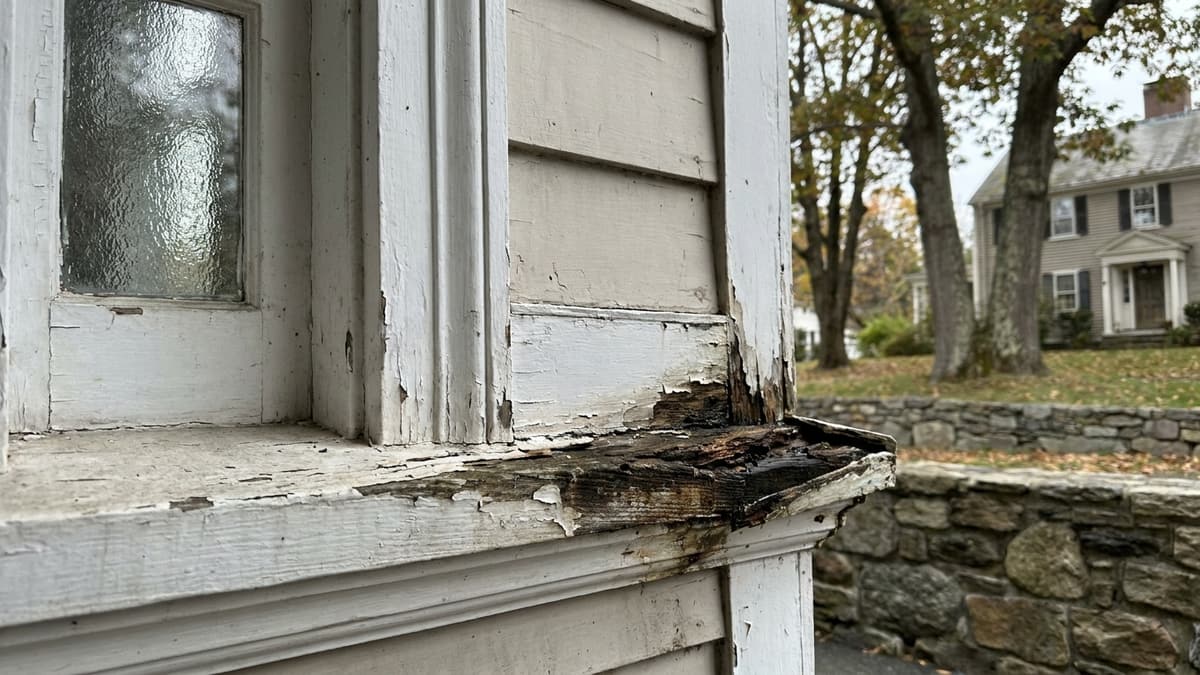
Full frame removes everything down to the rough opening. It costs more and it means new interior and exterior trim, but it restores the full glass size and it exposes the sill and framing so anything rotten can be dealt with rather than covered. On a wall that has been leaking around the window, full frame is the only version of the job that fixes the actual problem.
Before you sign, ask for the finished glass dimension of the proposed unit, not the rough opening dimension. That one number tells you how much view you are keeping.
The energy numbers for a large piece of glass
All of Connecticut sits in the ENERGY STAR Northern climate zone. Under version 7.0, effective October 2023, a qualifying window needs a U-factor of 0.22 or lower and a solar heat gain coefficient of at least 0.17. Both numbers are printed on the NFRC label.
The SHGC figure is a minimum, not a maximum. That matters more on a picture window than on any other unit in the house. A large south facing fixed window is a solar collector during a Connecticut winter, and a glass package tuned to block heat gain throws away free heating on exactly the wall where you have the most glass. If a salesperson is selling you the lowest SHGC available for a south wall in a heating climate, ask them to explain the reasoning.
The case against putting a picture window in
There is a real one, and it has three parts.
- It does not open. No ventilation, no screen, no cross breeze. In a room that gets warm in summer, replacing operating windows with fixed glass removes the cheapest cooling you had.
- It cannot serve as egress. Every bedroom needs at least one window meeting egress dimensions. A fixed unit cannot. If you are considering fixed glass in a bedroom, read our post on how a replacement can break bedroom egress first.
- Cleaning and glass replacement. The exterior face has to be washed from outside, and if the seal fails on a large unit, the replacement sash is a large unit too.
The common compromise is a picture unit flanked by two casements or double-hungs. You keep most of the view, you keep ventilation, and you keep an operable opening. It costs more than a single fixed pane and less than three operating windows of the same total width.
Permits and historic districts
Most Connecticut towns we serve do not require a permit for a like-for-like window replacement where the opening size does not change. A permit is generally required once you resize an opening, add a window, or alter a header, all of which are common when a homeowner decides the view deserves more glass.
In a local historic district, Connecticut General Statutes Sec. 7-147f(a) draws the line at material and configuration. Replacing in similar materials is ordinary maintenance and does not need a Certificate of Appropriateness. Turning two double-hungs into one fixed pane changes the configuration, and that does.
What to ask for on the quote
A picture window quote should name the brand and series, the exact unit size, the frame material, the glass package, the U-factor and SHGC, and whether the price is insert or full frame. It should also say who is finishing the interior and exterior trim, because on a full frame job that is real labor and it is the line most often left vague. The window services page lists the fixed unit options we install.
When you are ready, request an estimate. Someone comes out, measures the openings, goes over frame and glass options, and leaves you with a written price you can compare against anyone else's.