Short answer
Most rotted sills, casings and brickmold can be repaired for a fraction of what a new window costs, because the rot usually sits in the exterior trim rather than in the window unit itself. The test is whether the soft wood is confined to trim that can be consolidated, patched or swapped out, or whether it has reached the jambs, the sash or the sheathing behind. Once the frame or the wall below is soft, repair stops being the cheaper path.
On this page
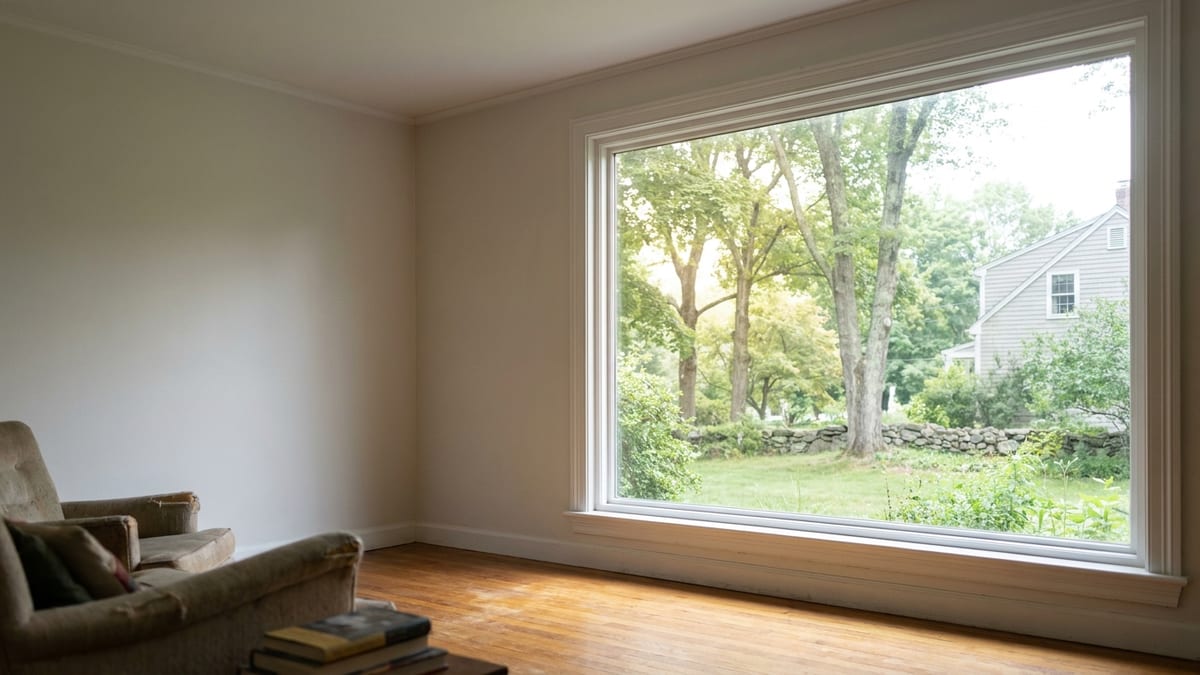
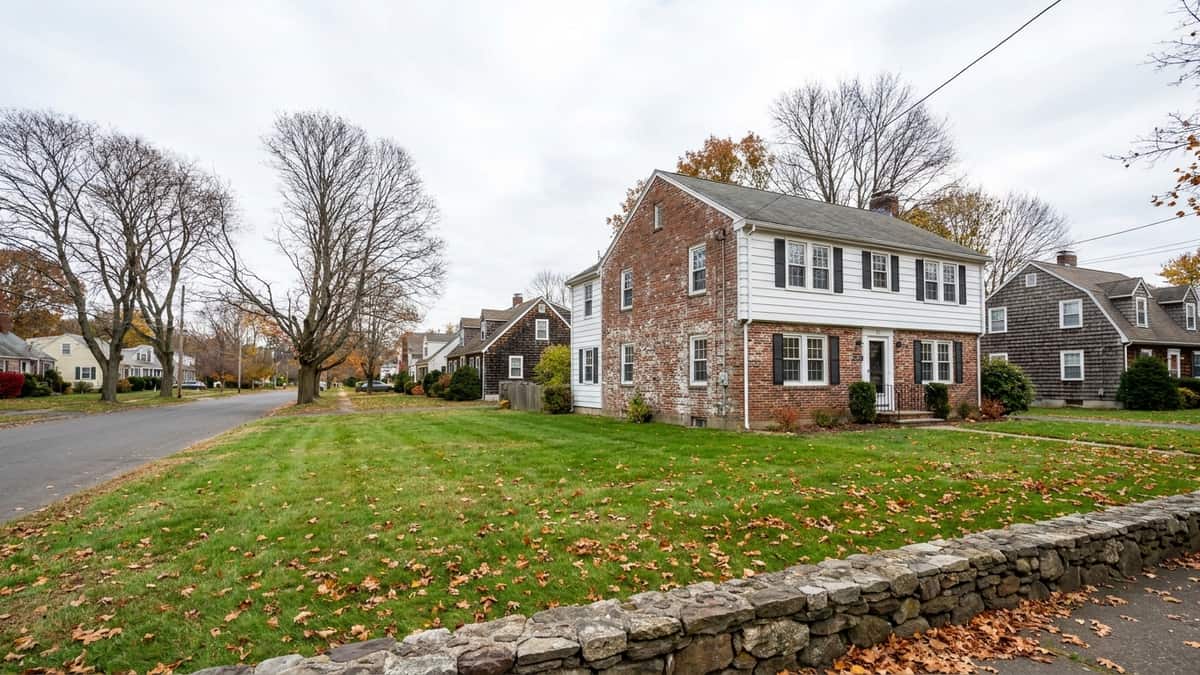
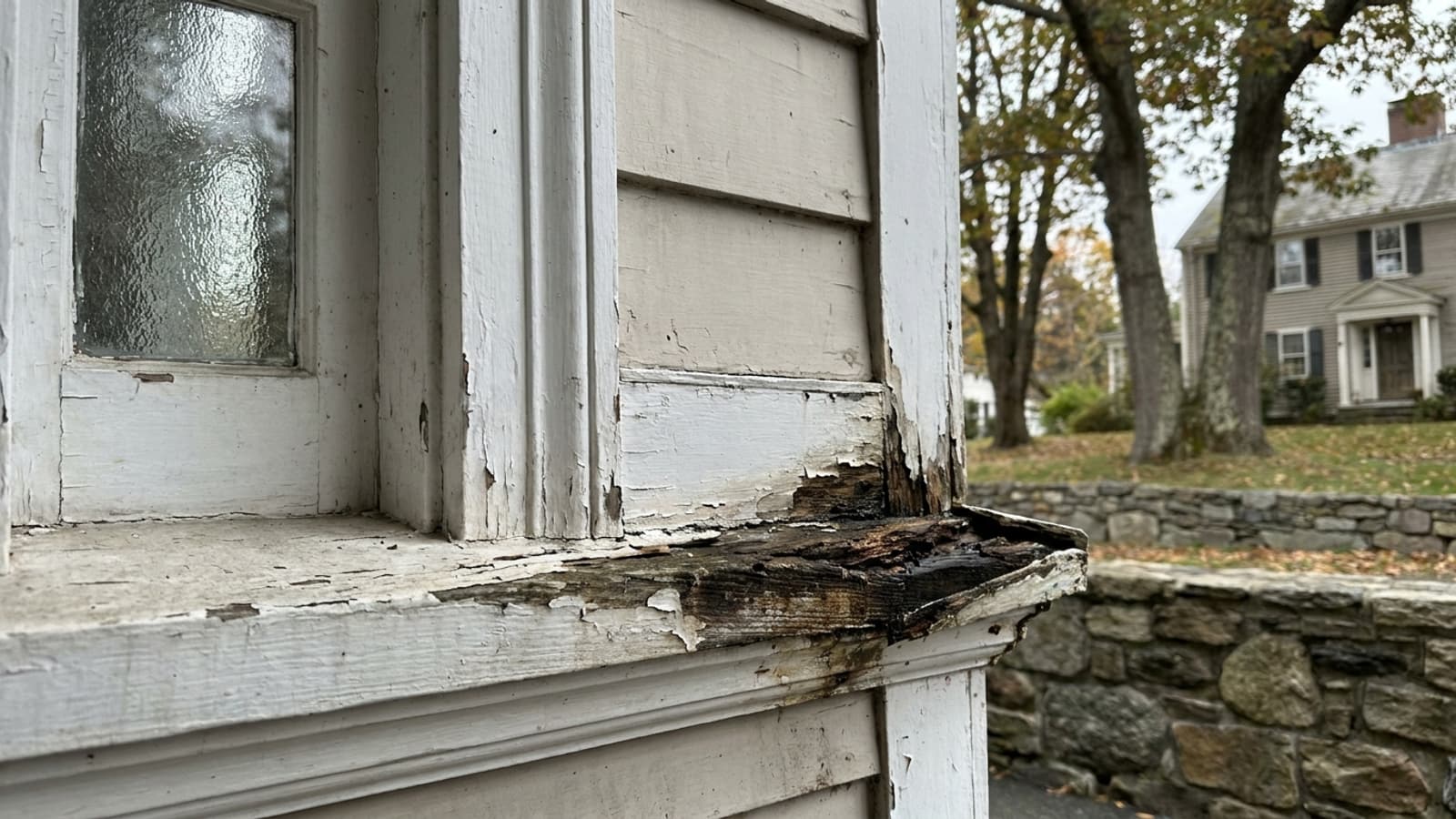
A rotted window sill looks like the beginning of a $15,000 project. It usually is not. On most Connecticut houses the rot is in the exterior wood bolted to the window, not in the window, and the repair path is far cheaper than a replacement unit. The job is to find out which one you have before anyone quotes you a whole house.
The test that separates rot from weathering
Paint that is cracked, chalky or peeling is a finish problem. Wood that has lost structure is a different thing, and the two look nearly identical from the ground.
Probe it
Take an awl, an ice pick or a thin screwdriver and press it into the wood at a shallow angle. Test these spots in order, because this is the order they fail in.
- The outer corners of the sill, where end grain is exposed.
- The joint where the sill meets the vertical casing on each side.
- The bottom four inches of each casing leg or brickmold leg.
- The sill's underside, back near the siding.
- The bottom rail of the sash itself, from inside, with the window open.
Sound wood stops the tool almost immediately. Rotted wood takes the tip with little resistance, and the fibers that come out are stringy or crumbly. A moisture meter adds useful detail, but the awl decides the question.
Read what the pattern tells you
Rot at the outer sill corners only is almost always a paint and end-grain problem. Rot running up both casing legs usually means water is coming from above, through a failed head flashing or an unsealed joint under the siding. Rot on one side only often points at something specific, like a downspout, a lawn sprinkler head, or a gutter that overflows at one corner. Fixing the wood without fixing that source buys you a few seasons.
Where the water usually comes from
- A sill that lost its slope. Exterior sills are pitched to shed water and often have a drip kerf cut into the underside. Decades of paint buildup can fill that kerf, and water then tracks back to the siding instead of dropping off.
- Caulk used as flashing. Caulk is a sealant with a service life, not a substitute for metal or membrane above the window. When the only thing above the head casing is a bead of caulk, the legs rot from the top down.
- Failed glazing putty on older sash. Water sits in the glass rabbet and wicks into the bottom rail.
- Salt air and wind-driven rain on the shoreline. In towns like Guilford and Madison, salt accelerates finish failure and corrodes the fasteners holding trim together, so trim there tends to need attention earlier than the same detail inland. The local picture is covered on our Guilford window page.
Three repair tiers, and what each one actually fixes
| Tier | What it is | Right when | Limitation |
|---|---|---|---|
| TierConsolidant and epoxy | What it isLiquid consolidant soaks into soft fibers, two-part filler rebuilds the missing profile | Right whenDamage is shallow and local, under a few inches across | LimitationNot a structural repair, needs intact surrounding wood to hold |
| TierDutchman or partial piece | What it isThe rotted section is cut out square and a new piece is let in and glued | Right whenRot runs through a sill nose or the bottom of one casing leg | LimitationOnly works if the rest of the member is sound and the joint can be sealed |
| TierFull trim replacement | What it isSill, casing or brickmold removed entirely and replaced | Right whenRot runs the length of the member, or it has gone through | LimitationExposes the rough opening, which sometimes finds more work |
All three are routinely done on windows that themselves have years of life left. If you are replacing the trim anyway, that is the moment to decide between clear wood and a rot-proof alternative. The honest tradeoff is laid out in our comparison of PVC and wood exterior trim — PVC will never rot, it also expands and contracts more and does not take a crisp historic profile the way wood does.
When repair stops being the cheaper answer
Repair loses its advantage at four specific findings.
The jamb legs are soft
Trim is replaceable without touching the window. The jamb is the window. Once the jamb legs or the sill horn inside the frame are punky, you are rebuilding the unit in place, and the labor approaches what a new window costs.
The sash bottom rail is gone
On an older double-hung, a bottom rail that has turned to sponge means the sash cannot hold glazing reliably. Sash can be rebuilt by a restoration shop, which is a real option on an antique house, but it is not the budget choice people expect it to be.
The sheathing or framing below the opening is wet
If the awl goes into the wall under the sill, the problem has left the window. That is a wall repair with a window in the middle of it, and it is worth opening up to see the extent before committing to any finish work.
There are twelve of them
One or two rotted sills are a repair. Twelve rotted sills on the same elevation usually mean the whole wall assembly has been managing water poorly for a long time, and spot repairs on all twelve will cost real money without improving how the house performs. At that point, compare the total honestly against published ranges for window replacement, which run roughly $300 to $700 per standard vinyl unit installed and $800 to $1,500 or more for wood and fiberglass in Connecticut.
The insert replacement trap
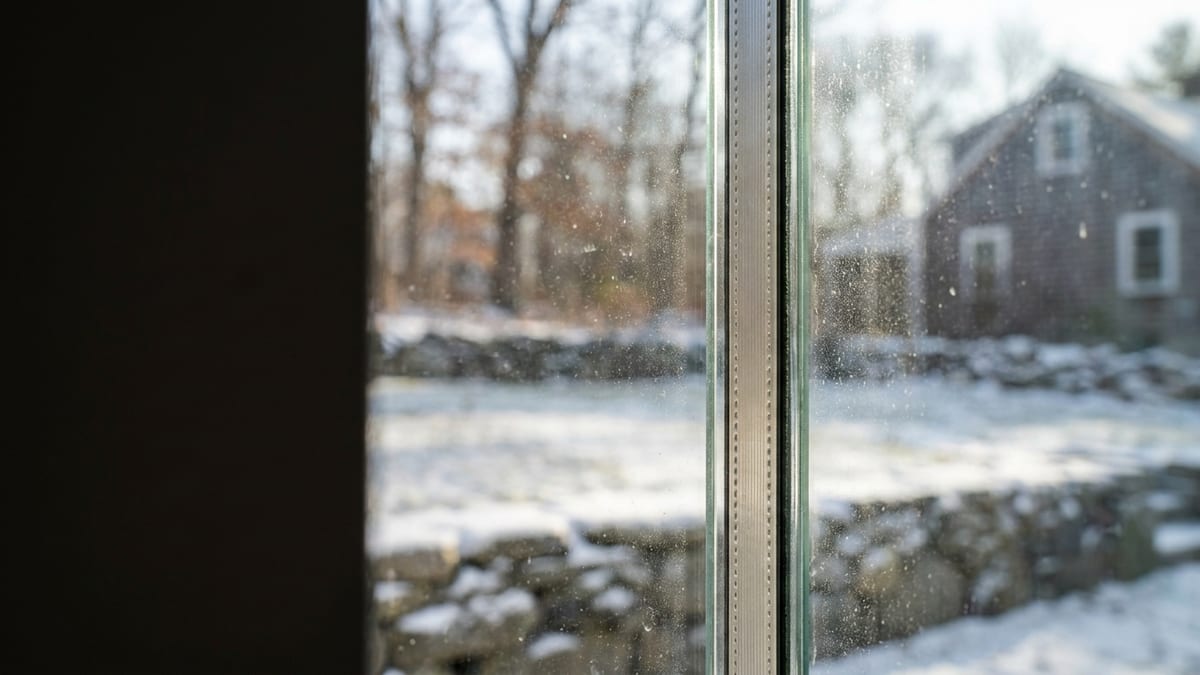
This is the part that costs homeowners money twice. An insert, or pocket, replacement sets a new window inside the existing frame and leaves the old jambs, sill and exterior trim in place. It is faster, cheaper and perfectly appropriate on a sound opening. It is the wrong choice on a rotted one, because the new window gets installed over wood that is still decaying, and nobody sees it again for twenty years. A full-frame replacement removes the old frame and trim down to the rough opening, which is the only version that actually deals with rot. The full comparison is in our post on insert versus full-frame replacement.
Permits, historic districts and egress
Most Connecticut towns we serve do not require a permit for trim repair or for a like-for-like window replacement where the opening size does not change. A permit is generally required once the opening is resized, a window is added, or a header is altered — and rot repair occasionally uncovers framing that needs structural work, which changes the answer mid-job.
In a local historic district, Connecticut General Statutes Sec. 7-147f(a) draws the line at material type. Replacing a rotted wood sill with a new wood sill is ordinary maintenance and needs no Certificate of Appropriateness. Replacing it with PVC is a material change and does.
One more thing to check if the repair turns into a replacement: every bedroom needs at least one window meeting egress dimensions, and an insert unit loses clear opening inside the old frame.
What a sill repair costs
We do not publish a flat figure for this, because the honest price depends on how many openings are involved, whether staging or a ladder is needed for a second story, whether the siding has to be disturbed to reach a flashing detail, and what the awl finds once the paint comes off. What we can tell you is the comparison that matters: on a sound window, trim repair is a small fraction of a replacement unit, and it is worth doing before you spend anything on new glass.
If you want a number for your house, request an estimate at /get-estimate. Someone comes out, probes the wood at each opening, tells you which windows are repair candidates and which are not, and leaves a written price.