Short answer
A standard vinyl replacement window in Connecticut generally runs $300 to $700 installed, and a premium wood or fiberglass unit $800 to $1,500 or more. Large or custom units, including bay and bow assemblies, commonly land between $1,000 and $2,500 and up. Those are general Connecticut ranges that move with size, install method and what the crew finds behind the old trim, not a quote.
On this page
A single replacement window in Connecticut generally costs $300 to $700 installed for a standard vinyl unit and $800 to $1,500 or more for a premium wood or fiberglass one. Large or custom units, which show up often on bigger homes in Greenwich and Westport, commonly run $1,000 to $2,500 and up. Those are general Connecticut ranges that depend on the specific house, not a quote for yours.
The per-window number is the figure homeowners ask for first and the one that misleads them most. This post breaks down what is inside it, what moves it, and where it stops being a useful way to compare two proposals.
What the per-window price is supposed to cover
When a contractor gives you a price per window, that figure should include far more than the unit itself. On a complete quote it covers:
- The window, built to the measured opening size of that specific rough opening
- Removal of the old sash, frame or insert, and disposal
- Installation, shimming and squaring so the sash operates without binding
- Insulation and air sealing of the gap between the unit and the framing
- Interior trim work, or reuse of existing trim where it survives removal
- Exterior sealing, and aluminum capping of the exterior casing where applicable
- Cleanup and a demonstration of how the unit operates and cleans
The glass unit is often less than half the total. Labor, trim carpentry and finish detail make up the rest, which is why a low material price does not produce a low installed price.
Published Connecticut ranges
| Category | Typical installed cost per window |
|---|---|
| CategoryStandard vinyl | Typical installed cost per window$300 to $700 |
| CategoryPremium wood or fiberglass | Typical installed cost per window$800 to $1,500 and up |
| CategoryLarge or custom units | Typical installed cost per window$1,000 to $2,500 and up |
| CategoryFull house, 10 to 15 windows | Typical installed cost per window$5,000 to $20,000 and up |
By brand, the general spread looks like this:
| Brand | Price range per window | Where it fits |
|---|---|---|
| BrandHarvey | Price range per window$300 to $600 | Where it fitsBudget-conscious, solid efficiency |
| BrandPella | Price range per window$500 to $1,000 | Where it fitsWide range of styles and options |
| BrandAndersen | Price range per window$600 to $1,200 | Where it fitsAll-around value and reliability |
| BrandMarvin | Price range per window$800 to $2,000 and up | Where it fitsDesign flexibility, premium builds |
Those ranges are for Connecticut generally. Fairfield County pricing tends to sit higher, not because the labor is different but because the houses are larger and the units are more often custom sizes with specialty grilles and finishes. You can see the styles we install on the windows service page.
The four things that actually move one window's price
Size and configuration
Price scales with glass area and with how many moving parts the unit has. A standard double-hung in a bedroom is the baseline. A casement unit with a crank and multipoint lock costs more per square foot of glass. A bay or bow assembly is not one window at all but three to five units in a projecting frame that needs a head board, a seat board, roofing above and support below, which is why it can cost more than four ordinary windows combined.
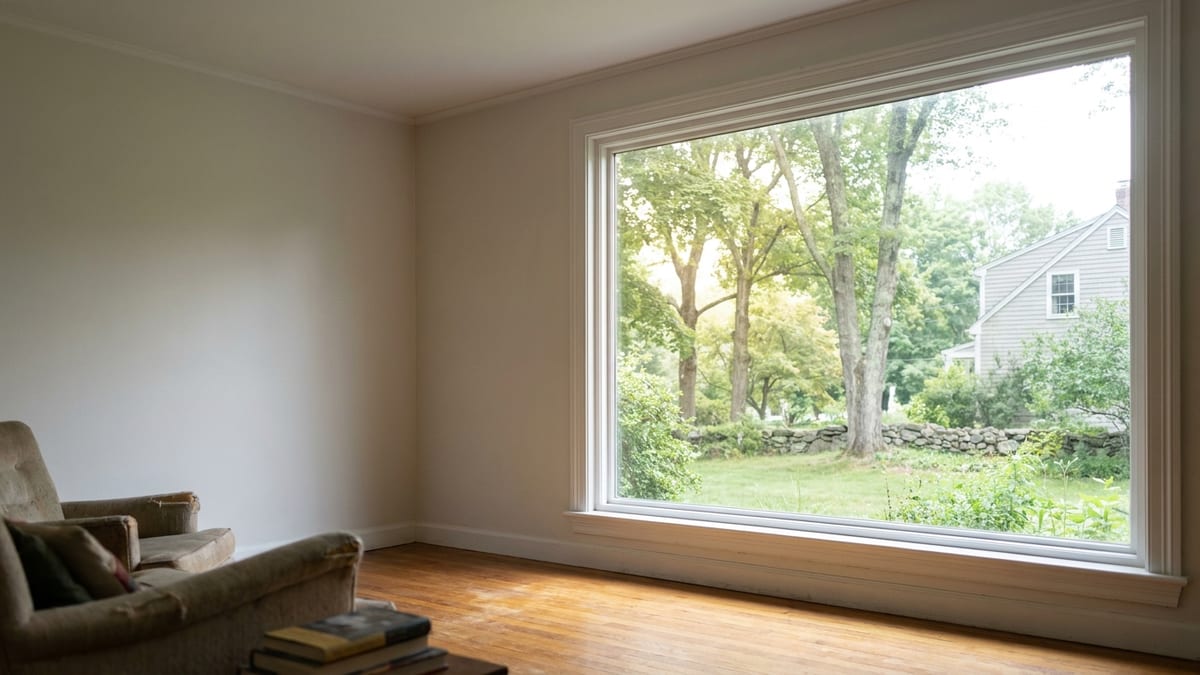
A fixed picture window is the cheapest per square foot of glass, since nothing has to open or seal against weather stripping under operation.
Install method
An insert replacement sets a new unit inside the existing frame. A full-frame replacement takes the old frame out down to the rough opening. Full-frame costs more per window because it involves more demolition, more trim work and more exterior detail, and it is the right call when the existing frame is rotted or when preserving glass area matters. We covered the tradeoff in detail in the post on insert versus full-frame replacement, so this post will not repeat it.
The glass package
All of Connecticut is in the ENERGY STAR Northern climate zone. Under version 7.0, effective October 2023, a qualifying window needs a U-factor of 0.22 or lower and a solar heat gain coefficient of at least 0.17. That SHGC figure is a minimum. A window that blocks too much solar gain gives away free winter heat in a heating-dominated climate. The full explanation is in the post on window ratings.
Upgrades beyond that baseline, including tempered glass where code requires it near doors and floors, obscure glass in bathrooms, simulated divided lites and specialty coatings, each add to the unit price. Grilles between the glass are cheaper than simulated divided lites with an exterior bar.
What is behind the trim
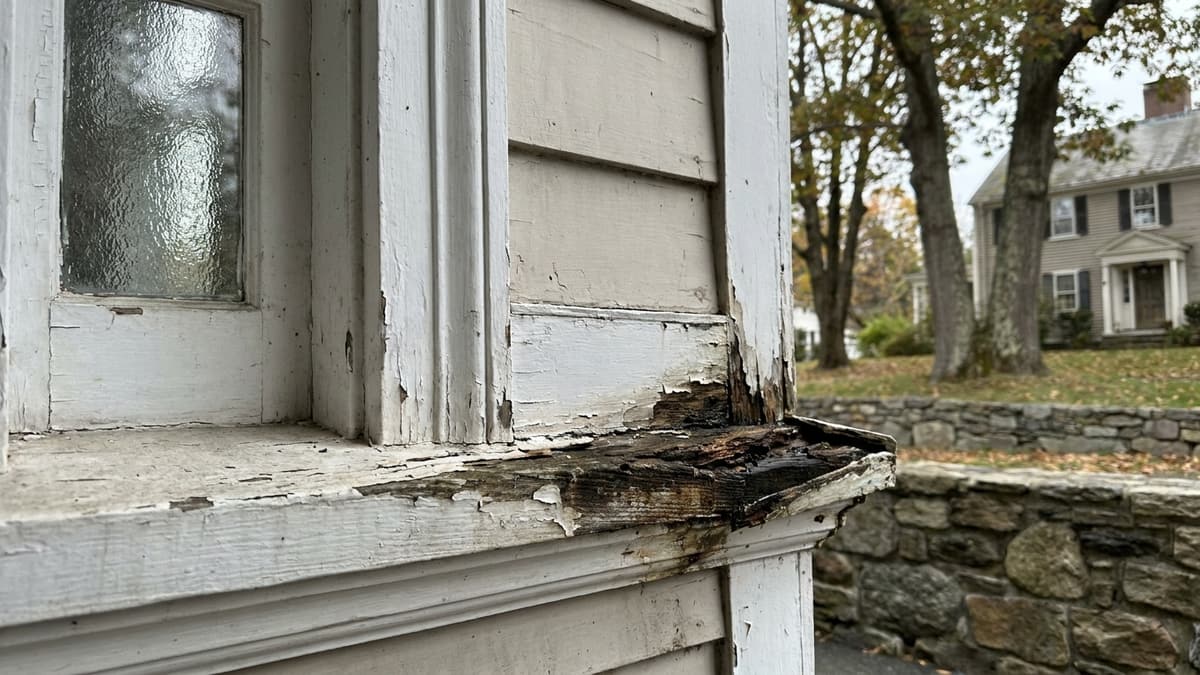
This is the variable nobody can price from the driveway. Rotted sills, failed flashing, out-of-square openings in an older Colonial, or plaster that crumbles when the interior stop comes off all add labor. On homes built before 1978, lead-safe work practices are required and add containment and cleanup time. That matters on much of the older stock in Hartford, New Haven and the Farmington Valley.
Where the per-window number stops being useful
A whole-house project is not the unit price multiplied by the window count. Three things bend the math.
First, mobilization is shared. Measuring, staging, protection and delivery happen once whether you replace six windows or sixteen, so the per-unit cost usually falls modestly as the count rises.
Second, no house has sixteen identical windows. A Cape in Manchester might have twelve standard double-hungs and one oversized stair window that costs as much as three of the others. Averaging hides that.
Third, the exterior condition drives cost. If the siding is coming off anyway, full-frame replacement gets cheaper relative to inserts because the flashing and trim work happen in one pass rather than two.
The case for spending less
An honest comparison has to include the argument against the premium unit. Three situations where the cheaper window is the correct decision:
- You are selling within a few years. A sound, code-compliant, ENERGY STAR-qualified vinyl window presents as well to a buyer's inspector as a $1,400 unit does, and you will not recover the difference.
- The windows are on a low-visibility elevation. Back-of-house bedrooms and a garage gable do not need the same product as the street-facing facade.
- Only a few units have failed. A fogged pane or a sash that will not stay up does not require replacing twelve sound windows. Phasing is legitimate, and the price per window on a small batch is only modestly higher.
Where the premium unit does earn its cost is on large openings, on houses where the trim detail is part of the architecture, and where you intend to stay long enough that hardware quality and finish durability show up as fewer service calls.
Permits, egress and one thing to check before ordering
Most Connecticut towns do not require a permit for a like-for-like window replacement where the opening size does not change. A permit is generally required if the opening is resized, a window is added, or a header is altered. Separate from permits, every bedroom needs at least one window meeting egress dimensions, and an insert replacement reduces the clear opening. On a window already near the minimum, that reduction matters, and it is worth verifying before the order goes in rather than after installation.
What to ask for on the quote
Ask for the manufacturer, product line, install method, U-factor and SHGC, and a line-by-line count with opening sizes. Ask specifically whether exterior capping and interior trim are included, and what happens to the price if rot is found. A quote with those items on it can be compared to another quote. A single per-window figure cannot.
When you want a real number for your house, request an estimate. Someone comes out, measures every opening, and gives you a written itemized price.