Short answer
A tight storm window over a sound original sash cuts air leakage and brings the assembly roughly into the range of a basic double pane unit for a small fraction of the cost of replacement. Full replacement is the better call when the sash are rotted, the frames are racked, the weight pockets are open to the outdoors, or you want certified ENERGY STAR Northern zone numbers on an NFRC label. On an antique Connecticut house with original glass and solid joinery, storms are frequently the smarter spend.
On this page
On a house whose original sash are still structurally sound, a tight storm window is usually the better money. On a house where the sash have soft rails, failed joints and a rotted sill, a storm window is a lid on a problem. The decision is about the condition of the existing wood and what you want to achieve, not about which product is more modern.
This post is specifically about old houses, meaning single glazed wood sash with weight pockets and cords, the kind common in Farmington Village, older Hartford and New Haven neighborhoods, and shoreline cottages in Guilford and Madison. If your existing windows are 1980s or 1990s double pane vinyl, storms are not the conversation and our post on insert versus full frame replacement is the relevant one.
What a storm window actually does
Most of the discomfort people blame on old windows is air leakage, not glass. Air moves through the gap where the meeting rails pass each other, around the sash perimeter, through unsealed weight pockets, and through gaps between the frame and the rough opening behind the casing. A single pane of glass is a poor insulator, but a half inch gap at the bottom rail moves far more heat than the glass ever will.
A storm window addresses both pieces. It creates a second barrier against wind driven air movement and it traps a layer of still air in front of the original glass. Still air is the insulator in every window ever made, including a modern argon filled unit.
Exterior storms
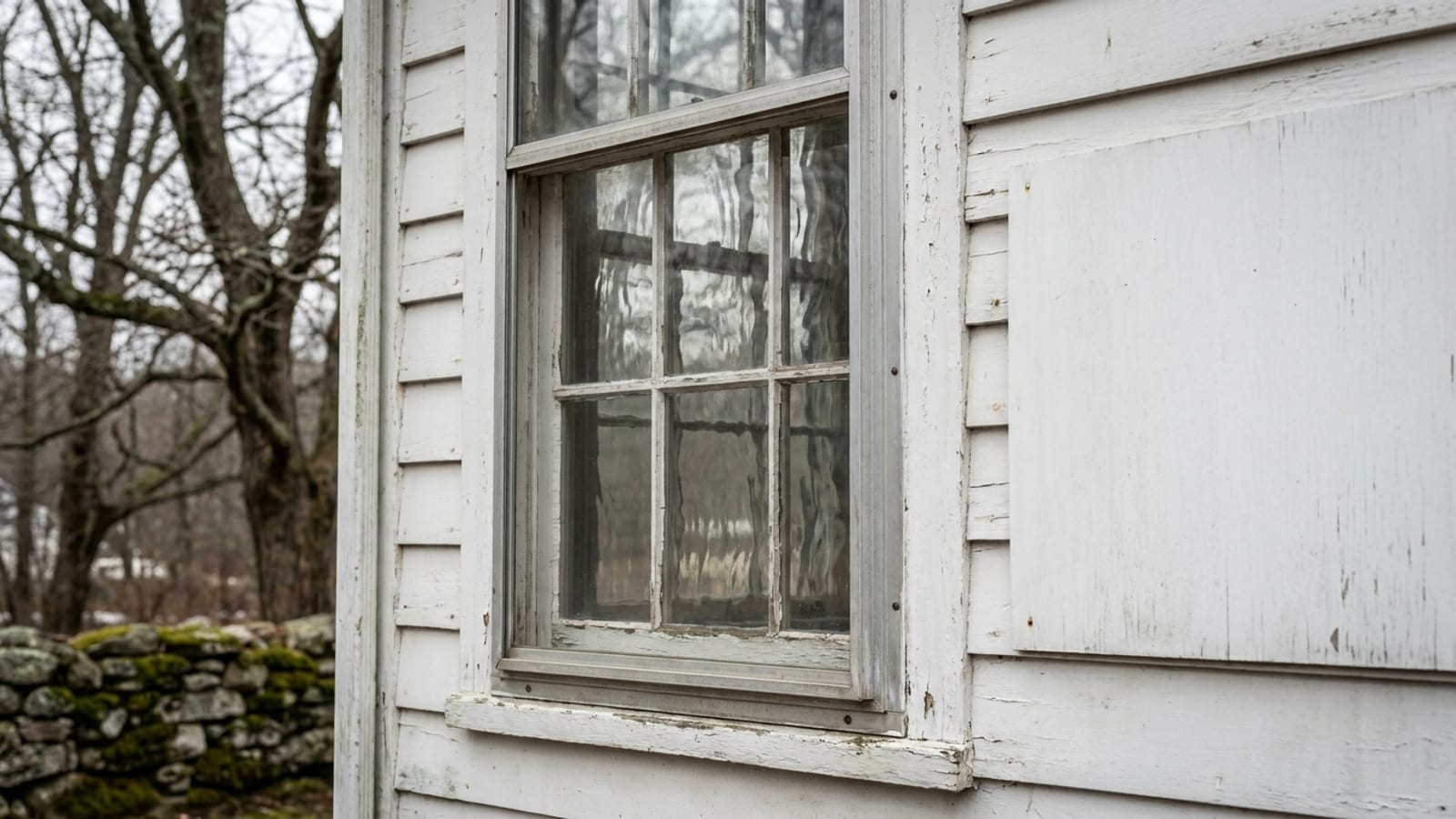
Exterior storms are the traditional approach: an aluminum or wood frame mounted against the blind stop outside the original sash. Triple track units let you slide the glass and screen panels seasonally without hauling anything to the basement. The frames come in finishes meant to disappear against the trim.
Two details matter more than the brand. The unit must have functioning weep holes at the sill so water that gets into the cavity can drain out instead of sitting against the original sash. And the perimeter should be caulked on the sides and top only, never along the bottom, for the same reason.
Interior storms
Interior storms are an acrylic or glass panel held inside the window opening with a magnetic or compression frame. They are invisible from the street, which solves the appearance objection on a facade with historic value, and they are easy to remove.
The tradeoff is that the original sash stays exposed to the weather, so paint maintenance does not go away. Interior panels also need a genuinely tight seal. A loose interior panel lets humid indoor air reach cold glass and you get condensation inside the cavity where you cannot wipe it off.
Low-e coated storm glass
Storm panels are available with a low-emissivity coating, which cuts radiant heat loss considerably over clear glass for a modest price increase. If you are buying storms anyway, this is the upgrade worth taking.
What a storm window cannot do
Be clear about the limits before you spend.
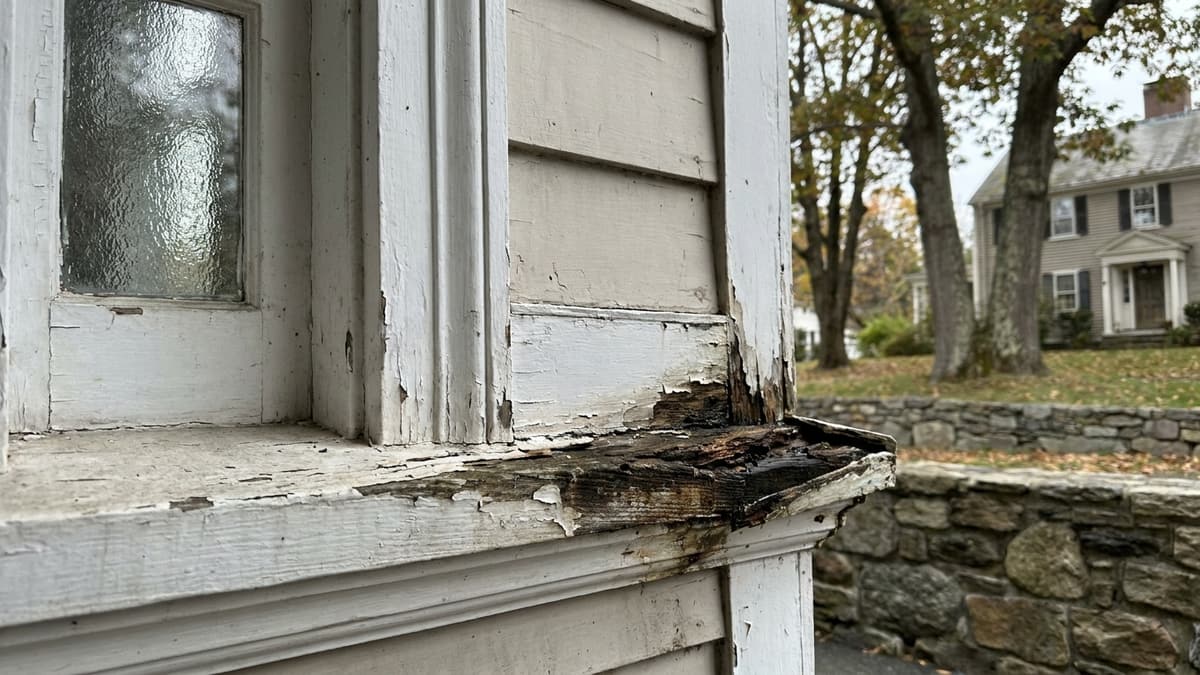
- It does not repair rot. Soft wood at the bottom rail or the sill keeps deteriorating behind the storm, often faster if the cavity does not drain.
- It does not fix operation. A sash painted shut or hanging on broken cords stays that way.
- It does not produce a certified rating. The NFRC label applies to a manufactured window unit. There is no certified combined label for sash plus storm, which matters if a rebate, a program requirement or a buyer's inspection asks for one. The two numbers that define compliance here are covered in our post on replacement window ratings.
- It does not improve egress. It does not hurt it either, which is a point in its favor.
Where replacement genuinely wins
There are conditions where storms are throwing money at a window that has already lost.
- The sash joints have opened and the glazing putty is gone in long stretches, so the sash is no longer rigid.
- The sill is holding water and the wood is soft when probed.
- The frame is out of square enough that the sash binds or will not stay closed against the stop.
- You want operation and screens on windows you actually use daily, especially casements and anything over a kitchen counter.
- You are doing a whole house envelope project and want consistent, labeled performance across every opening.
Replacement also wins on sound and on cleaning convenience, which are not energy arguments but are the two reasons homeowners most often say they are glad they did it. Window styles and how each one behaves are laid out on our window services page.
Cost framing
We install replacement windows, so take this from a company with an obvious bias and judge the numbers yourself. Published general Connecticut ranges for replacement work look like this.
| Scope | General Connecticut range | Notes |
|---|---|---|
| ScopeStandard vinyl window, installed | General Connecticut range$300 to $700 each | NotesDepends on size and trim work |
| ScopePremium wood or fiberglass, installed | General Connecticut range$800 to $1,500 or more | NotesMarvin, Andersen, Pella territory |
| ScopeWhole house, 10 to 15 windows | General Connecticut range$5,000 to $20,000 or more | NotesDriven by count, size and interior finish |
| ScopeLarge or custom units | General Connecticut range$1,000 to $2,500 or more | NotesCommon on larger homes in Greenwich and Westport |
These are general ranges for Connecticut houses, not a quote, and the spread inside them is mostly about size, access and what the trim detail requires. Storm windows are priced per unit by the supplier and sit far below any of the figures above, which is exactly why the comparison is worth making honestly rather than skipping.
The question that decides it is not which line is cheaper. It is what you get for the difference. If storms bring a drafty room to comfortable and the sash have twenty good years left, the gap stays in your pocket. If the sash are failing, the storm money is spent twice.
Old house specifics in Connecticut
Historic districts
In a local historic district, replacing existing storms with similar ones is ordinary maintenance and is not subject to review under Connecticut General Statutes Sec. 7-147f(a). Changing material type or configuration is what triggers a Certificate of Appropriateness, which is covered in detail in our post on historic district exterior work. Adding storms where none existed is an appearance change, so a call to the commission before ordering is cheaper than a call after.
Lead paint
Pre-1978 houses are the ones most likely to have original sash. Disturbing painted surfaces on those houses triggers federal RRP work practices. That applies to replacement work and to sash repair, and it is part of why a careful job on an antique house costs more than a 1990s subdivision job. Houses in Farmington and similar historic village areas run into this constantly.
Egress
A storm window does not change clear opening dimensions. An insert replacement does, because the new unit sits inside the old frame and gives up an inch or more on each side. On a bedroom window already near the minimum, that reduction can take a compliant room out of compliance. This is a measurement question with a definite answer, and it should be settled before anything is ordered.
A practical way to decide
- Probe the bottom rail and sill of your worst three windows with a screwdriver. Soft wood changes the answer immediately.
- On a windy day, run a hand around the perimeter and the meeting rail. If most of the draft is at the frame and casing, air sealing and storms will do much of the work.
- Check whether the windows operate. Windows you cannot open are a comfort and safety issue that storms do not solve.
- Decide how long you intend to own the house. Storms are a maintenance decision, replacement is a capital one.
- Price both honestly for the same openings before committing to either.
If you want a written price on replacement, request an estimate through our estimate form. Someone comes out, measures each opening, and gives you an itemized written price. If the inspection says your sash are worth keeping, we will tell you that, because a homeowner who spends $14,000 on windows that did not need replacing does not recommend anyone.