Roofing
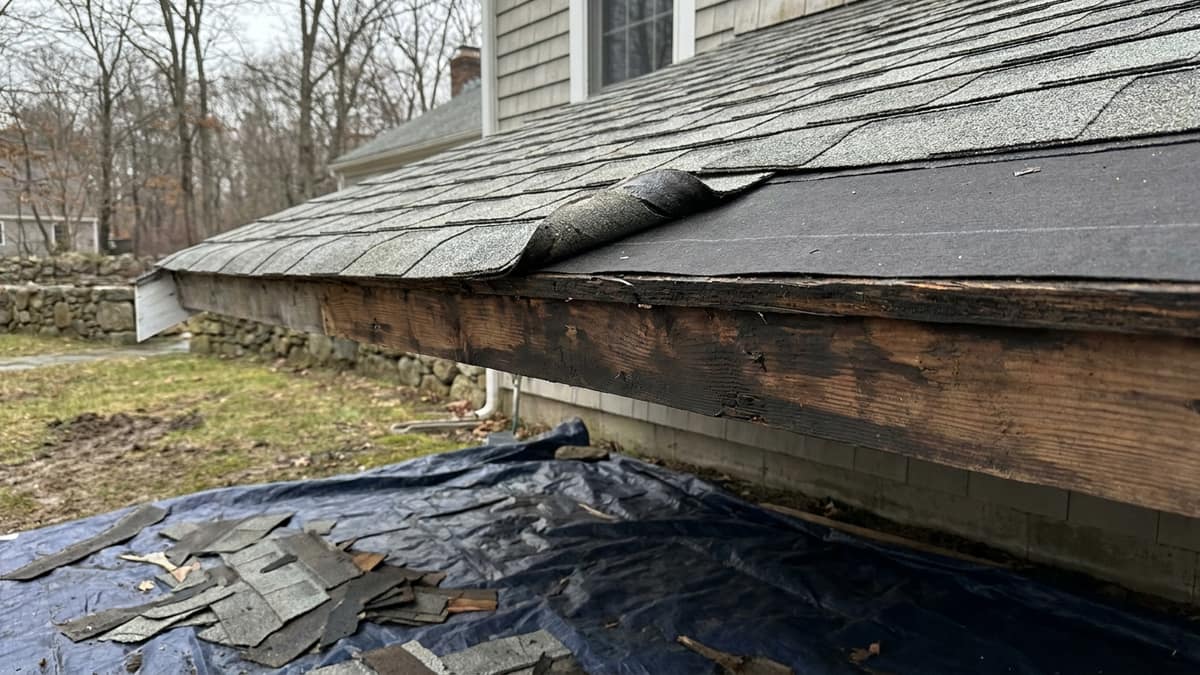
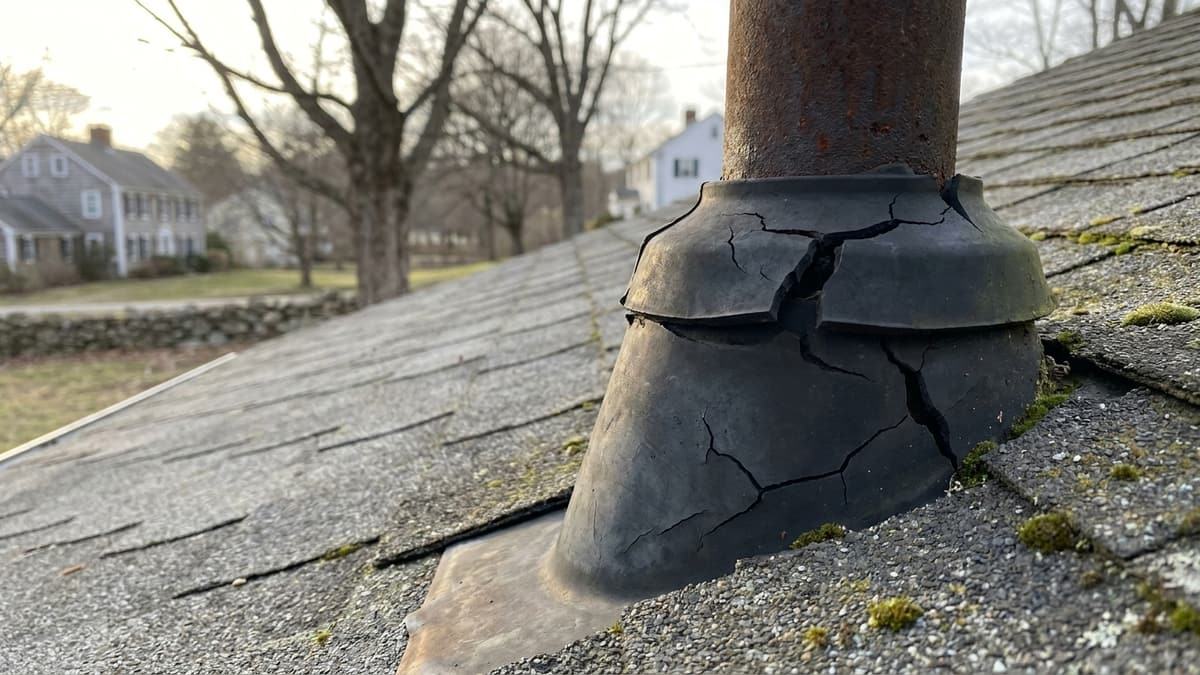
Leaking Vent Pipe Boot: Small Repair or New Roof?
A cracked plumbing vent boot is usually a cheap, fast repair. Here is when replacing the boot solves the leak and when the roof around it is the real problem.
Read the article
Roof replacement and repair on Connecticut houses: what drives the price, what the code requires in your town, and what to check before you sign anything.
A cracked plumbing vent boot is usually a cheap, fast repair. Here is when replacing the boot solves the leak and when the roof around it is the real problem.
Read the articleAsphalt shingles need a 2:12 minimum pitch, and from 2:12 to under 4:12 Connecticut code requires a doubled underlayment layer. Below 2:12, use a membrane.
A hurricane deductible is a percentage of your dwelling limit, not a flat dollar amount. Here is what triggers one in Connecticut and what it does to a roof claim.
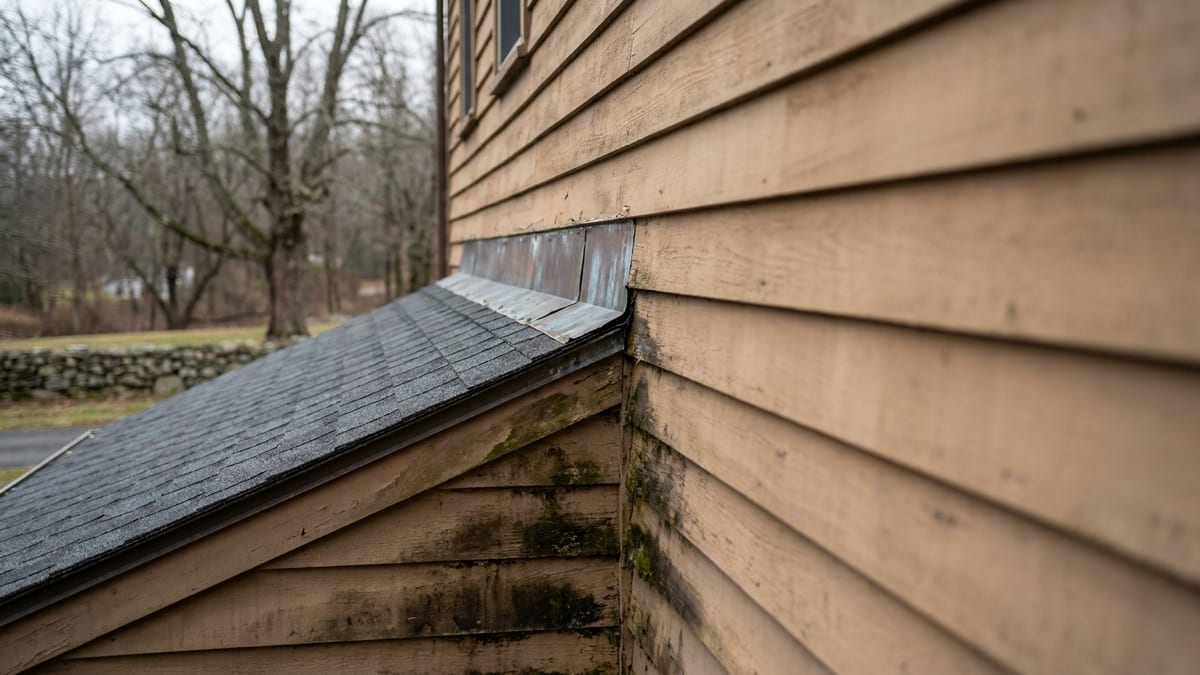
Step flashing is what keeps water out where a roof slope meets a wall. Here is how it fails, why caulk and continuous flashing do not fix it, and what to ask.
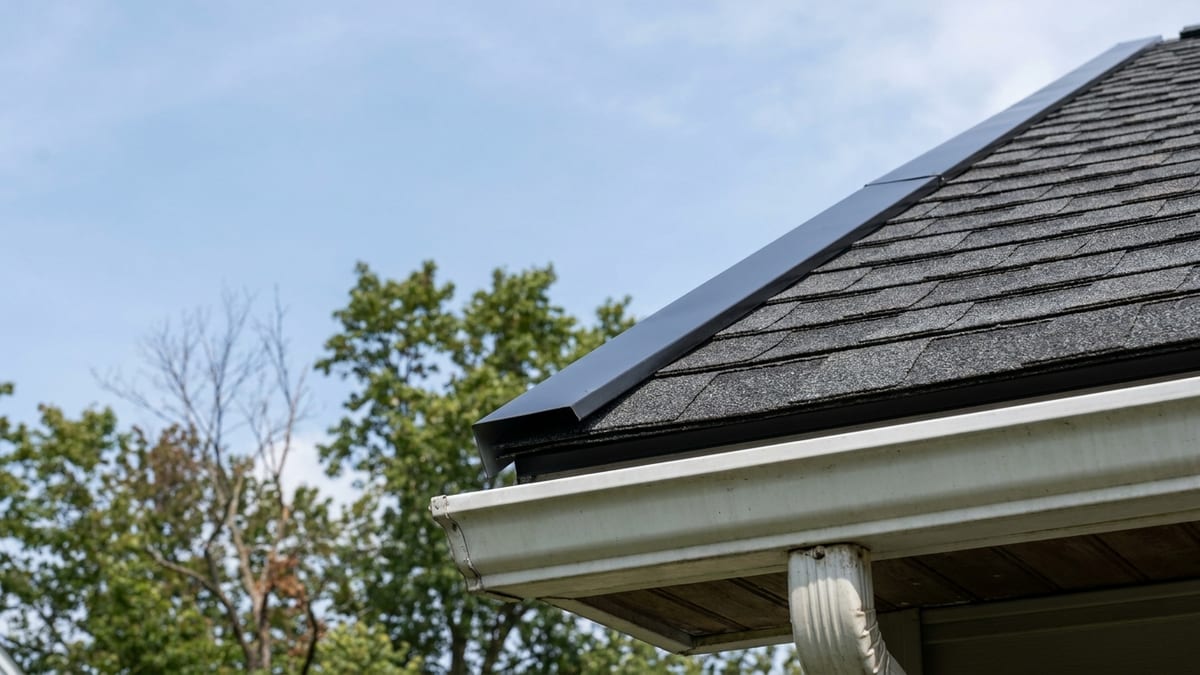
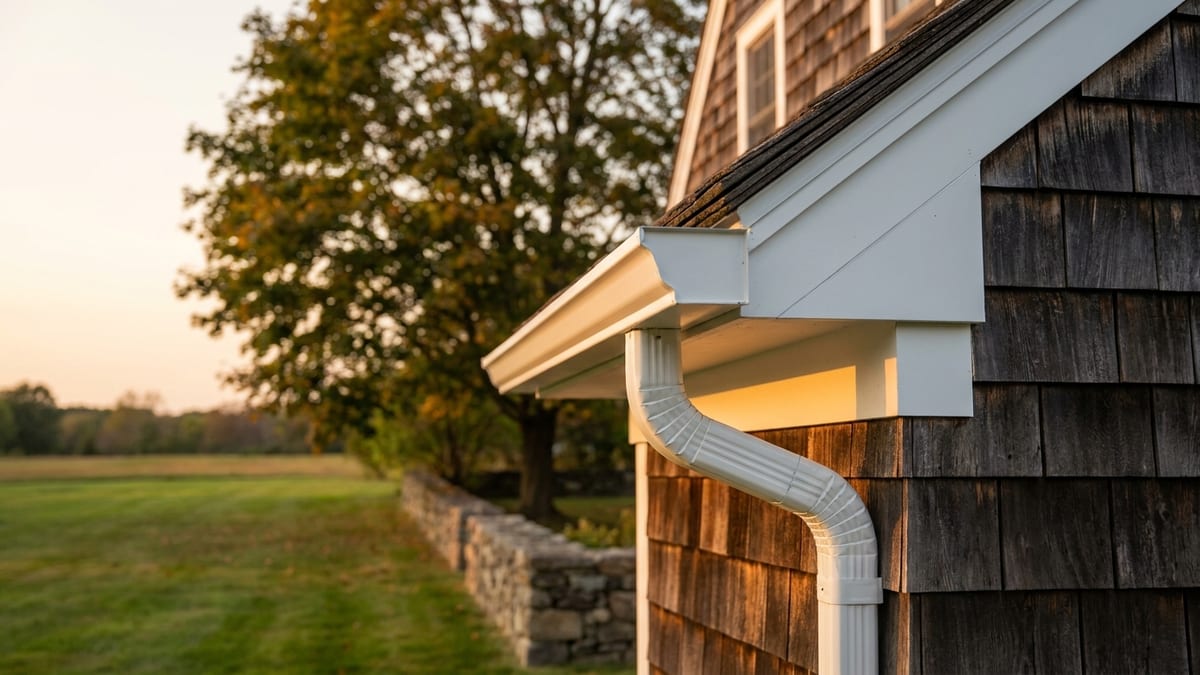
Drip edge is required by code on Connecticut roof eaves and rakes, not an optional add-on. Here is what it does, what it costs, and how to check a quote.
Greenwich, Stamford and Westport are 120 mph wind, 30 psf snow under the 2022 CT code. What that means for a roof replacement, and what drives the price.
Avon, Farmington and Simsbury carry a 35 psf ground snow load under the 2022 Connecticut code, while every other town we serve is 30 psf. Here is why.
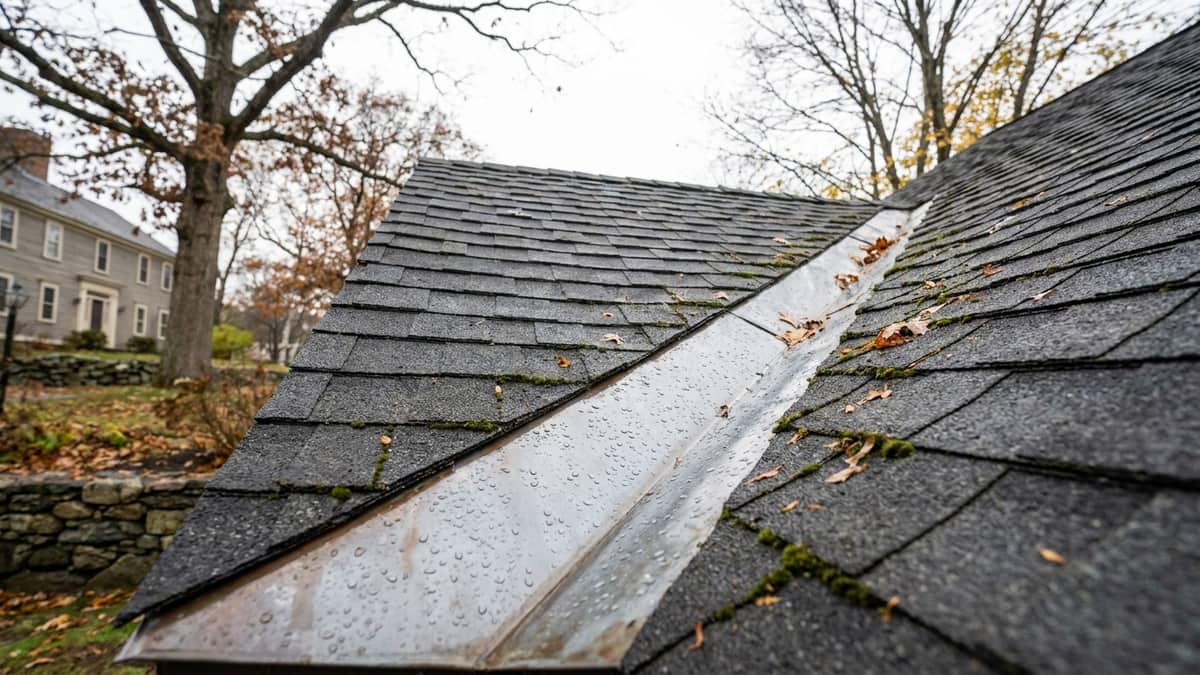
Open metal valleys use a visible metal channel; closed cut valleys run shingles across. Here is how each performs on Connecticut roofs, and what each costs.
A new roof before listing rarely returns its full cost in Connecticut. What it buys is a clean inspection, financeable condition and one less price negotiation.
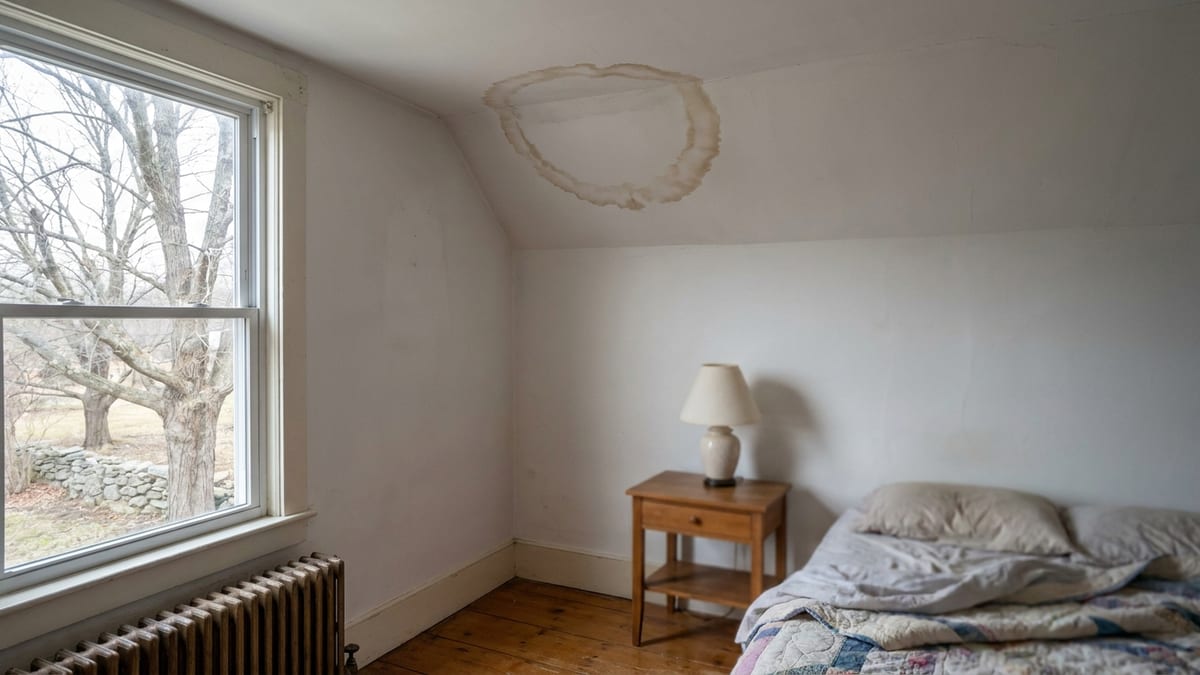
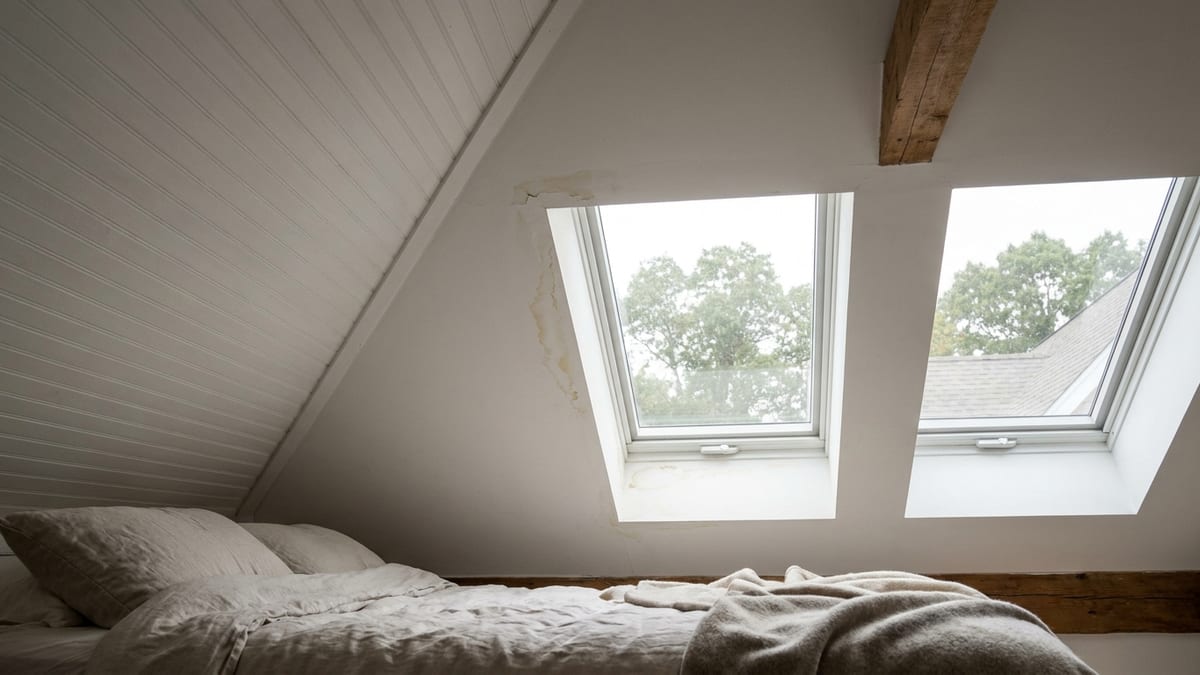
A ceiling stain from a roof leak usually follows rain and has a defined edge. Condensation spreads, returns in cold weather, and points to the attic instead.
Emergency roof tarping buys time, not a repair. Here is what drives the price in Connecticut, when a tarp is worth it, and when it is the wrong call.
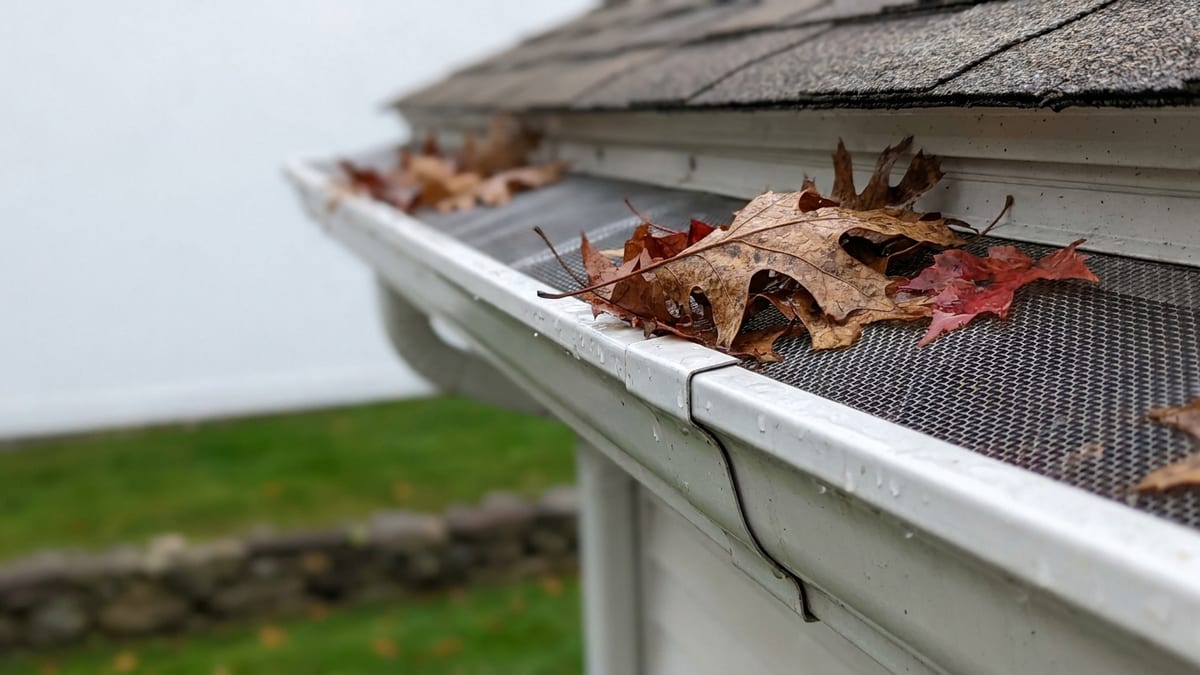
Gutter guards cut cleanings but do not stop ice dams. Here is what micro-mesh, screens and reverse-curve covers cost in Connecticut and when they pay off.
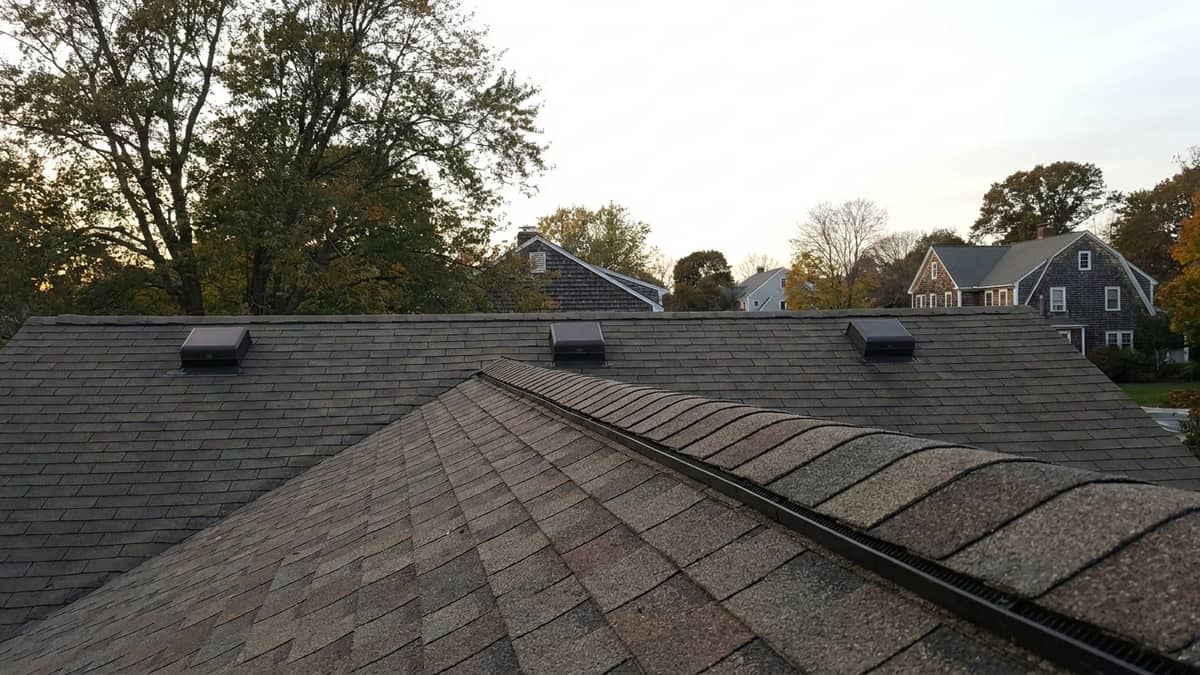
A continuous ridge vent usually outperforms box vents on a Connecticut roof, and costs less than most homeowners expect. Here is the math and the exceptions.
Synthetic underlayment resists tearing, lays flatter and stays usable longer than asphalt felt. Here is what changes on a Connecticut roof, and what does not.
A home inspector's roof section is a general overview, not a roofing assessment. Here is what to check on a Connecticut house before you close, and why.
Actual cash value pays the depreciated worth of your roof. Replacement cost pays to rebuild it, with recoverable depreciation released after the work is done.
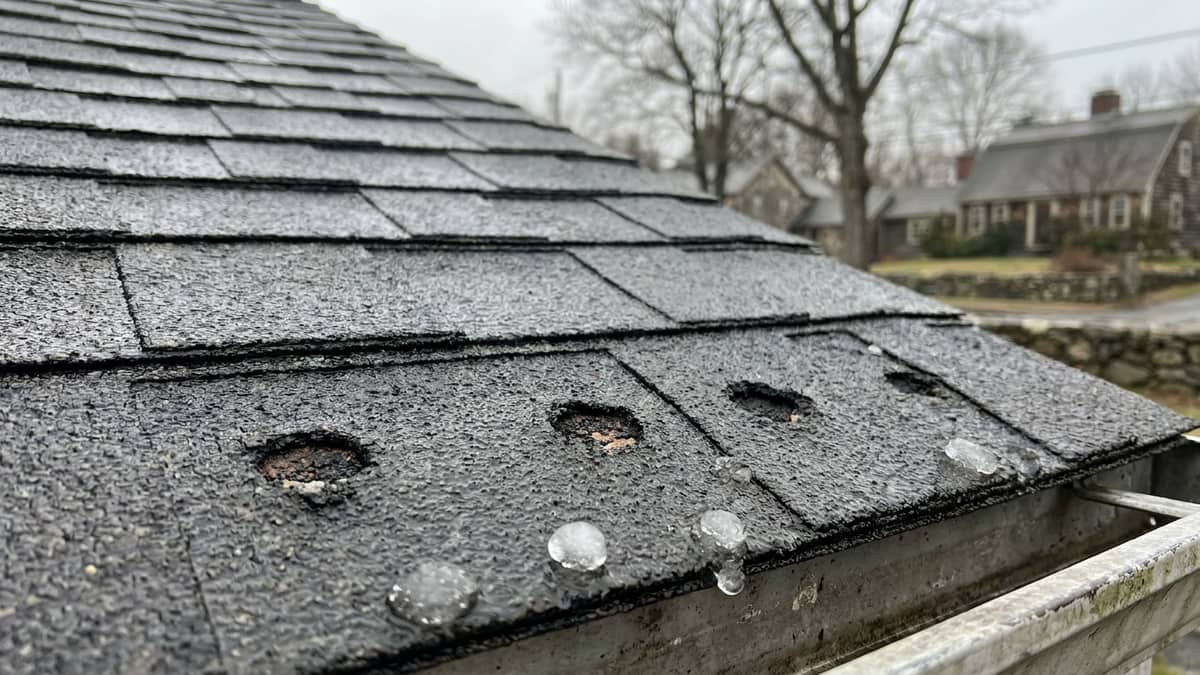
Hail bruises an asphalt shingle before it breaks it. Here is what a hail hit looks like on a Connecticut roof, where to check first, and what soft metal tells you.
Most Connecticut roof replacements take one to three days on site, and three to five on larger or complex roofs. Here is the full timeline, permit to inspection.
A roof replacement under a solar array adds a detach and reset charge, priced per panel by the solar company. Here is who does it and what to ask for.
Gutters do not have to be replaced with a roof, but drip edge and the fascia behind them are easiest to address while the eave is open. Here is how to decide.
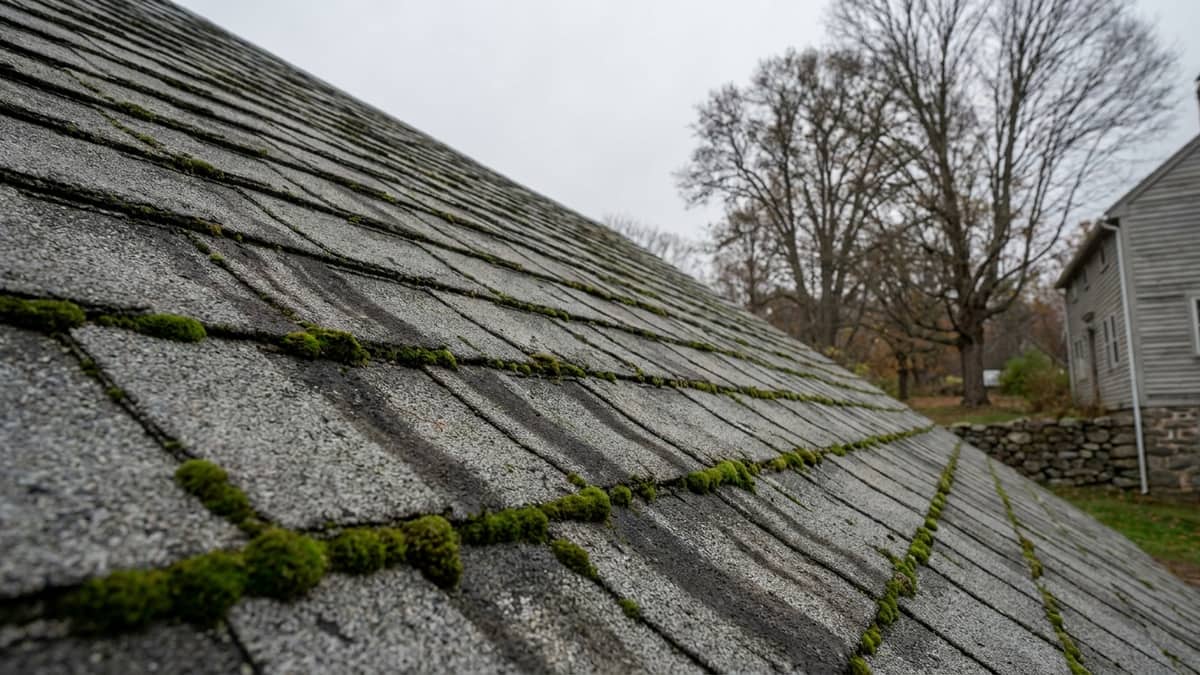
Black streaks on a Connecticut roof are algae, not rot. Here is when a proper cleaning is enough, when moss is doing real damage, and when the shingles are done.
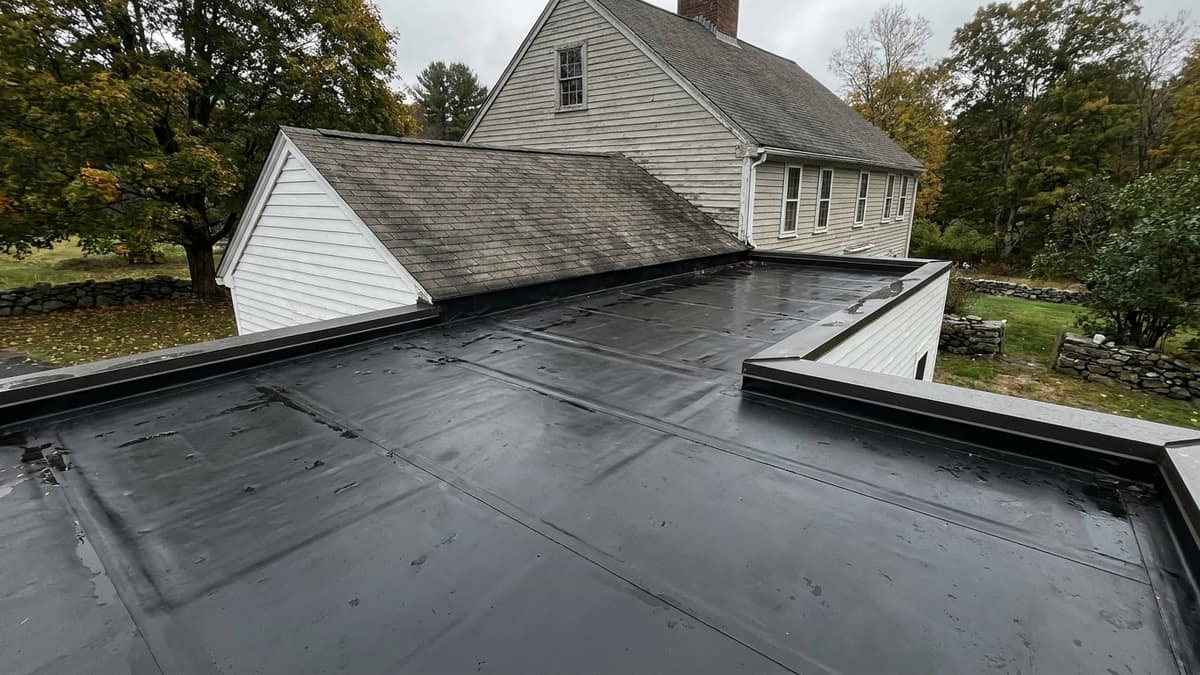
EPDM rubber and TPO both work on Connecticut porch and addition roofs. Here is what each costs, where seams fail, and which one suits a low-slope roof.
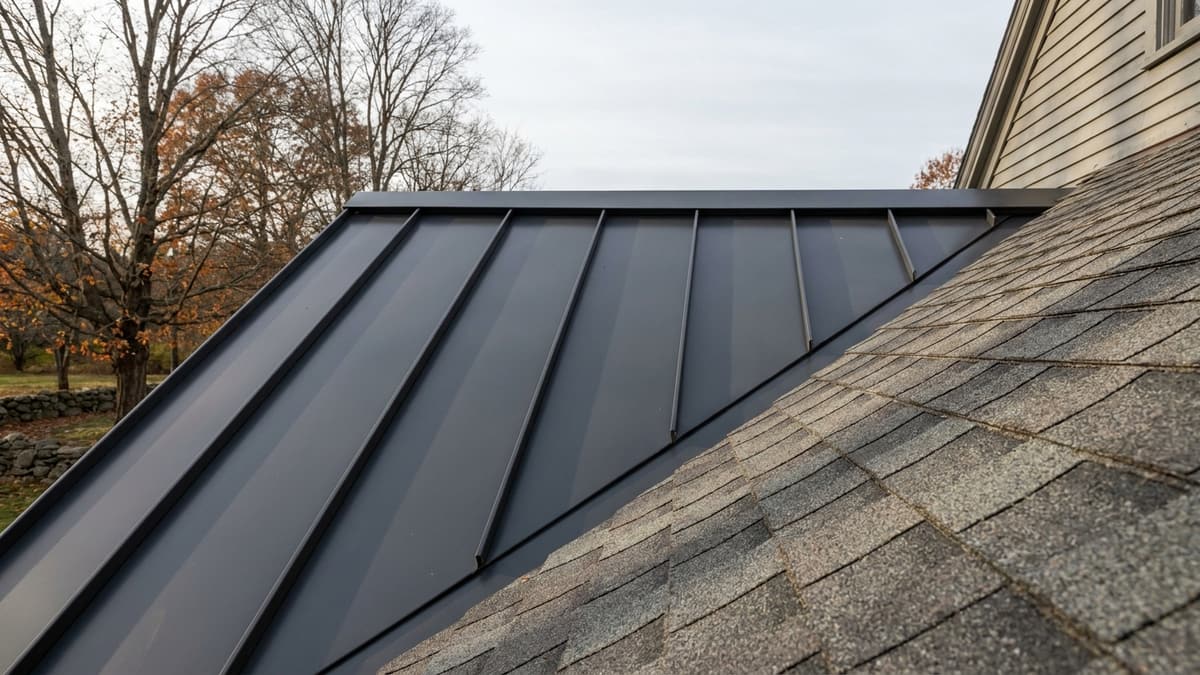
Metal roofing lasts 40 to 70 years and costs far more up front than asphalt. Here is how the two compare on cost, wind, snow and noise on a Connecticut home.
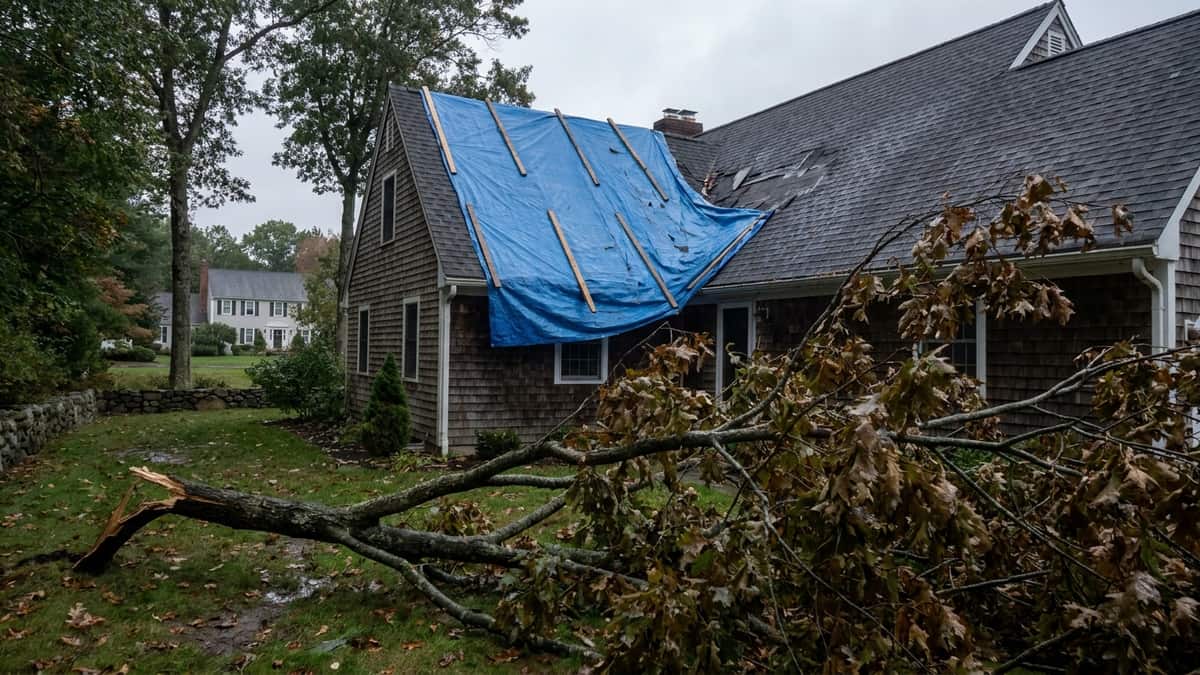
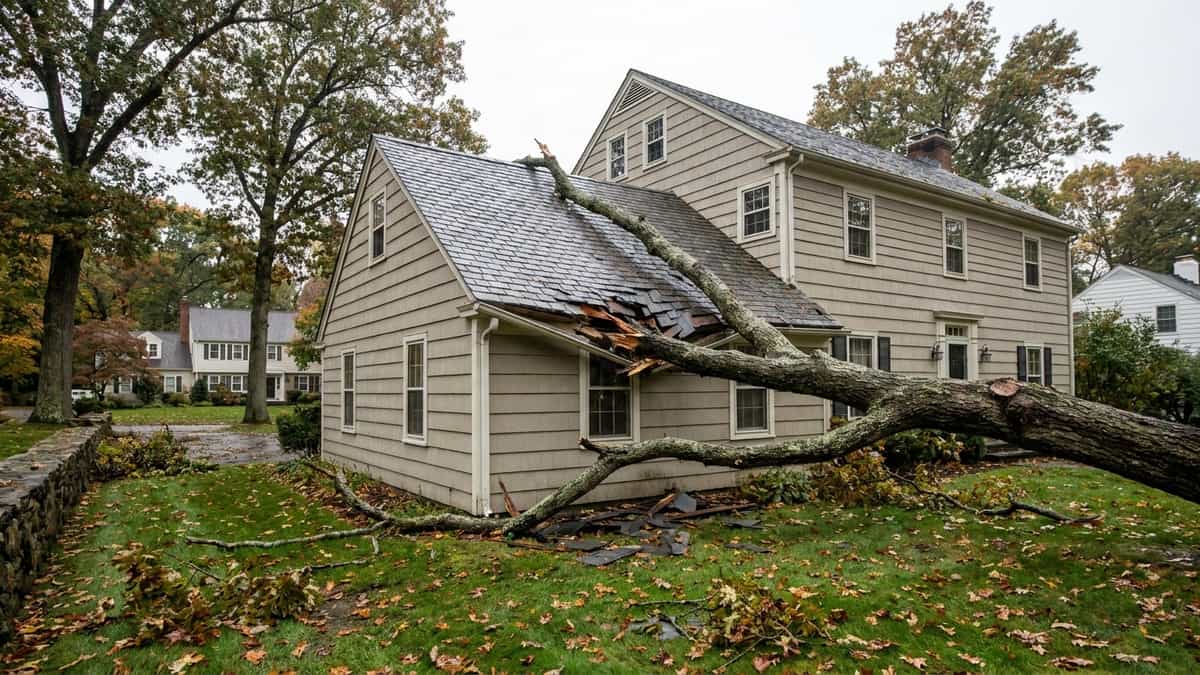
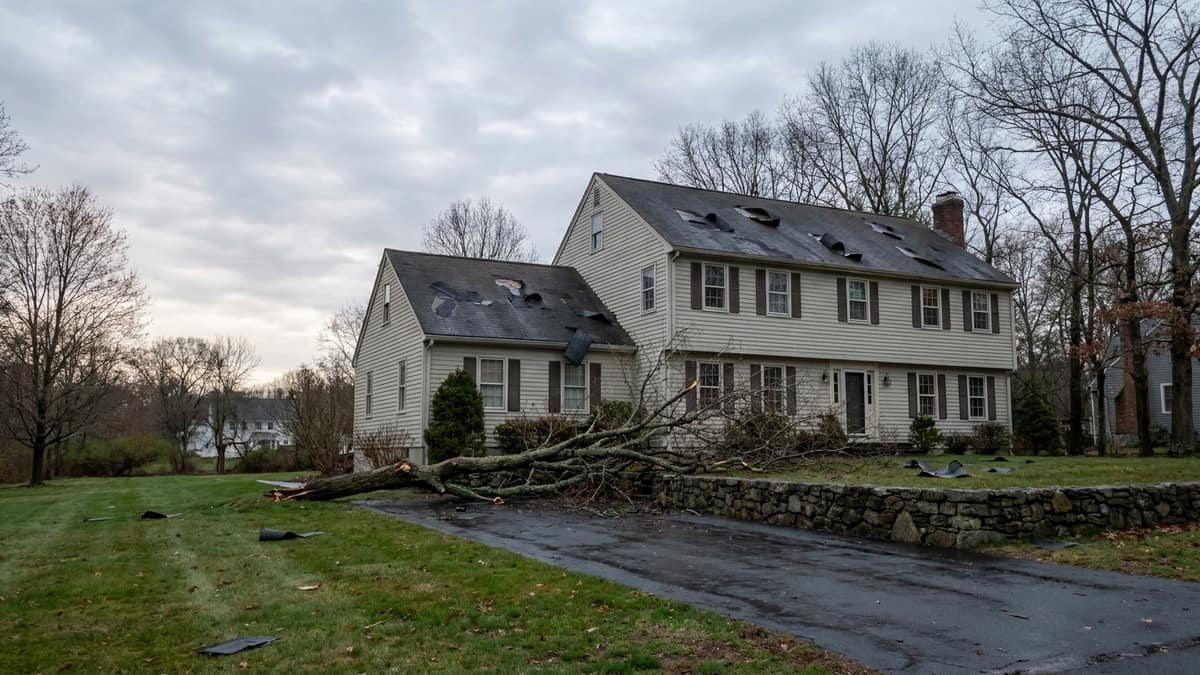
A tree on your roof is two jobs: removing the tree and repairing the structure under it. Here is the order things happen in Connecticut, and who pays for what.
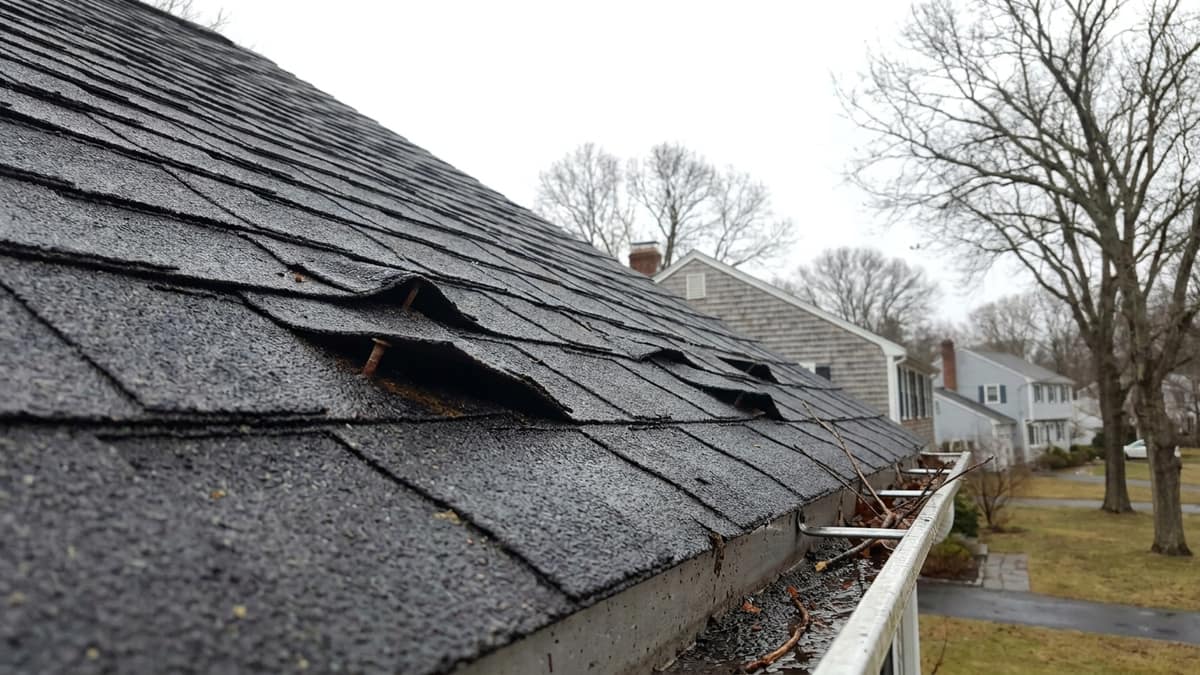
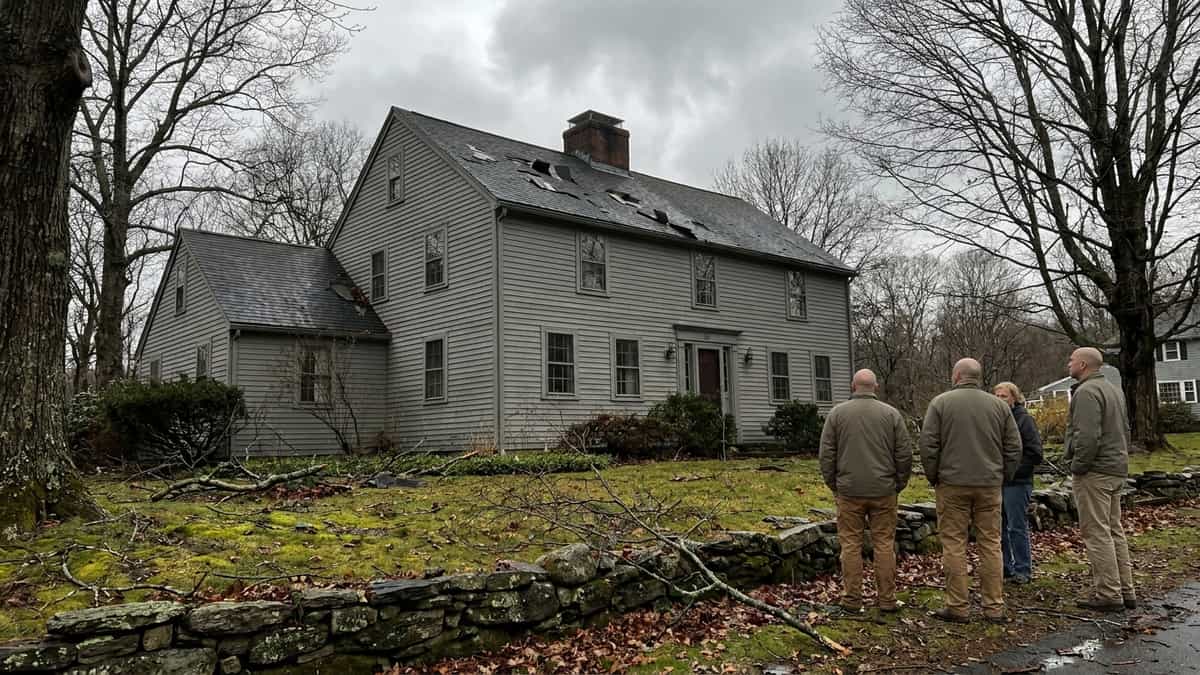
Wind damage shows as creased tabs, lifted seal strips and exposed nails in patterns. Normal wear shows as even granule loss and curling across the whole roof.
A lifetime shingle warranty covers materials, not labor, and prorates after an initial period. Here is what GAF, enhanced coverage and workmanship include.
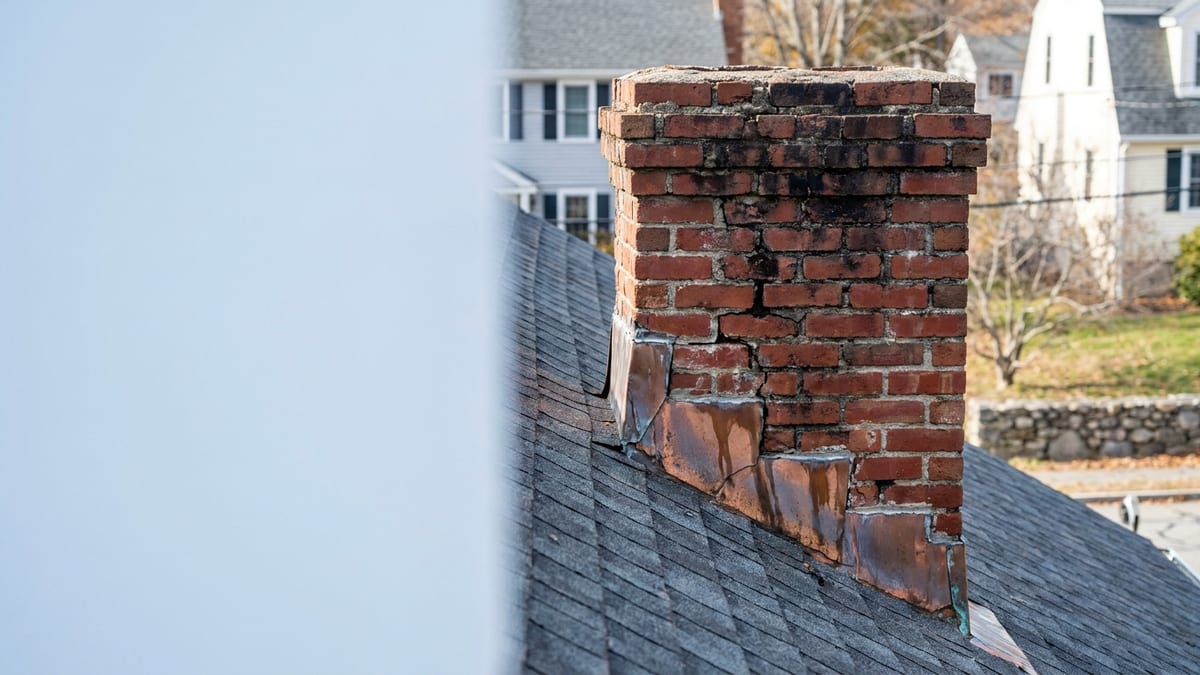
A chimney leak is usually flashing, not shingles. Here is how to tell whether a flashing repair solves it and when the age of the roof makes replacement smarter.
A roofing square is 100 square feet. Here is how to estimate your Connecticut roof's squares from the footprint and pitch, and why waste factor changes the count.
Ice and water shield belongs at the eaves, in valleys and around penetrations. What Connecticut code requires, where extra coverage pays, and where it does not.
Yes. Asphalt shingles can be installed in Connecticut winters, but they need above 40 degrees to seal on their own, so cold-weather work changes the details.
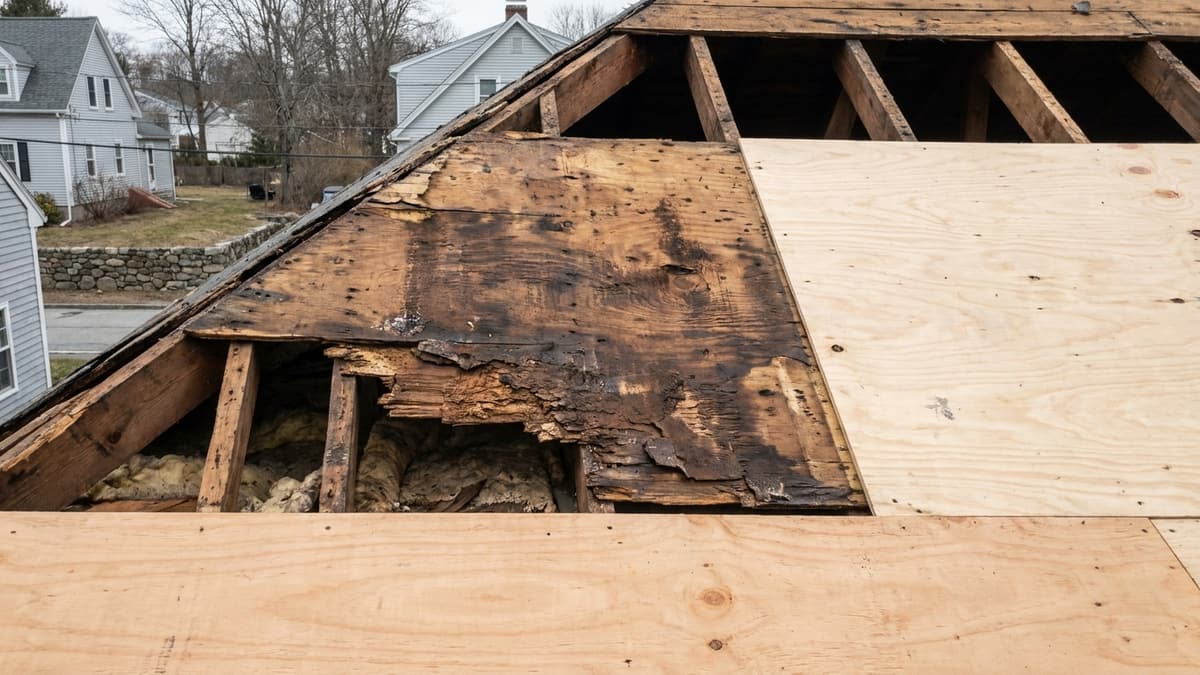
Roof decking replacement is priced per sheet and only found after tear-off. Here is what plywood costs to swap, why quotes vary, and how to read the allowance.
Replacing skylights during a roof replacement costs far less than doing it later. Here is when to swap them, when to keep them, and when to remove them entirely.
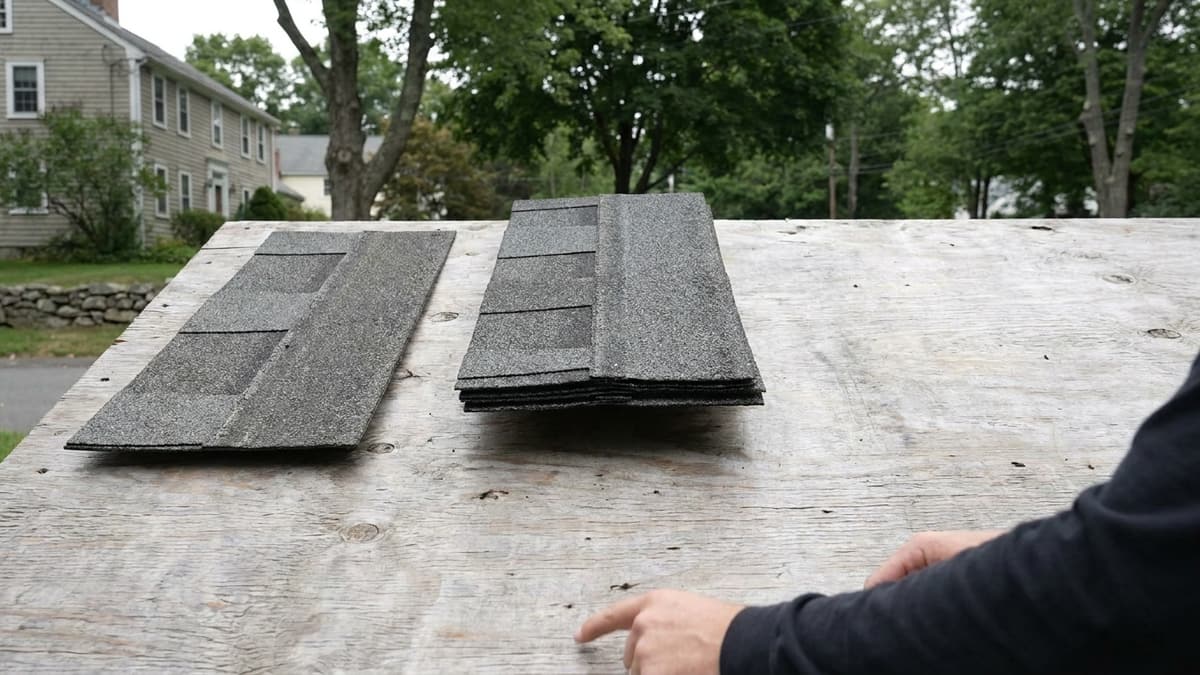
Three-tab shingles cost less up front and last 15 to 20 years. Architectural shingles last 25 to 30 and carry higher wind ratings. Here is when each makes sense.
Connecticut homeowners policies cover sudden storm damage, not wear. Here is how age, depreciation and the wind and hail deductible decide what you get paid.
A second layer of shingles costs less up front and is legal in Connecticut, but it hides the deck, shortens roof life and limits what a warranty covers.
Two similar Connecticut houses can get very different roof prices. Squares, pitch, layers, valleys, access and deck condition explain most of the gap.
After wind or hail, document the damage from the ground, keep receipts for temporary repairs, and get the roof assessed. The first steps for Connecticut homeowners.
Cedar shake runs $20,000 to $50,000 or more in Connecticut, lasts 30 to 40 years, and needs real maintenance. Here is when asphalt is the better buy instead.
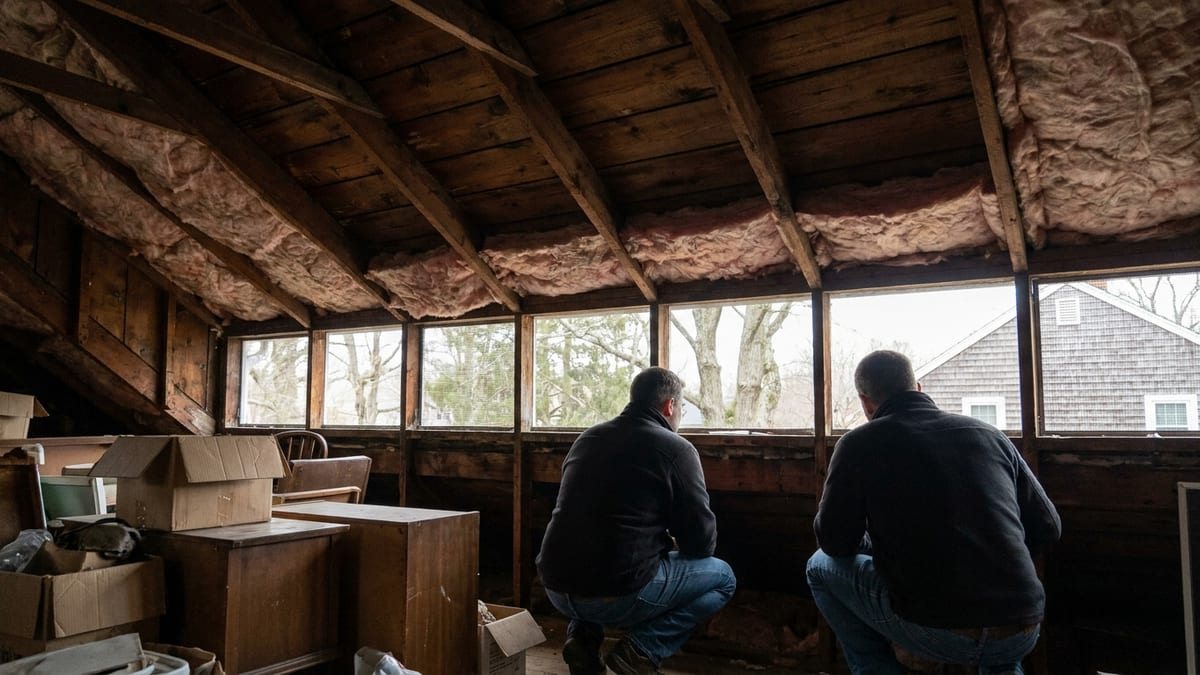
Intake at the soffit, exhaust at the ridge. When insulation blocks the intake, a hot attic cooks shingles from below and a new roof fails on the same schedule.
Two roofing prices are only comparable when both quotes specify the same work. Here is every line a Connecticut roofing quote should contain, and why.
Ice dams push water backward under shingles, which only shed water that keeps moving. Here is what ice and water shield covers, and why attic work is the real fix.
Not every leak means a new roof, and not every intact roof is fine. Here are the signals that decide it, and the ones contractors use to sell you the bigger job.
Yes, in every town we serve. Here is who pulls it, what gets inspected, and why siding and window replacements usually work differently from roofing.
Connecticut assigns every town a design wind speed and a ground snow load. Those two figures decide how your roof must be fastened and built. Here is yours.
Connecticut roof replacement runs about $8,000 to $30,000 for asphalt on a typical home. Here is what moves the number and how to compare quotes properly.
Book a free on-site estimate and one of our team will look at what you actually have, measure it, and put the number in writing.