Short answer
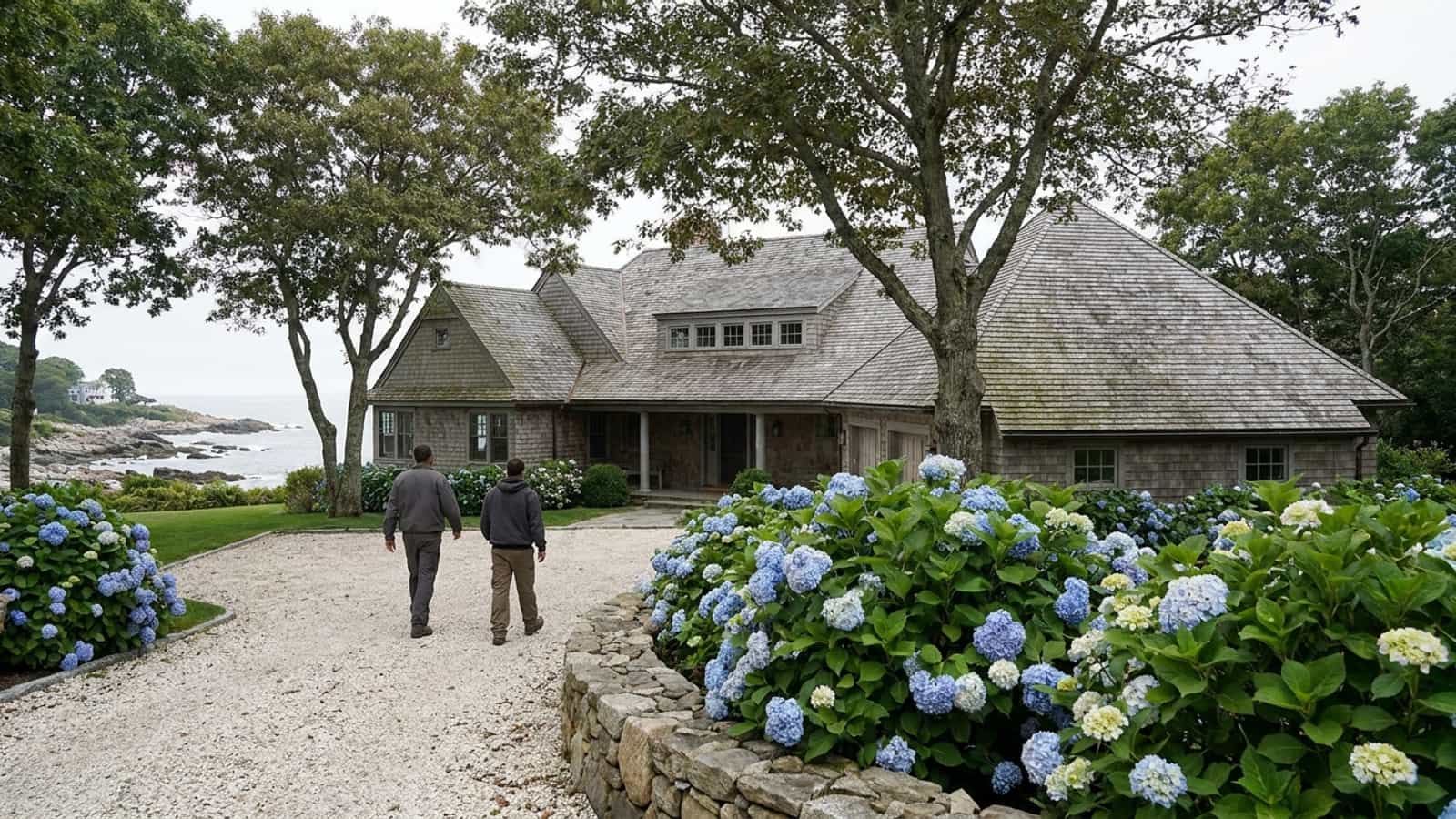
Sometimes. Cedar shake runs $20,000 to $50,000 or more in Connecticut and lasts 30 to 40 years with maintenance, so on a shingle-style or antique shoreline house whose detailing already suits wood, the cost is defensible. On a 1970s Colonial with a simple gable roof, architectural asphalt at $10,000 to $30,000 does the same job for less and asks nothing of you afterward.
On this page
Cedar shake is the right roof on a narrow set of houses and an expensive mistake on a wide set of others. The published Connecticut range is $20,000 to $50,000 or more, against $10,000 to $30,000 for architectural asphalt on a typical home. You are paying roughly double for an expected 30 to 40 years instead of 25 to 30, plus a maintenance obligation asphalt does not carry.
That trade only pencils out when the house itself argues for it.
What the numbers actually compare
| Material | Cost range | Lifespan | Maintenance |
|---|---|---|---|
| Material3-tab asphalt | Cost range$8,000-$15,000 | Lifespan15-20 years | MaintenanceNone |
| MaterialArchitectural asphalt | Cost range$10,000-$28,000 | Lifespan25-30 years | MaintenanceNone |
| MaterialCedar shake | Cost range$20,000-$50,000 | Lifespan30-40 years | MaintenanceOngoing cleaning and inspection |
| MaterialSynthetic slate | Cost range$25,000-$45,000 | Lifespan40-50 years | MaintenanceNone |
| MaterialNatural slate | Cost range$35,000-$75,000+ | Lifespan75-100+ years | MaintenanceMinimal, but specialized repairs |
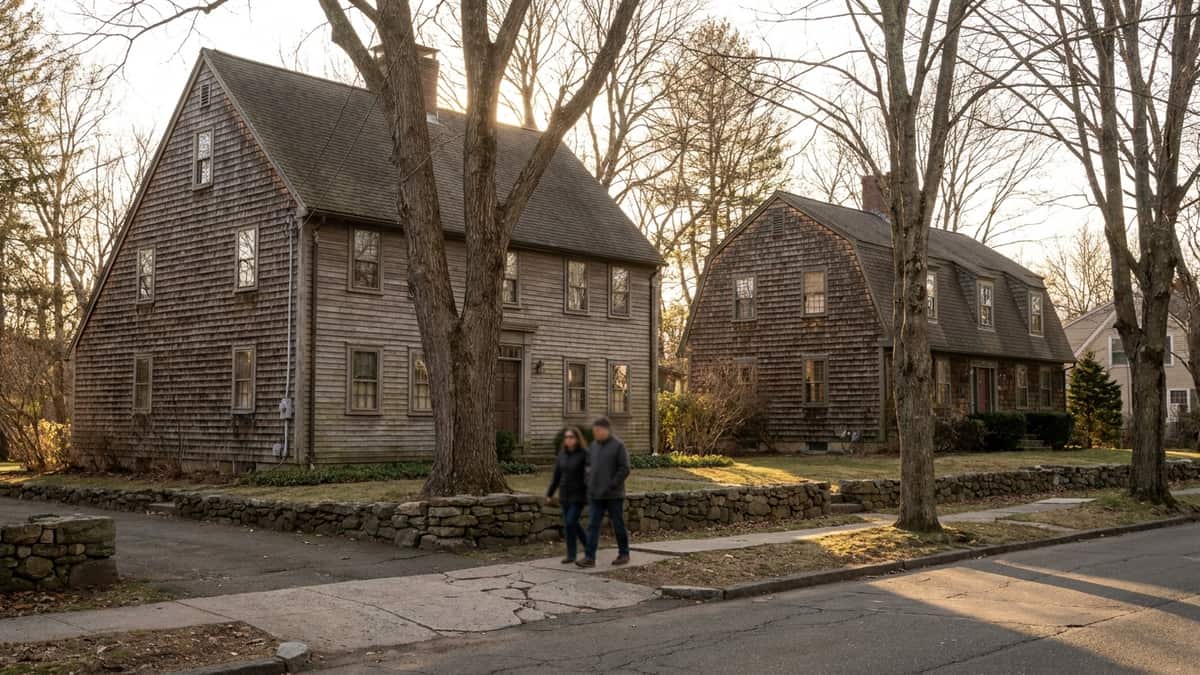
Read that table honestly and cedar does not win on cost per year. Asphalt at $18,000 over 28 years and cedar at $35,000 over 35 years land in the same neighborhood, and cedar adds recurring upkeep on top. If your reason for considering cedar is long-term value alone, the math does not support it. If your reason is that the house is a shingle-style, a saltbox, or an antique Colonial where an asphalt roof reads wrong from the street, that is a legitimate reason and worth the premium to the person who has to look at it.
Slate is the material where longevity genuinely justifies the spend, because 75 to 100 years spreads the cost over three or four asphalt cycles. Cedar is not that. Cedar is an appearance decision with a modest life advantage attached. There is more detail on the full material lineup on our roofing materials page.
What the shoreline does to a wood roof
Salt air is the specific variable in Guilford, Madison and the beach neighborhoods of Fairfield. It matters less than most homeowners expect for the wood and more than they expect for everything holding the wood down.
Fasteners and flashing are the weak point
Salt accelerates corrosion of metal fasteners and flashing. A cedar roof fastened with ordinary galvanized nails on a shoreline house can lose its fasteners while the shakes themselves are still sound, which produces shakes that lift and slip with no obvious cause. Shoreline cedar work should specify stainless or marine-grade fasteners and corrosion-resistant flashing at valleys, sidewalls, chimneys and every penetration. If a quote for a cedar roof in Guilford or Madison does not name the fastener metal, that is the first question to ask.
Shade, trees and debris
Wood dries. That is the whole basis of a cedar roof's durability. A shake roof under mature canopy on the north side of the house stays damp, holds needles and leaves in the keyways, and grows moss. Moss holds water against the wood and lifts the butt edges. This is the failure pattern that turns a 35-year roof into a 22-year roof, and it is entirely about site conditions rather than material quality.
Before committing to cedar, walk the property and look at how much of the roof stays wet into the afternoon. A heavily shaded roof plane is an argument against wood.
The wind number, and what it does and does not require
Appendix AY of the 2022 Connecticut State Building Code assigns Guilford, Madison and New Haven an ultimate design wind speed of 125 mph. That is higher than Greenwich, Stamford, Westport and Fairfield at 120 mph. Exposure to open water along the central shoreline drives the figure, not proximity to New York.
What that means in practice: the roof covering has to be installed to the manufacturer's fastening schedule for the town's design wind speed, and on asphalt that usually means six nails per shingle in a defined nail zone rather than four. On cedar it means the specified fastener type, length and placement for every course, with no substitutions. A wind rating that is not installed as specified is not a wind rating.
One thing it does not mean: the high-wind underlayment provision that kicks in above 110 mph is keyed to Vasd, the allowable stress design wind speed, which works out to roughly 93 to 97 mph in these towns. It is not keyed to the 125 mph Vult figure. Anyone telling you that a 125 mph town automatically triggers that requirement is reading the wrong column. The town figures and how they drive fastening are covered in more depth across our roofing service pages.
Ground snow load on the shoreline is 30 psf, the same as most of the towns we serve. Avon, Farmington and Simsbury are the 35 psf outliers, and they are inland.
The weight and deck question, answered honestly
The common warning is that cedar is too heavy for a house framed for asphalt. That is overstated. Dry cedar shakes and heavy architectural asphalt shingles are in a similar weight class, and the roof structure on a typical Connecticut house handles either. The real structural conversation belongs to natural slate, which is several times heavier and often needs an engineer's review before anyone orders material.
Where cedar does change the assembly is the deck. Wood roofs last longest when air can reach the underside of the shakes, which means either spaced sheathing or a ventilated mat over solid sheathing. Skipping that step to save a few hundred dollars traps moisture against the wood and shortens the roof's life by years. Two things follow from this:
- A cedar quote and an asphalt quote are not comparable line for line, because the cedar job includes a deck detail the asphalt job does not.
- If your existing roof is cedar over spaced sheathing and you are switching to asphalt, the sheathing has to be decked over first. That is real added cost and it belongs in the estimate rather than appearing as a change order.
Wet cedar does gain weight, and a shake roof carrying snow and holding water weighs more than the same roof dry. On a structure already sagging or previously modified, that is worth a look before you commit.
Maintenance you are actually signing up for
A cedar roof is not a maintenance-free product, and any presentation that suggests otherwise is selling rather than explaining.
- Clear valleys, keyways and gutters of leaves and needles at least twice a year.
- Keep tree limbs off the roof planes so the wood can dry.
- Treat moss and algae growth before it lifts the butt edges.
- Expect to replace individual split or slipped shakes periodically rather than all at once.
- Inspect flashing at chimneys and sidewalls, where salt-driven corrosion shows first.
None of that is difficult. All of it is a standing commitment for three or four decades. Homeowners who will not do it should not buy a cedar roof.
Historic districts can decide this for you
Under Connecticut General Statutes Sec. 7-147f(a), replacing a roof with similar materials in a local historic district does not require a Certificate of Appropriateness. Changing the material type does. On an antique house near the Guilford Green with an existing cedar roof, cedar to cedar proceeds without commission review, while cedar to asphalt is a material change and generally requires one. That timing difference is sometimes the deciding factor, and it is worth confirming with the town before you choose.
A building permit is required for roof replacement in every town we serve regardless of material, and only a registered Home Improvement Contractor can pull it for you.
The case for asphalt, stated plainly
Choose architectural asphalt if the roof is a straightforward gable or hip without ornamental detailing, if the house is postwar or later, if any roof plane sits under heavy shade, or if you are unwilling to maintain a natural material. You will spend less, the installation is faster, the wind fastening is well documented, and a 25 to 30 year service life on a shoreline house is a genuinely good outcome. Nothing about that is a compromise.
Choose cedar when the architecture demands it and you have priced the maintenance into the decision.
If you want a number for your own house rather than a range, request an estimate at /get-estimate. Someone comes out, measures the roof, looks at the deck and the flashing, and gives you a written itemized price for the options you are weighing.