Short answer
Homeowners insurance in Connecticut generally pays for sudden, accidental damage from a covered peril such as wind or hail, and generally does not pay for a roof that has simply worn out. Whether your policy settles at replacement cost or actual cash value, and what your separate wind or hail deductible is, usually matters more than whether the claim is approved at all. Both answers are printed on your declarations page, and it is worth reading before a storm rather than after one.
On this page
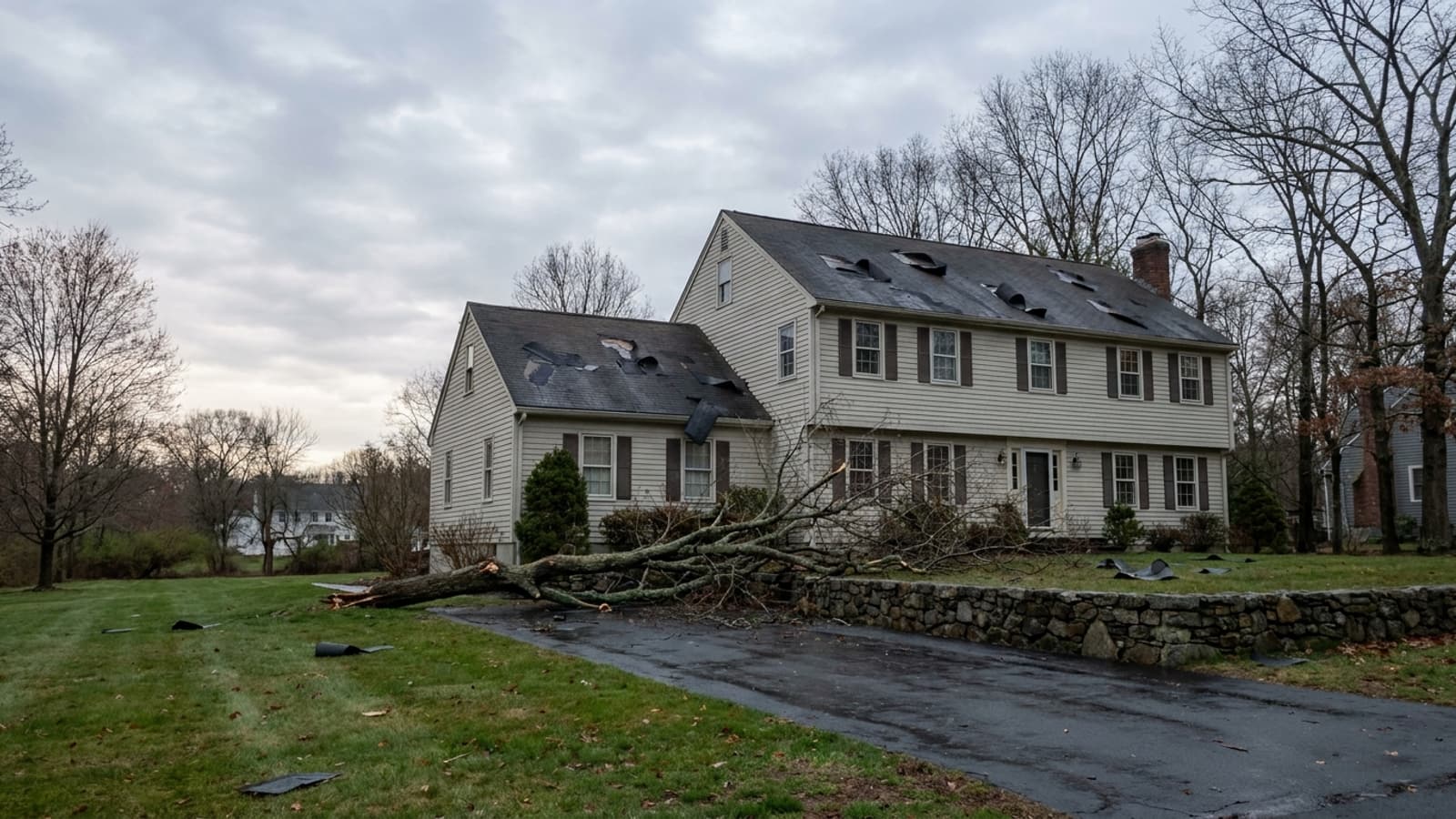
A homeowners policy is not a maintenance plan. It is a contract that pays for sudden, accidental damage from a listed peril, and it specifically excludes the slow decline of a building component. That single distinction explains most denied roof claims in Connecticut. A roof stripped of shingles by an August wind event is a claim. A roof whose shingles curled and lost granules over twenty-two years is a purchase.
The more useful question is not whether a claim will be approved. It is how much of the roof the policy pays for once depreciation and your deductible are applied, and that is decided by two lines on your declarations page.
The line insurers draw
Standard policies list covered perils. Wind, hail and falling objects such as tree limbs are on that list in most forms. Wear and tear, deterioration, latent defect, faulty workmanship and rot are excluded in every one of them.
What is typically paid
- Shingles torn off or creased by a wind event, where the mat is broken and the shingle will not reseal.
- Hail bruising that fractures the mat and displaces granules in a random pattern.
- Puncture or structural damage from a fallen limb.
- Interior damage that followed the opening in the roof, including ceilings and insulation.
What is typically denied
- Widespread granule loss with no impact pattern.
- Curling, cupping and blistering, which usually trace back to heat in the attic rather than weather.
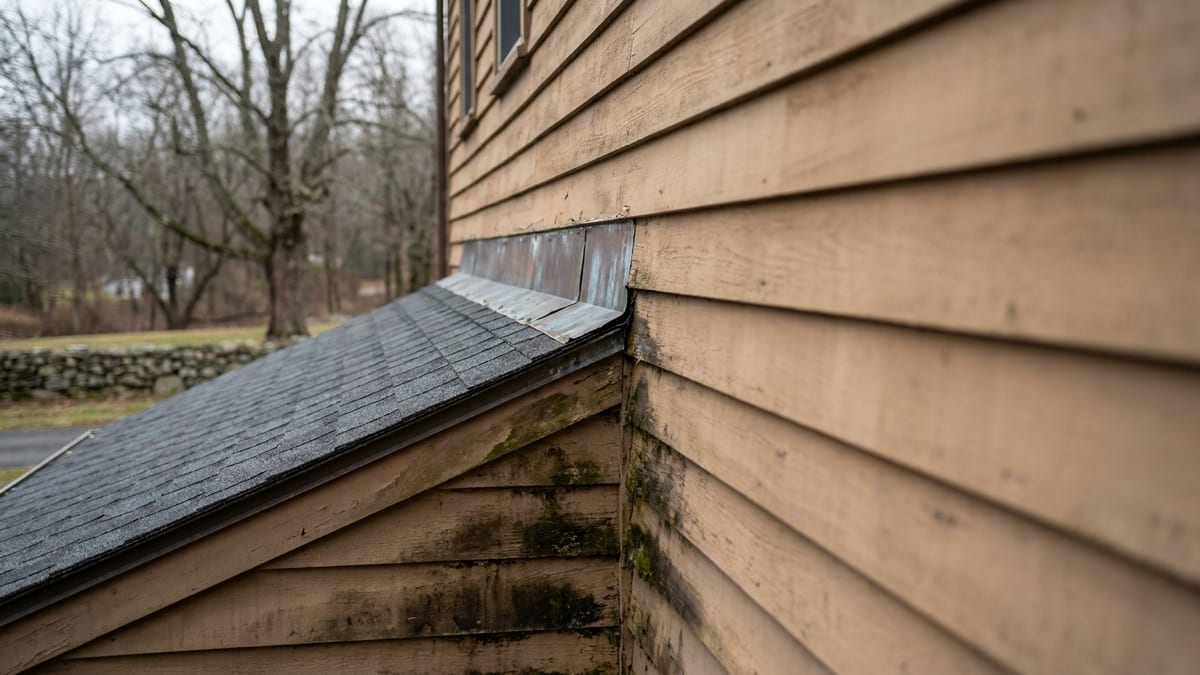
- Leaks at flashing and chimney counterflashing that have been active for years.
- Deck rot found during tear-off, unless it is the direct result of the covered event.
An adjuster is trained to sort damage into those two buckets. So is a competent roofer. When both look at the same slope and disagree, the disagreement is almost always about whether the shingle failure was caused by the event or revealed by it.
Replacement cost or actual cash value
This is the number that decides the size of the check, and many homeowners do not know which one they have until they file.
| Settlement basis | How it pays | What it means on a 20-year-old roof |
|---|---|---|
| Settlement basisReplacement cost (RCV) | How it paysPays the cost to replace, usually in two parts | What it means on a 20-year-old roofFirst check is the depreciated amount, the holdback is released once the work is completed and invoiced |
| Settlement basisActual cash value (ACV) | How it paysPays replacement cost minus depreciation, permanently | What it means on a 20-year-old roofA large share of the roof's value has already been depreciated away and is never recovered |
| Settlement basisRoof surfacing payment schedule | How it paysAn endorsement that reduces payment by roof age | What it means on a 20-year-old roofA schedule may pay a set percentage at a given age regardless of the rest of the policy |
Policies covering older roofs increasingly carry a roof surfacing payment schedule or a wind and hail exclusion for the roof covering specifically. These are endorsements, listed by form number on the declarations page. They are not hidden, but they are easy to overlook.
The deductible you may not know you have
Many Connecticut policies carry a separate windstorm or hurricane deductible, expressed as a percentage of the dwelling coverage rather than a flat dollar figure. It is common on the shoreline and not unusual inland. On a dwelling limit of $500,000, a 2 percent wind deductible is $10,000, and a 5 percent deductible is $25,000.
Given that a typical Connecticut asphalt roof runs roughly $8,000 to $25,000 and architectural shingles $10,000 to $30,000, a percentage deductible can consume the entire claim. Some of these deductibles are triggered only by a named storm; others apply to any wind event. The trigger language is in the policy, and it is worth knowing which one you have before hurricane season rather than during it.
Code and manufacturer requirements the policy may not fund
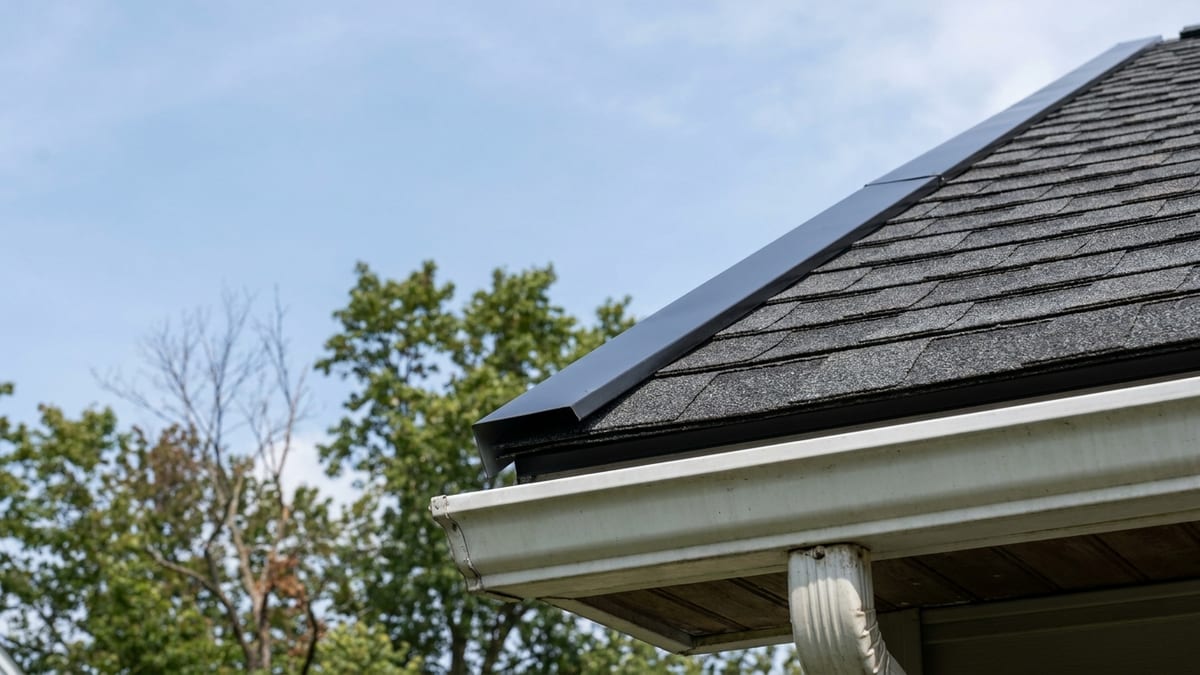
A roof replacement requires a building permit in every town we serve, and the finished assembly has to meet the current code, not the code that applied when the old roof went on. That can mean ice and water shield at the eaves, proper drip edge, and a fastening pattern that earns the shingle's wind rating.
That last item matters here. Appendix AY of the 2022 Connecticut State Building Code assigns Guilford, Madison and New Haven an ultimate design wind speed of 125 mph, higher than Greenwich, Stamford, Westport and Fairfield at 120 mph. Most manufacturers require six nails per shingle in a defined nail zone rather than four for their high-wind coverage. It is a warranty condition regardless of who is paying. One thing worth stating plainly, because it is often misstated in claim documents, is that the high-wind underlayment attachment trigger in the code is keyed to Vasd, which works out to roughly 93 to 97 mph in these towns, so it is not triggered by the 120 or 125 mph Vult figure.
Whether the policy contributes toward code-driven items depends on ordinance or law coverage. If the declarations page shows it, there is a sublimit. If it does not, those line items are yours.
When filing is the wrong move
This is the part rarely said out loud by anyone with something to sell.
- The damage is under or near the deductible. A claim for eight missing shingles on a $5,000 deductible accomplishes nothing except putting a claim on your record.
- The roof is near the end of its life anyway. On an ACV settlement for a twenty-five-year-old roof, the check may cover a fraction of the job. Replacing it as a planned expense, on your schedule, often produces a better roof for a similar out-of-pocket number.
- The real cause is ventilation or flashing. Those are excluded, and an inspection that identifies them saves you a denied claim.
A free inspection should tell you which of these applies. If a repair solves the problem, that is what should be recommended.
What a contractor should and should not do
A roofer can climb the roof, photograph and mark damage, provide a detailed written estimate broken out by line item, and be on the roof when the adjuster is. That is legitimate and useful, and it is the work described on our storm damage page and in our roof inspections.
What a roofer should not do is adjust your claim, promise an approval, or offer to make your deductible disappear. The deductible is your contractual share of the loss, and a price built to hide it is a misstatement of the job's cost.
Documentation that helps
- Date and, if you have it, the storm name or reported wind speed for the event.
- Photographs taken from the ground the day of the event, before any tarping.
- Photographs of interior damage before cleanup.
- Receipts for emergency measures, which most policies reimburse.
- The age of the roof and any prior repair invoices.
- A written, itemized contractor estimate with the fastening pattern and underlayment specified.
If the roof is already leaking, the immediate steps come first, and we covered those separately in what to do first after storm damage.
Getting a number you can compare
Whether a claim is in play or not, the decision is easier with a real price in front of you. We inspect roofs across the 15 Connecticut towns we serve, from the shoreline through the Farmington Valley. If you want a written figure, request an estimate and someone comes out, gets on the roof, measures it, and gives you an itemized price you can hold next to the insurer's scope. It is a sales appointment, and you are free to take the paperwork and think about it.