Short answer
Most residential roof replacements in Connecticut are finished in one to three days on site, with larger homes or roofs full of dormers, valleys and steep pitches running three to five. The part homeowners underestimate is everything before the crew arrives, because material ordering, scheduling and the town building permit usually add one to several weeks. Weather is the only variable nobody controls, and shingles need temperatures above 40 degrees to seal properly.
On this page
Most residential roof replacements in Connecticut take one to three days on site. Larger homes, or roofs carrying multiple dormers, deep valleys and steep pitches, run three to five. That is the answer to the question people actually ask, and for a straightforward asphalt reroof it holds up well.
The schedule that surprises people is the one before anyone sets a ladder against the gutter. Between signing a contract and hearing the first shingle bundle hit the roof, you are usually looking at weeks, and most of that time is permit, material and calendar rather than labor.
The days the crew is actually on your house
Here is what a typical tear-off and reroof looks like on a Connecticut home, assuming decent weather and a crew large enough to keep pace.
| Stage | What happens | Typical time |
|---|---|---|
| StageSetup | What happensDumpster placed, ground and landscaping protected, ladders and staging set | Typical time1 to 2 hours |
| StageTear-off | What happensOld shingles, underlayment and nails removed down to the deck | Typical timeHalf a day to a full day |
| StageDeck inspection | What happensSheathing checked for soft spots and rot, bad sheets replaced | Typical time1 to 3 hours |
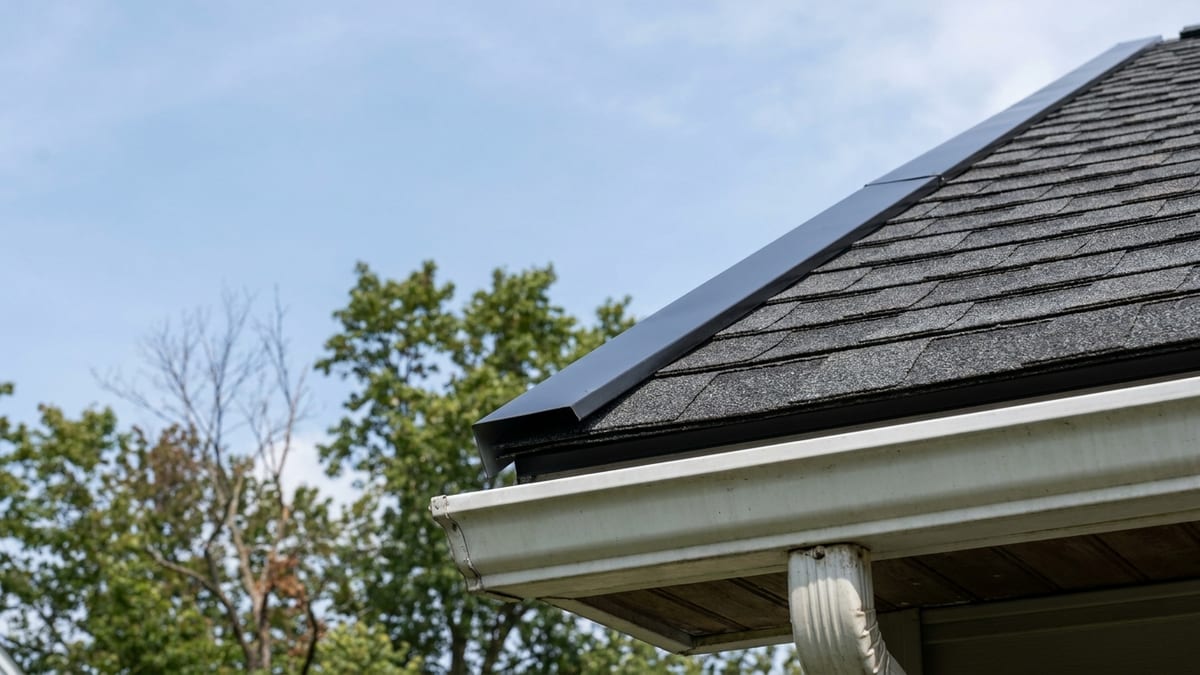
| StageDry-in | What happensIce and water shield at eaves and valleys, underlayment, drip edge | Typical timeSeveral hours |
| StageShingles | What happensStarter course, field shingles, flashing, ridge vent and cap | Typical time1 to 2 days |
| StageCleanup and walkthrough | What happensMagnet sweep, debris removal, final review with the homeowner | Typical time2 to 3 hours |
On a small ranch or cape with one or two simple slopes, the whole sequence collapses into a single long day. On a 1920s colonial in West Hartford with three dormers, a porch roof and two chimneys, the same sequence spreads across three or four.
What actually drives the number of days
Size, measured in squares
Roofing is priced and scheduled by the square, meaning 100 square feet of roof surface. A 1,500 square foot single-story home might have 18 to 22 squares once pitch is accounted for. A large colonial can carry 40 or more. Crew output per day is fairly predictable, so doubling the squares roughly doubles the days.
Pitch and access
A walkable pitch lets a crew move material and work quickly. A steep pitch requires roof jacks, planking and slower movement, and it can cut daily production substantially. Access matters just as much. A house where the dumpster sits ten feet from the eave loses far less time than one where every bundle and every shovel of debris travels across a long yard.
Complexity
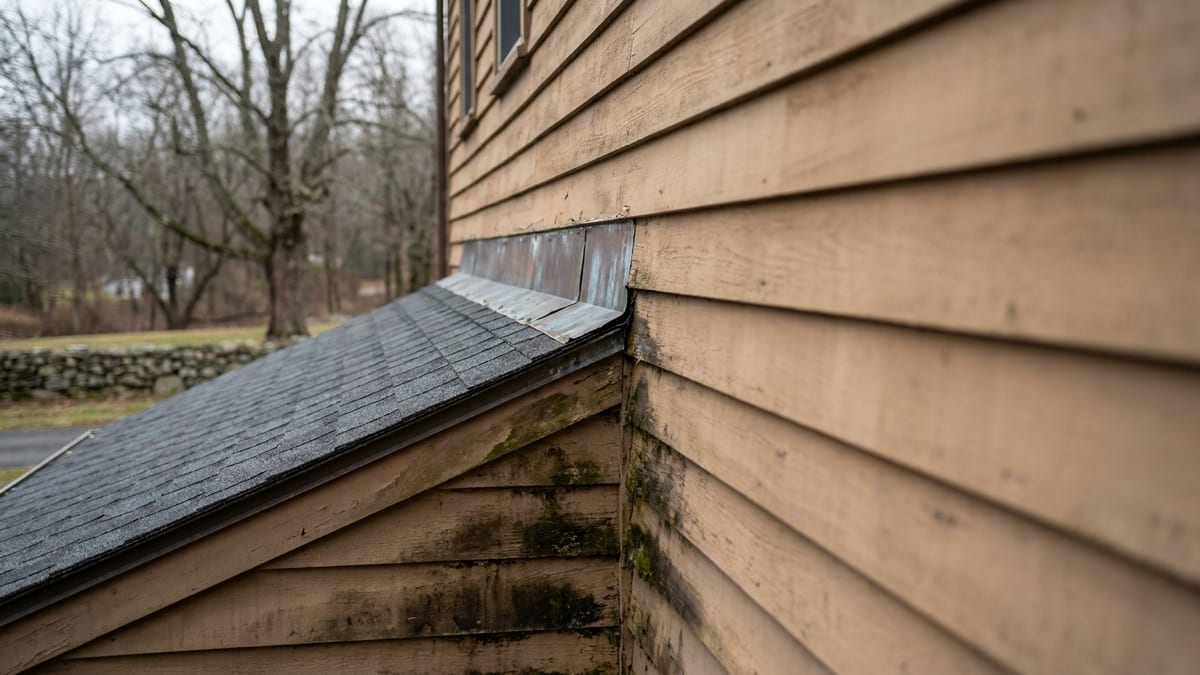
Valleys, dormers, skylights, chimneys, sidewall transitions and multiple roof planes all take hand work. Flashing details are where a roof leaks, so they are not the place to speed up. Two houses with identical square footage can differ by a full day purely on cut and flash time.
Layers
A roof with two existing layers takes noticeably longer to strip and fills the dumpster twice as fast. On older stock in places like Manchester, where a lot of post-war roofs have been covered rather than replaced, an extra layer is common enough that it belongs in the conversation before the contract is signed.
What is under the shingles
Deck condition is the one real unknown. Spot-replacing a few sheets of plywood is quick. Finding a whole slope soft from years of a slow leak is not, and it adds both time and cost. A quote that names a per-sheet price for replacement decking is telling you the contractor expects to be honest with you on the day rather than negotiating from the roof.
Fastening requirements
Every town we serve sits in a designated hurricane-prone region, with an ultimate design wind speed of 120 mph, or 125 mph in Guilford, Madison and New Haven. To earn the high-wind rating printed on the wrapper, most manufacturers require six nails per shingle in a defined nail zone instead of four. That is fifty percent more fasteners across the entire roof. It is real time, and it is time worth paying for.
The weeks before the crew arrives
Estimate and material selection
Someone comes out, measures the roof, looks at the attic and ventilation, and gives you a written price. Color and product selection follow. This stage moves at whatever speed you decide to move.
Permit
A building permit is required for roof replacement in every town we serve, and only a registered Home Improvement Contractor can pull it on your behalf. Turnaround varies by department. Some suburban building departments turn permits around in a few days, while busier urban departments take longer. We cover the mechanics in detail in our post on roof permits in Connecticut, including who is allowed to apply.
Scheduling
This is the piece nobody can compress. September and October are the busiest months of the Connecticut roofing year, and a significant storm anywhere in the state pulls crews onto emergency work and pushes every calendar back. Booking in late spring or midsummer generally gets you a nearer date than booking in October.
Weather, and why it is not a stalling tactic
Asphalt shingles rely on a heat-activated seal strip to bond course to course. Below roughly 40 degrees that seal does not set reliably until the weather warms, which is why late spring through fall is the preferred window. Rain is the other constraint, and not only during work. Shingles cannot be installed over a wet deck, so a soaking Tuesday can cost Wednesday morning as well.
A contractor who moves your date because of weather is protecting the roof. One who nails shingles onto damp sheathing to stay on schedule is not.
The case against rushing
There is a version of speed that costs you money. A crew large enough to strip and reshingle a complex roof in one day is a crew that is moving fast around flashing details, valley cuts and nail placement. If you are choosing between two bids and one promises a full day less on a complicated roof, ask what the crew size is and how the flashing is being handled, not just when they finish.
The stages that determine whether the roof lasts 25 years are the least visible ones: deck repair, ice and water shield coverage at the eaves, correct drip edge, proper nail count, and balanced ventilation at the ridge and soffit. None of those photograph well and all of them take time. Our full roofing services page walks through the sequence we follow, and the process section lays out each step in order.
What your week looks like as the homeowner
- Noise. Tear-off is loud, and it is loud directly above your ceilings. Plan around it if you work from home.
- Vibration. Pictures and light fixtures can shift. Take anything fragile off the walls of the top floor.
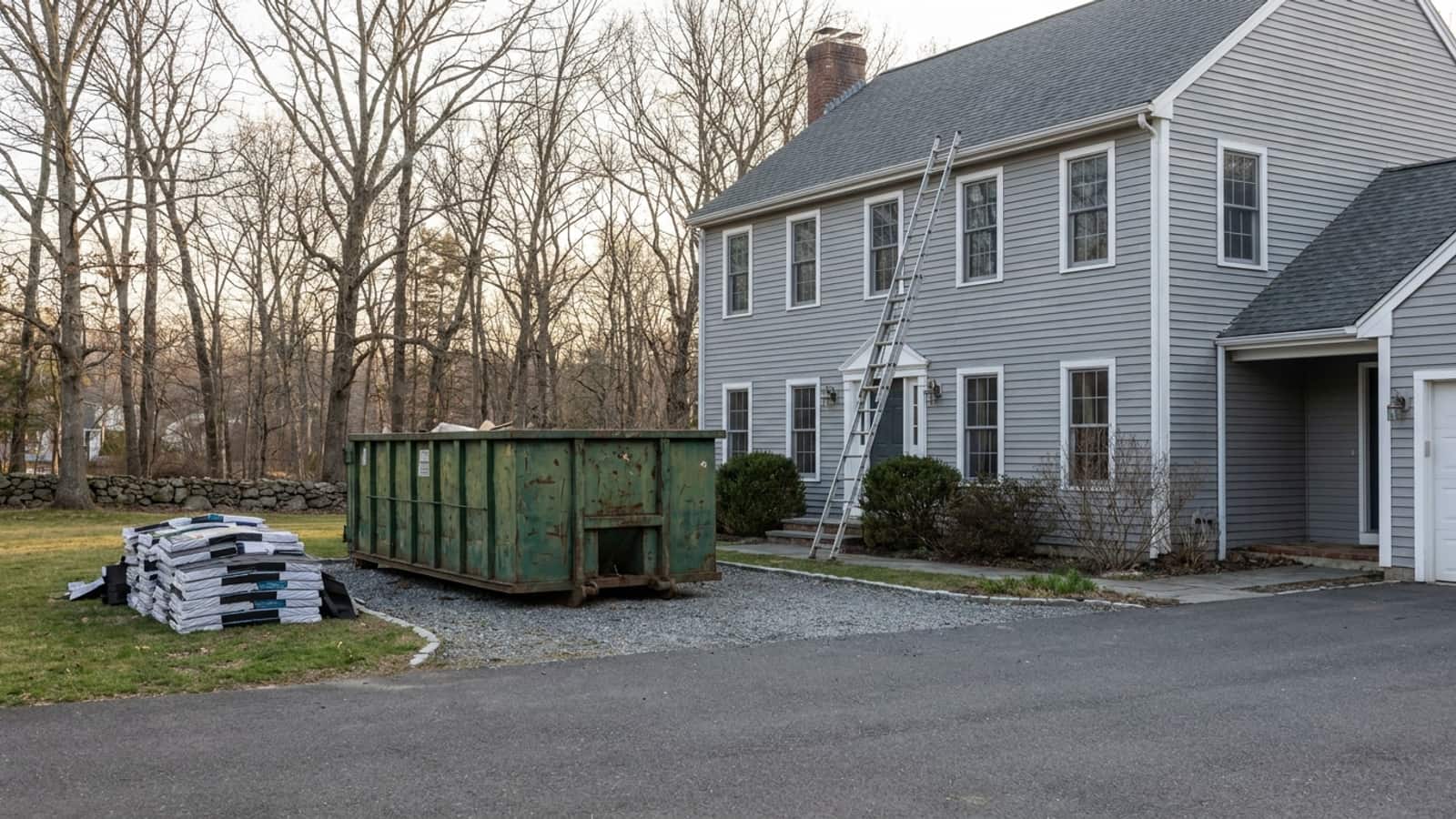
- Parking. The dumpster needs the driveway or the street, and the crew needs room to stage bundles.
- Attic and garage. Dust and debris fall through deck gaps. Cover what you care about.
- Pets. Keep them inside and away from the work area for the duration.
You do not need to be home while the work happens. Most people want to be there for the final walkthrough, when the crew reviews the finished roof and the cleanup with you. The town inspection follows the permit, usually within days of completion.
Getting a realistic date for your house
The honest answer to how long your roof will take is a number someone gives you after measuring it, counting layers, looking at pitch and access, and checking the attic. A guess over the phone is a guess. If you want one for your house, request an estimate and we will come out, measure, and give you a written price along with a realistic install window based on the current permit and material timeline for your town.