Short answer
Middletown and Glastonbury are governed by the same two code figures, a 120 mph ultimate design wind speed (Vult) and a 30 psf ground snow load under Appendix AY of the 2022 Connecticut State Building Code. What differs is the housing stock and the approval path, since Glastonbury adds an HOA and historic district layer near the Town Green while Middletown's older river corridor homes more often hide repairs behind the old siding. Roof replacement requires a building permit in both towns, and a like-for-like siding job usually does not.
On this page
Middletown and Glastonbury sit a few miles apart along the Connecticut River corridor, in different counties, with different building departments. For the purposes of a roof or a siding job, the surprising part is how much the two towns have in common on paper and how much they diverge once you walk up the driveway.
This post covers both, because homeowners in the two towns ask the same questions and get the same two code numbers, and because the real differences are in the houses rather than in the rulebook.
The two code numbers are identical in both towns
Appendix AY of the 2022 Connecticut State Building Code assigns every municipality an ultimate design wind speed (Vult) and a ground snow load (pg). Those two figures drive how a roof covering has to be fastened and how the structure has to carry load.
| Town | County | Design wind speed (Vult) | Ground snow load (pg) |
|---|---|---|---|
| TownMiddletown | CountyMiddlesex | Design wind speed (Vult)120 mph | Ground snow load (pg)30 psf |
| TownGlastonbury | CountyHartford | Design wind speed (Vult)120 mph | Ground snow load (pg)30 psf |
| TownAvon | CountyHartford | Design wind speed (Vult)120 mph | Ground snow load (pg)35 psf |
| TownGuilford | CountyNew Haven | Design wind speed (Vult)125 mph | Ground snow load (pg)30 psf |
Both towns are 120 mph and 30 psf. Both sit inside a designated hurricane-prone region, which is true of every town we serve. Neither carries the 35 psf snow load that Avon, Farmington and Simsbury do, and neither carries the 125 mph wind speed assigned to the central shoreline towns of Guilford, Madison and New Haven.
What the wind number does and does not trigger
A common misread deserves correcting here. The high-wind underlayment provision that some contractors cite is keyed to Vasd, the nominal design wind speed, not to Vult. In this part of Connecticut Vasd works out to roughly 93 to 97 mph, which is below the 110 mph threshold, so that provision does not apply in Middletown or Glastonbury. Anyone quoting a premium underlayment package on the grounds that the code forces it at 120 mph is describing the wrong number.
What the wind figure does affect is fastening. Shingles earn their published wind ratings only when installed the way the manufacturer specifies, and for high-wind coverage that usually means six nails per shingle placed in a defined nail zone instead of four. That is a labor and material difference, and it belongs in writing on the estimate.
What actually differs is the housing stock
Middletown
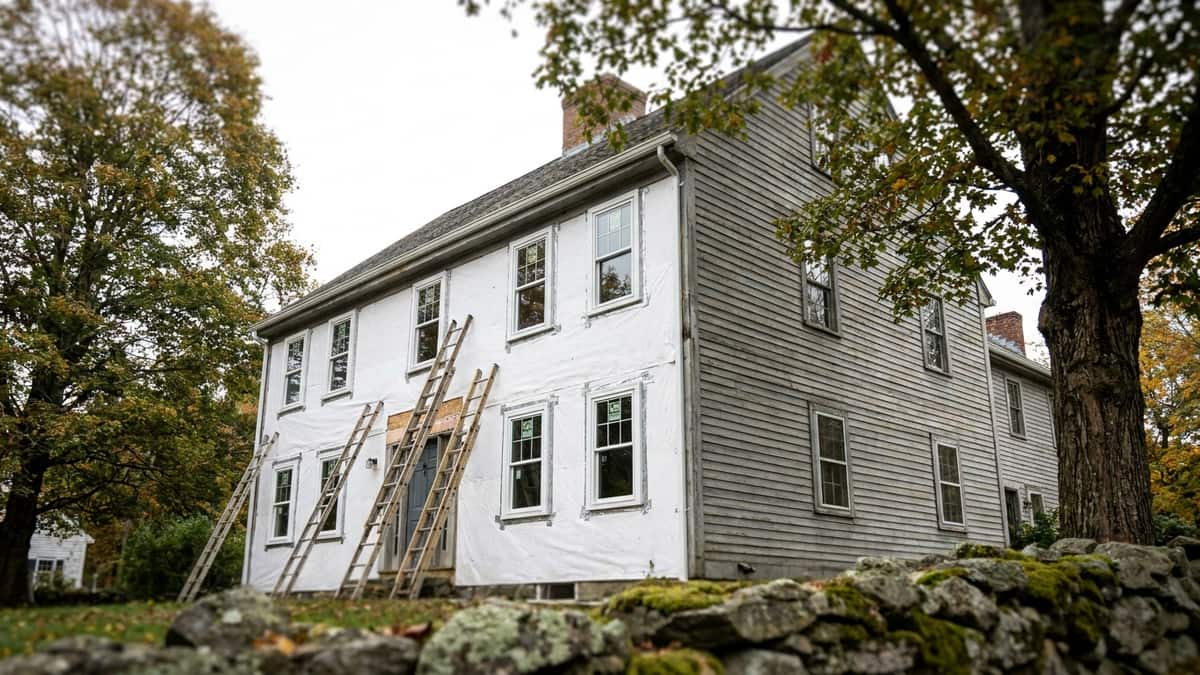
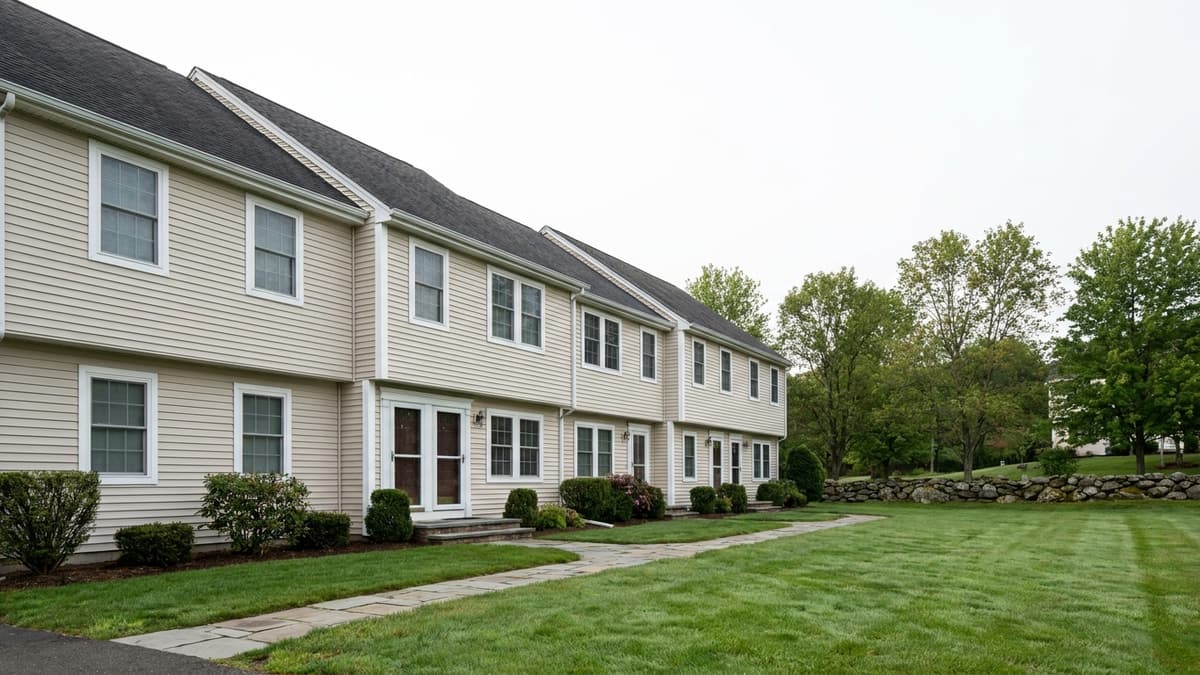
Middletown's residential mix runs from Victorian-era homes through 1950s to 1970s Colonials and Ranches, plus a significant condominium population. The older stock around the city center and the Wesleyan University area tends to have plank decking rather than plywood, original wood siding under one or two later layers, and framing that was never detailed for modern flashing.
Proximity to the Connecticut River means sustained humidity, and humidity is what turns a small, slow leak into soft sheathing instead of a stain that dries out between storms. On a Middletown siding project, the honest expectation is that something will be found when the old cladding comes off, and the estimate should price that work per unit in advance rather than leaving it open. Our Middletown roofing page covers the replacement process in more detail.
Pre-1980 homes also bring two regulated hazards into the conversation. Lead paint rules apply to disturbing painted surfaces, and older cement-board siding products can contain asbestos. Neither is a reason to avoid the work. Both are a reason to ask how the crew intends to handle it before demolition starts.
Glastonbury
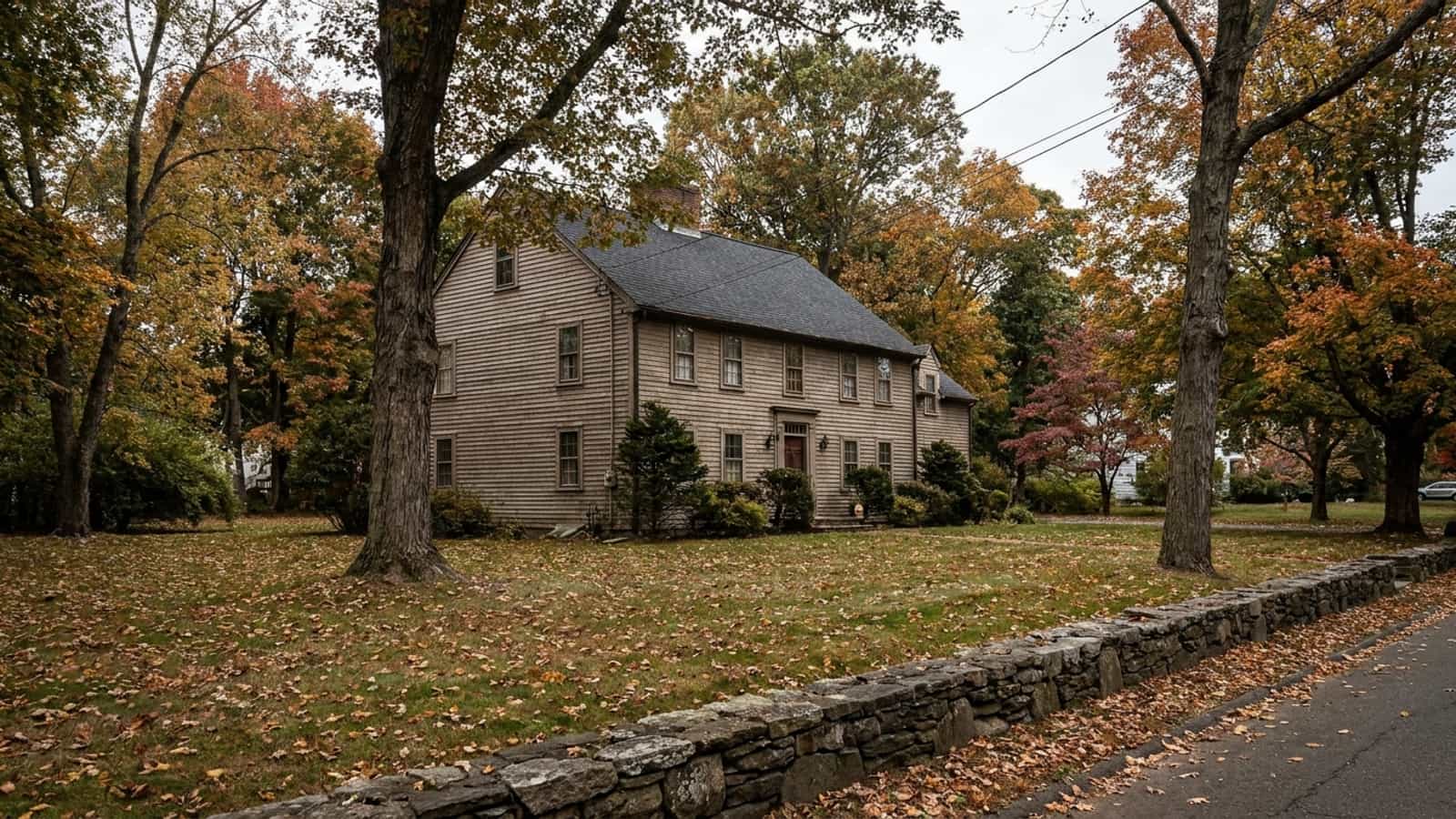
Glastonbury skews newer: 1960s through 1990s Colonials and Capes, plus more recent construction. That generally means plywood or OSB decking, house wrap already present on later homes, and simpler flashing details. It also means more homes inside HOA developments, and a historic district near the Town Green.
Mature tree coverage is the Glastonbury variable that shows up most often. Overhanging limbs hold moisture on the north slope, drop debris into valleys and gutters, and shorten the useful life of a roof that is otherwise fine. Shade also accelerates algae streaking, which is cosmetic rather than structural. The Glastonbury roofing page and the Glastonbury siding page go through the common scopes on these homes.
Permits and approvals in both towns
Roof replacement requires a building permit in every town we serve, Middletown and Glastonbury included. Only a contractor registered as a Home Improvement Contractor may pull that permit on a homeowner's behalf. The town issues it and inspects the work. Glastonbury's building department is at Town Hall on Main Street.
Siding is different. Most Connecticut towns do not require a permit for a straightforward like-for-like replacement. The threshold is scope: adding exterior insulation, replacing sheathing, altering openings or performing structural repair found after demolition generally pulls the job into permit territory. Window replacement follows the same logic, with no permit typically needed when the opening size does not change.
The historic district question in Glastonbury
Under Connecticut General Statutes Sec. 7-147f(a), ordinary maintenance and repair using similar materials inside a local historic district does not require a Certificate of Appropriateness. Replacing an asphalt roof with asphalt, or wood clapboard with wood clapboard, is not subject to review. Changing the material type, slate to asphalt or wood to vinyl, or changing the configuration, is.
This single distinction decides whether a project starts on schedule or waits for a commission meeting. Most roof replacements near the Town Green are like-for-like and need no historic review at all.
HOA rules are separate from town rules
A number of Glastonbury neighborhoods have an association with its own color and material standards. The association review runs on its own calendar and is not a substitute for a building permit, nor is the permit a substitute for it. If your development has architectural guidelines, request them before you choose a shingle color, not after the material is ordered.
What the work costs
These are general Connecticut ranges that depend heavily on the specific house, not quotes.
| Scope | General range |
|---|---|
| ScopeArchitectural asphalt roof, typical Glastonbury home | General range$12,000 to $28,000 |
| ScopeArchitectural asphalt roof, general Connecticut range | General range$10,000 to $30,000 |
| ScopeVinyl siding | General range$8,000 to $18,000 on a typical Glastonbury home, up to $35,000 statewide |
| ScopeJames Hardie fiber cement | General range$18,000 to $40,000 or more |
| ScopeCedar siding | General range$25,000 to $60,000 or more |
Wall area, trim complexity, roof pitch and the condition of what sits underneath move a project inside those ranges far more than the brand on the box does. A two-story Colonial with three dormers and a wraparound porch costs more to side than a Ranch with the same square footage, every time.
The case against the more expensive material
James Hardie fiber cement holds paint and dimension better than vinyl, carries a 30-year non-prorated warranty, and resists freeze-thaw well. It also costs roughly double. On a home you expect to sell within five or six years, or on a modest Cape where the siding is one of several things competing for a fixed budget, quality vinyl is a defensible choice that nobody should talk you out of. The longer your ownership horizon, the better the fiber cement math looks.
Questions worth asking any contractor here
- What design wind speed and ground snow load did you use, and does the fastening schedule match the shingle's wind rating?
- How many nails per shingle, and where in the nail zone?
- What is the per-sheet price for replacing bad decking, agreed before the tear-off starts?
- Does the siding scope include house wrap and flashing at openings, or only the cladding?
- Who pulls the roofing permit, and is the fee included in the price?
A quote that answers those five questions in writing is comparable to another quote that does the same. A one-line total is not comparable to anything.
Getting a price
We work throughout central Connecticut, and the full list of towns is on our service areas page. If you want numbers for your own house, request an appointment through our estimate page. Someone comes out, measures the roof or the walls, looks at the decking, flashing and trim, and gives you a written, itemized price you can compare against anyone else's.